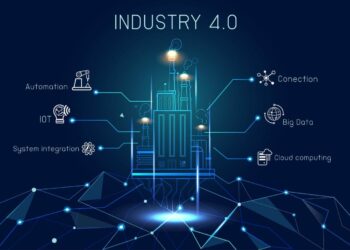
The rapid evolution of technology has transformed how we work, and one of the key catalysts for this revolution is the rollout of 5G connectivity. As remote work continues to grow globally, businesses and individual professionals alike are reaping the rewards of faster, more reliable internet connections. In this extensive analysis, we will explore the ways that 5G technology is propelling remote work forward by enhancing productivity, boosting collaboration, and enabling entirely new business models in the modern digital economy.
The Emergence of 5G in the Modern Era
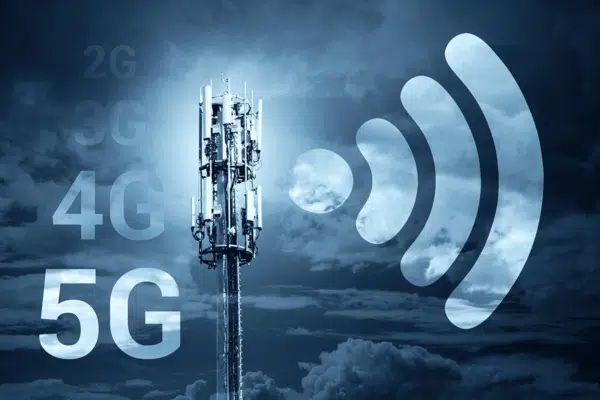
The deployment of 5G networks represents one of the most significant milestones in the telecommunications industry. Unlike its predecessors, 5G technology offers drastically increased speeds, reduced latency, and the ability to connect many more devices simultaneously. These improvements are not just technological; they are transforming how companies manage their workforce and operate on a global scale.
5G connectivity is paving the way for seamless video conferencing, augmented reality (AR) enhanced meetings, and cloud-based collaborations, making remote work a viable alternative to traditional office settings. As industries adapt to rapid changes, 5G has become the backbone of digital transformation strategies aimed at creating agile and decentralized work models.
The Revolution of Remote Work Through 5G
As we witness an ongoing shift towards remote work, several factors converge to highlight the transformative impact of 5G technology. This digital shift is not merely a temporary response to recent global disruptions; it represents a fundamental change in how organizations conduct their day-to-day operations. Companies no longer view remote work as an emergency measure but as a strategic decision that leverages modern connectivity to improve employee productivity and satisfaction.
Enhanced Connectivity and Speed
5G networks provide upload and download speeds far superior to older networks such as 4G LTE. These improvements facilitate a smoother online experience where remote workers can access high-bandwidth applications without interruption. Video conferencing has especially benefited—enabling crisp, high-definition visuals during meetings regardless of location. This leap in connectivity supports a seamless integration of collaborative software and real-time communication tools that are vital for maintaining strong team dynamics.
Reduced Latency and Real-time Collaboration
One of the most significant advantages of 5G is its low latency, which is crucial for applications that rely on real-time data exchange. For remote work, this reduced delay means that virtual meetings, collaborative document editing, and remote troubleshooting can happen almost instantaneously. The near-real-time responsiveness ensures that even the most data-intensive tasks are executed with minimal lag, making remote work environments more efficient and interactive.
Expanded Network Capacity
Remote work has led to a dramatic increase in the number of devices connected to home networks. With 5G, network congestion becomes less of a concern, as these networks can handle a greater volume of simultaneous connections without compromising performance. This increased capacity is essential for modern professionals who rely on multiple devices—smartphones, tablets, laptops, and smart home equipment—all of which benefit from a more robust and connected environment.
Boosting Innovation with Edge Computing
5G networks often work in tandem with edge computing, a paradigm where data processing takes place closer to the source of data generation. This arrangement reduces the load on central servers and decreases the time required to process information. For remote workers, edge computing ensures a faster response time for applications that depend on quick data retrieval, such as virtual desktops, remote simulations, and real-time analytics. The integration of 5G and edge computing is setting the stage for advanced digital workplaces that are both dynamic and highly responsive.
Benefits of 5G for Businesses and Employees
The implementation of 5G connectivity has far-reaching benefits for both employers and employees in remote work settings. These advantages extend beyond mere speed, redefining the parameters of work-life balance, corporate cost efficiency, and innovative leadership in technology-driven industries.
A. Increased Productivity and Efficiency
A. Faster data transfers mean that employees can work on multiple projects concurrently without experiencing lag or downtime.
B. The enhanced connectivity allows teams to use cloud-based platforms that support integrated project management tools and real-time communication.
C. The transition to 5G-enabled remote work reduces travel and commuting, allowing professionals to dedicate more time to project-focused tasks.
D. Automation and AI-assisted tools, often deployed via 5G networks, simplify repetitive tasks and free up valuable employee time for creative problem-solving.
B. Enhanced Work-Life Balance
A. Reduced commuting times lead to less stress and more opportunities for personal time, contributing to better mental health.
B. The flexible work model supported by 5G means employees can work from locations that best suit their lifestyle, be it from home, a co-working space, or while traveling.
C. With reliable connectivity, remote work becomes more feasible for parents, caregivers, and those with disabilities, creating an inclusive work environment.
D. Virtual collaborations and cloud-based office solutions enable employees to communicate and cooperate efficiently, regardless of geographical boundaries.
C. Accelerated Digital Transformation
A. Businesses can adopt cloud solutions at a faster pace, integrating all aspects of operation— from human resources to client relations—through connected platforms.
B. The integration of Internet of Things (IoT) devices into the workplace is made more reliable via 5G, paving the way for smart office environments that monitor everything from energy use to employee attendance.
C. Data-driven decision-making is enhanced by the ability to process and analyze vast amounts of data in real time, streamlining operations and strategic planning.
D. The rapid digital transformation also encourages investments in cybersecurity to protect sensitive data transmitted over these advanced networks.
D. Cost Savings and Operational Efficiency
A. With remote work becoming more viable, businesses can reduce overhead costs such as office space rent, utilities, and maintenance expenses.
B. Energy consumption drops when fewer employees are physically present in an office, aligning cost savings with more sustainable business practices.
C. 5G technology facilitates virtual training and remote onboarding, reducing the need for extensive in-person meetings and corporate training sessions.
D. Outsourcing and freelance collaborations become easier when high-speed connectivity is available, opening up a global pool of talent that can contribute to cost efficiency.
The Impact on Various Industries
While remote work benefits a wide range of sectors, certain industries experience more significant advancements thanks to 5G connectivity. This transformation is particularly visible in fields like healthcare, education, finance, and creative industries where rapid data transfer and real-time collaboration are key components.
Healthcare
5G technology is revolutionizing telemedicine by enabling high-definition virtual consultations and remote monitoring of patients. This improvement supports the development of remote diagnosis, and even remote surgical procedures via robotic instruments controlled in near-real time. As wearable devices and IoT sensors become more prevalent, the remote monitoring of patient health becomes more accurate, and doctors can now intervene more promptly when needed. The integration of 5G in healthcare not only improves the quality of care provided but also expands the reach of medical services to remote and underserved areas.
Education
Remote learning has grown tremendously over recent years, and 5G connectivity is making virtual classrooms more engaging and interactive. Higher bandwidth ensures that students can participate in live video lectures, access real-time feedback, and collaborate on virtual group projects. Educational institutions are increasingly using augmented reality (AR) and virtual reality (VR) to create immersive learning experiences. These advances require stable and fast internet connectivity provided by 5G, which makes interactive learning more accessible even in regions where traditional educational resources might be limited.
Finance
Financial institutions are leveraging 5G to enhance their digital services, from mobile banking applications to real-time trading platforms. Faster connectivity ensures that data can be transmitted securely and instantaneously, which is especially important in high-frequency trading and risk management. Remote work in the financial sector is streamlined by secure communications and instantaneous updates, ensuring that critical decisions are made with the most current information available. This transformation fosters a culture of agility and rapid response in an industry where every millisecond counts.
Creative Industries
5G is a game-changer for creative professionals, enabling the smooth streaming of high-definition video, advanced graphic design collaboration, and real-time feedback on multimedia projects. Creative industries such as film production, graphic design, and animation benefit from cloud-based rendering and collaboration platforms. These tools allow teams to work together in real time from different corners of the globe, enhancing creativity and reducing the time needed to bring projects to fruition. As the cost of high-speed connectivity decreases, small and independent creators gain access to the tools and platforms previously only available to large corporations.
The Role of Governments and Policy Makers
The success of 5G networks in bolstering remote work is not solely dependent on technological advancements; governmental policies and regulatory frameworks play a crucial role. Policy makers are tasked with ensuring that spectrum allocation is optimized, that infrastructure investments are made, and that cybersecurity regulations keep pace with the evolving digital landscape.
Many governments around the world are launching initiatives to bolster 5G deployment, recognizing that high-speed connectivity is a cornerstone of economic growth and digital inclusion. These initiatives are particularly important in bridging the digital divide between urban and rural areas, ensuring that remote work opportunities and technological benefits extend to all citizens.
Strategies for Successful 5G Deployment
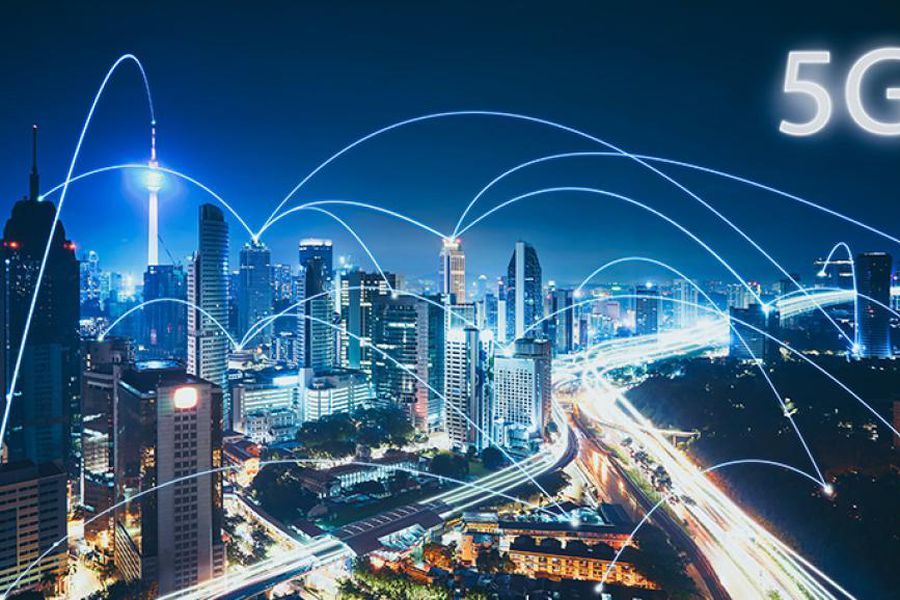
Governments and regulatory bodies are focused on several key strategies to ensure a smooth deployment of 5G technology:
A. Infrastructure Investment:
• Expansion of fiber networks and modernization of existing telecommunication infrastructure is essential.
• Public-private partnerships are helping to finance extensive network upgrades that benefit all sectors.
B. Spectrum Management:
• Effective allocation and management of frequency bands help minimize interference and maximize bandwidth utilization.
• Regulatory reforms are paving the way for more flexible use of spectrum resources.
C. Cybersecurity Initiatives:
• With the increased risk of cyber threats, robust cybersecurity frameworks are essential for protecting sensitive data.
• Governments are investing in research and development to stay ahead of potential threats in a high-speed digital world.
D. Digital Inclusion Programs:
• Ensuring that underserved communities have access to high-speed connectivity is a priority.
• Programs aimed at subsidizing internet costs and providing digital literacy training help bridge the digital divide.
Challenges and Considerations for 5G Implementation
While the benefits of 5G are immense, several challenges must be addressed to ensure a smooth transition. Both technical and social factors play roles in shaping how successfully 5G supports the future of remote work.
A. Infrastructure Costs
Establishing a nationwide 5G network requires substantial capital investment. The costs associated with installing new base stations, upgrading existing infrastructure, and integrating 5G with legacy networks can be significant. These investments are necessary to create an environment where high-speed connectivity is available to everyone, but they also pose a challenge, particularly for developing economies.
B. Security and Privacy Concerns
As more devices connect to the internet, the potential for cyber attacks increases. The rapid data transfer enabled by 5G means that sensitive corporate and personal information is at greater risk if cybersecurity measures are not rigorously maintained. Companies must invest in advanced security protocols and continuous monitoring to protect against breaches that could compromise confidential data. Furthermore, government regulation and industry collaboration play vital roles in establishing trust and security in the 5G ecosystem.
C. Digital Divide
While urban centers often benefit from rapid technological advancements, rural and underserved regions may experience delays in the rollout of 5G infrastructure. This digital divide can exacerbate existing socioeconomic disparities, limiting remote work opportunities for populations that are already disadvantaged by limited technological access. Bridging this gap requires coordinated efforts between governments, telecom companies, and local communities.
D. Compatibility with Legacy Systems
Transitioning to a 5G network means that companies and individuals must also contend with the integration of new technology with older systems. The compatibility challenges of combining legacy software and hardware with ultra-fast 5G connections can create temporary disruptions. However, as developers and engineers continuously update their products and systems, these compatibility issues are gradually being addressed, and the benefits of 5G become more pervasive.
Global Trends and Future Projections
The integration of 5G into everyday work life is a global phenomenon, and different regions are adapting at their own pace. While North America, Europe, and East Asia lead the way in infrastructure development, emerging economies are also making significant strides. As more countries invest in 5G technology, the overall global workplace is set to be transformed by improved connectivity and enhanced technological capabilities.
Current Global Statistics
Recent surveys and industry reports highlight the ongoing trend of digital transformation driven by 5G connectivity. Key statistics reveal that: A. Adoption Rates:
• A significant majority of businesses in major economies report improved performance and employee satisfaction following the adoption of 5G-enabled remote work technologies.
• Companies that invest in these technologies witness accelerated digital transformation.
B. Economic Impact:
• The global economic impact of 5G is projected to be in the trillions of dollars over the next decade, driven by efficiencies in remote work, innovations in consumer technology, and enhanced connectivity in critical industries.
• Several governments have identified high-speed connectivity as central to economic revival and long-term prosperity.
Future Outlook
As 5G technology continues to mature, its potential for expanding remote work capabilities will only increase: A. Integration with Emerging Technologies:
• The convergence of 5G with artificial intelligence (AI), machine learning, and blockchain will create new paradigms for secure and efficient remote work environments.
• These integrated solutions will offer personalized and adaptive workflows, enhancing both productivity and employee well-being.
B. Innovative Business Models:
• Companies can leverage 5G to explore business models that were previously impossible due to connectivity constraints.
• Remote work may evolve into decentralized, location-agnostic operations that prioritize results over physical presence.
C. Enhanced Collaboration and Creativity:
• Virtual offices will incorporate augmented reality and virtual reality applications that allow for a more immersive collaboration experience.
• Teams distributed globally can come together in simulated office spaces, fostering creative brainstorming sessions and dynamic project collaborations.
D. Continuous Learning and Development:
• With reliable high-speed connections, remote training modules and webinars become more effective, ensuring employees remain at the forefront of industry trends.
• This continuous professional development is critical for adapting to rapidly changing market dynamics.
How Companies Are Adopting 5G-Driven Remote Work
Numerous companies across various sectors are reimagining work environments by harnessing the power of 5G connectivity. Let’s look at some innovative strategies and approaches that forward-thinking organizations are implementing:
A. Hybrid Office Models
Large corporations are increasingly adopting hybrid work models that combine physical office space with remote working opportunities. These models benefit from 5G technology by ensuring that when employees do come together in a physical space, digital collaboration tools function seamlessly. A number of companies are investing in smart office solutions that integrate 5G-connected devices to streamline meeting management, resource allocation, and real-time data sharing.
B. Cloud-Based Infrastructure
Businesses that migrate their systems to cloud-based solutions experience significant improvements in collaboration and data management. With 5G, cloud solutions have become more accessible and responsive, allowing employees to access their work environments from any location at any time. Enhanced cloud infrastructure provides robust data backup, streamlined communication channels, and scalable solutions that support a growing remote workforce.
C. Remote Collaboration Tools
The burgeoning market for remote collaboration and communication tools owes much of its progress to 5G connectivity. Applications that offer high-definition video conferencing, instant messaging, and collaborative document editing have evolved to take advantage of the enhanced speeds and capacity of 5G networks. These tools are critical for team management, project tracking, and maintaining a sense of connection in distributed work environments.
D. Cybersecurity and Data Management Solutions
As connectivity increases, so does the importance of robust cybersecurity protocols. Forward-thinking organizations are implementing advanced threat detection systems and data encryption methods, all of which rely on the faster processing capabilities of 5G. Companies are collaborating with cybersecurity experts to develop comprehensive frameworks that ensure the safety of corporate information and personal data without compromising the speed and convenience of remote work.
Best Practices for Adapting to 5G-Enhanced Remote Work
Successfully navigating the transition to a 5G-enabled work environment requires thoughtful planning and adaptation. Here are some best practices that organizations should consider to maximize the benefits of this technological advancement:
A. Strategic Investment:
• Invest in upgrading existing hardware and software to be fully compatible with 5G networks.
• Prioritize upgrades that directly affect communication and collaboration platforms.
B. Employee Training:
• Conduct regular training sessions on the use of new remote work tools and cybersecurity practices.
• Develop and disseminate guidelines on best practices for remote work in a 5G environment.
C. Infrastructure Assessment:
• Evaluate current network and data handling capabilities to identify areas in need of improvement.
• Work with service providers to ensure that connectivity upgrades align with business objectives.
D. Cybersecurity Measures:
• Adopt a proactive stance on cybersecurity by implementing continuous monitoring and incident response strategies.
• Encourage employees to follow strong digital hygiene practices, such as using secure networks and regularly updating software.
E. Feedback Mechanisms:
• Establish open channels for remote employees to provide feedback on technological and operational challenges.
• Use this input to refine strategies and address issues promptly.
The Societal Impact of 5G and Remote Work
Beyond the corporate advantages, 5G connectivity is shaping broader societal and cultural shifts. Increased remote work opportunities contribute to a better balance between professional and personal lives, reduce urban congestion, and support a more sustainable model of living.
Urban and Rural Dynamics
The democratization of high-speed internet through 5G is poised to redefine traditional living patterns. As remote work becomes more widely accepted, professionals are less tethered to major urban centers, leading to a potential decline in urban congestion and an influx of talent into suburban and rural areas. This decentralization of work has significant implications: A. Housing Markets:
• Demand may increase in regions previously considered too remote, driving local economic growth and revitalization.
• Lower cost of living in these areas can contribute to improved standards of living.
B. Environmental Benefits:
• Reduced daily commuting leads to lower carbon emissions, contributing to environmental sustainability.
• Investment in remote work technologies can spur innovations in green energy and smart infrastructure development.
C. Economic Decentralization:
• Small towns and rural communities have greater access to global job markets, which can counterbalance regional economic disparities.
• Enhanced local economies may stimulate further investments in education and public services.
The Cultural Shift
The integration of 5G into everyday life is also cultivating a new cultural ethos focused on flexibility, innovation, and digital collaboration. The remote work model, underpinned by 5G, is not just a technological phenomenon but a lifestyle change: A. Increased Autonomy:
• Workers are empowered to tailor their work schedules and environments, leading to improved job satisfaction and personal fulfillment.
• This shift encourages a results-oriented culture rather than one strictly bound by conventional 9-to-5 hours.
B. Redefined Workplace Relationships:
• Digital platforms foster new types of professional relationships based on trust, collaboration, and shared accountability.
• Virtual team-building activities and online social events reinforce a sense of community among remote workers.
C. Continuous Learning:
• The fast-paced evolution of technology and remote work necessitates continuous professional development, encouraging lifelong learning and adaptability.
• Online education and remote training become critical tools in keeping the workforce up to date with current trends.
Pushing Beyond the Boundaries: Innovations on the Horizon
The promise of 5G is not static—it continually evolves as new applications and innovations are unveiled. Researchers and tech companies are actively exploring ways to expand the capabilities of 5G, further enhancing remote work and digital collaboration. Some of the upcoming trends include:
A. Integration with Artificial Intelligence and Machine Learning
The powerful combination of 5G connectivity and artificial intelligence (AI) is set to revolutionize workflow automation and decision-making processes. AI-driven analytics can harness data transmitted via 5G networks to optimize business operations, forecast trends, and drive personalized user experiences in real time. In remote work settings, these technologies can identify productivity bottlenecks, automate routine tasks, and enhance overall efficiency.
B. The Advent of Virtual and Augmented Reality
Virtual reality (VR) and augmented reality (AR) are on the cusp of transforming remote work by creating immersive digital environments where teams can collaborate as if they were in the same room. With 5G enabling faster and more stable connections, VR meetings, virtual workspaces, and augmented collaboration tools are becoming more feasible. These innovations allow remote teams to simulate physical offices, bringing a new dimension of interactivity to distance working.
C. Smart Offices and IoT Integration
As 5G networks drive the integration of the Internet of Things (IoT) into every facet of our lives, the concept of smart offices is rapidly evolving. Businesses are utilizing IoT sensors and devices to monitor energy usage, employee traffic, and even air quality. These insights facilitate better workplace management and contribute to cost savings and improved employee health. The future promises more integrated systems where remote work environments are supported by intelligent devices working seamlessly together.
D. Global Collaborative Platforms
With 5G connectivity breaking down geographical barriers, the future of work may well be defined by truly global teams. Collaborative platforms that connect professionals across continents are poised to become the norm. Such platforms integrate multiple tools—from project management and communication to data analytics and virtual reality—providing a unified work ecosystem accessible from virtually anywhere on the planet.
Conclusion
The advent of 5G connectivity is more than just an upgrade in internet speed—it is a transformative force that is reshaping the landscape of remote work. By significantly enhancing network capacity, lowering latency, and offering robust, real-time data transfer, 5G paves the way for innovations that improve productivity, foster economic decentralization, and contribute to a better overall quality of life. Businesses leveraging these technologies are not only enhancing operational efficiency and cost-effectiveness but also paving the way for a more flexible, globally connected workforce. The integration of 5G with emerging technologies such as AI, VR/AR, and IoT continues to propel remote work into a new era of innovation and sustainability.
While challenges such as infrastructure costs, cybersecurity, and digital inequalities remain, coordinated efforts from governments, companies, and communities ensure that these obstacles are manageable. As 5G networks become more ubiquitous, the future of remote work looks poised to offer not just faster and more reliable connectivity, but also a transformative change in how we perceive the boundaries of work and lifestyle.
The journey towards a fully integrated, high-speed digital work environment is ongoing, and as new innovations are introduced, the landscape will continue to evolve. For businesses and individuals alike, embracing this change and staying ahead of technological trends will be key to thriving in the modern digital age.