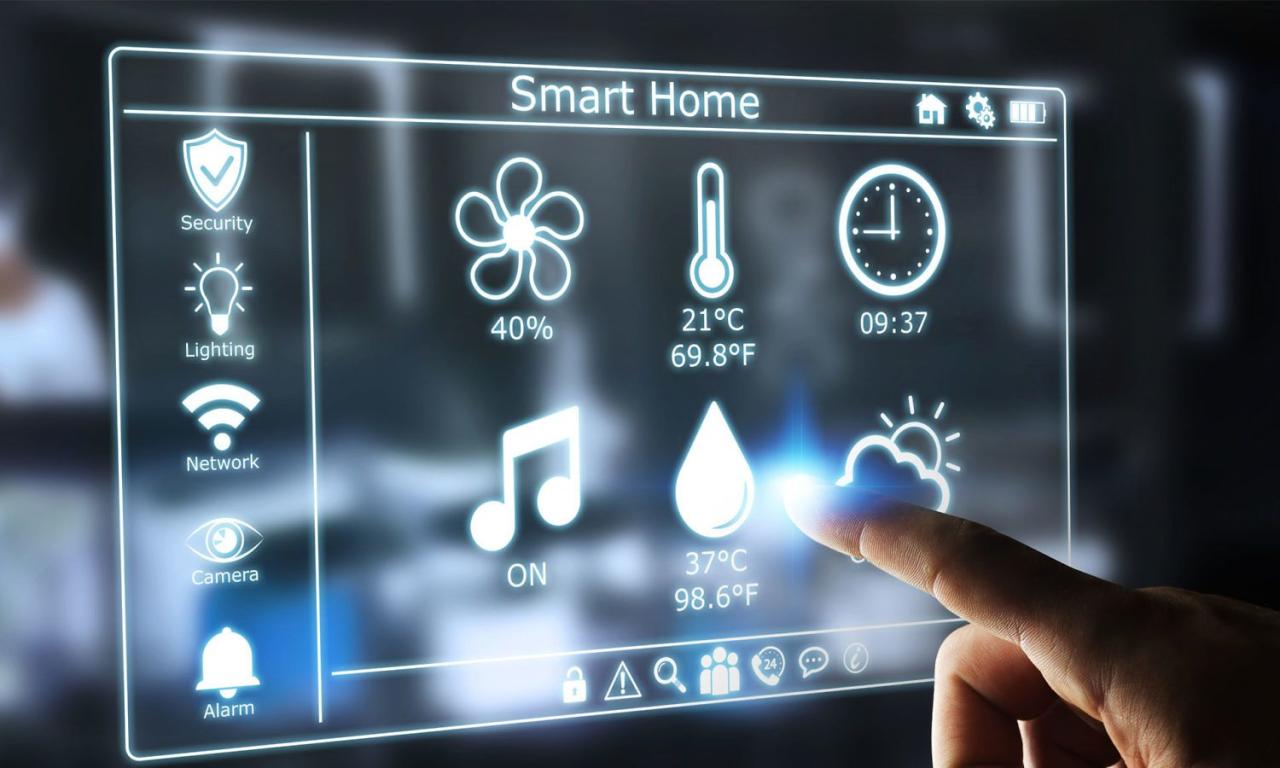
In today’s fast-evolving digital landscape, smart home technology is no longer a luxury—it is becoming a standard of modern living. The integration of automation, connectivity, and intelligent systems in our homes is transforming how we interact with our environment, manage our energy usage, and ensure security. As this innovation continues to grow, it plays a pivotal role in redefining comfort, efficiency, and convenience.
From voice-activated assistants to AI-powered thermostats and smart surveillance systems, smart homes are reshaping lifestyles around the world. Whether it’s adjusting lighting with a single voice command or monitoring your front door from miles away, smart home technology offers practical benefits that appeal to homeowners, renters, and real estate investors alike.
What Is a Smart Home?
A smart home refers to a residence that uses internet-connected devices to enable the remote management and automation of appliances and systems. These include lighting, heating, air conditioning, entertainment systems, security alarms, and more. With the help of artificial intelligence (AI), machine learning (ML), and Internet of Things (IoT) technologies, these homes can adapt to users’ preferences and create personalized experiences.
Core Features of a Smart Home
Modern smart homes are powered by interconnected systems that communicate through a central hub or cloud-based platform. Key features include:
A. Home Automation
Automation is the backbone of smart home technology. It allows devices to perform tasks automatically based on user-defined settings or sensor inputs. Examples include:
-
Thermostats that adjust temperature based on occupancy.
-
Lights that switch off when no motion is detected.
-
Curtains that open automatically at sunrise.
B. Voice Control and Virtual Assistants
Virtual assistants like Amazon Alexa, Google Assistant, and Apple’s Siri have revolutionized how we interact with smart homes. Through voice commands, users can control lights, appliances, music, and more, creating a hands-free and convenient experience.
C. Energy Management
Smart thermostats, lighting systems, and appliances help optimize energy usage. Devices such as Nest or Ecobee learn user behavior and adjust settings to minimize power consumption, which not only reduces utility bills but also supports environmental sustainability.
D. Enhanced Security
Smart security systems offer real-time monitoring, motion detection, and remote alerts. Popular devices include:
-
Smart locks with facial or fingerprint recognition.
-
Video doorbells like Ring or Arlo.
-
Indoor and outdoor security cameras with cloud storage.
E. Remote Access
The ability to control and monitor home systems from a smartphone or tablet provides peace of mind and convenience. Whether adjusting the thermostat before arriving home or checking security footage during a vacation, remote access is a game-changer.
Advantages of Smart Home Technology
Implementing smart technology in homes brings a wide range of benefits that go beyond simple convenience. Here are the major advantages:
A. Increased Energy Efficiency
Smart homes allow users to conserve energy through automation and intelligent controls. Smart meters and appliances can be scheduled to operate during off-peak hours, reducing electricity costs and load on the grid.
B. Enhanced Comfort and Convenience
With systems adapting to your daily routine, your home becomes a personal assistant. From setting the mood with automated lighting to preheating the oven via smartphone, the comfort level is unparalleled.
C. Improved Home Security
The integration of real-time alerts, smart locks, surveillance cameras, and door/window sensors ensures that your home is always protected—even when you’re away.
D. Cost Savings Over Time
While smart devices may require an upfront investment, they often lead to long-term savings through reduced energy bills, insurance discounts, and increased home value.
E. Accessibility for Elderly and Disabled
Smart homes provide tremendous benefits for the elderly and people with disabilities. Features such as voice control, automated lighting, and fall-detection systems help support independent living and increase safety.
Popular Smart Home Devices in 2025
Smart home gadgets have rapidly advanced in recent years. Here are some of the most popular and recommended devices in 2025:
A. Smart Thermostats
Products like Google Nest and Ecobee SmartThermostat use sensors and AI to learn your habits and adjust temperatures accordingly.
B. Smart Speakers and Displays
Amazon Echo, Google Nest Hub, and Apple HomePod serve as control centers for other smart devices, supporting voice commands and visual feedback.
C. Smart Lighting Systems
Philips Hue, LIFX, and TP-Link Kasa offer dimmable, color-changing bulbs that can be programmed for different moods or schedules.
D. Smart Security Cameras
Brands like Arlo, Ring, and Eufy offer indoor/outdoor cameras with features such as motion detection, cloud storage, and facial recognition.
E. Smart Locks
August Smart Lock, Yale Assure Lock, and Schlage Encode provide keyless entry and integration with smart assistants.
F. Smart Plugs and Power Strips
These devices, from brands like Kasa or Meross, allow users to control regular appliances through mobile apps or voice commands.
How Smart Homes Contribute to Sustainable Living
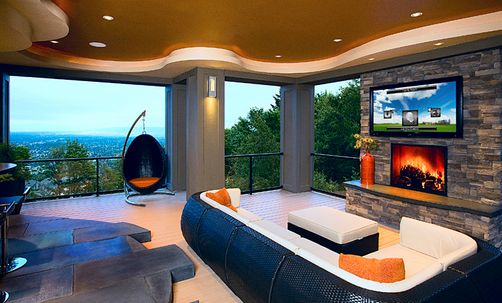
Smart home technology is not just about convenience—it also plays a crucial role in sustainability and reducing our carbon footprint. Here’s how:
A. Reduced Energy Waste
By learning user behavior and optimizing device operation, smart homes eliminate unnecessary power usage.
B. Water Conservation
Smart irrigation systems like Rachio adapt watering schedules based on weather conditions, saving thousands of gallons of water annually.
C. Integration with Renewable Energy
Smart homes can integrate with solar panels and battery systems, enabling homeowners to store and manage their own energy supply more efficiently.
D. Lower Emissions
By optimizing heating, cooling, and transportation (via electric vehicle charging), smart homes reduce greenhouse gas emissions significantly.
Challenges of Adopting Smart Home Technology
Despite the many advantages, smart home adoption still faces several challenges:
A. High Initial Costs
Smart devices can be expensive upfront. However, costs are decreasing as technology advances and competition grows.
B. Data Privacy and Security
The connected nature of smart homes makes them vulnerable to cyber threats. Ensuring device encryption, secure passwords, and regular updates is crucial.
C. Compatibility Issues
Not all smart devices are compatible with every system or assistant. Homeowners may face difficulties when integrating products from different brands.
D. Internet Dependence
Smart homes rely heavily on stable internet connections. A network failure can limit the functionality of devices or systems.
Future Trends in Smart Home Technology
The future of smart homes looks promising with several trends reshaping the landscape:
A. Artificial Intelligence Integration
AI will continue to improve the responsiveness and learning capabilities of smart systems, providing even more personalized experiences.
B. 5G and Edge Computing
With faster internet and localized data processing, devices will respond quicker and with greater efficiency, reducing latency and cloud dependence.
C. Health Monitoring
Smart homes are increasingly equipped with health-monitoring features, such as sleep trackers, air quality sensors, and even stress detection systems.
D. Interoperability Standards
Projects like Matter (formerly CHIP) aim to create a universal standard so that devices from different brands can work seamlessly together.
E. Robotics Integration
Home robots, such as robot vacuum cleaners and AI-driven assistants, are becoming common. Future homes may feature more advanced robotic helpers for cleaning, cooking, and even caregiving.
Smart Homes and Real Estate Value
As smart home features become increasingly desirable, they are impacting the real estate industry. Homes equipped with smart technology are seen as more attractive and modern, often selling faster and at higher prices.
A. Increased Property Value
Buyers are willing to pay more for homes with smart security, climate control, and energy management systems.
B. Competitive Advantage
Smart homes stand out in competitive markets, giving sellers a distinct advantage.
C. Higher Rental Appeal
For landlords and property managers, offering smart amenities attracts tech-savvy tenants and allows for easier property management.
Steps to Get Started with a Smart Home
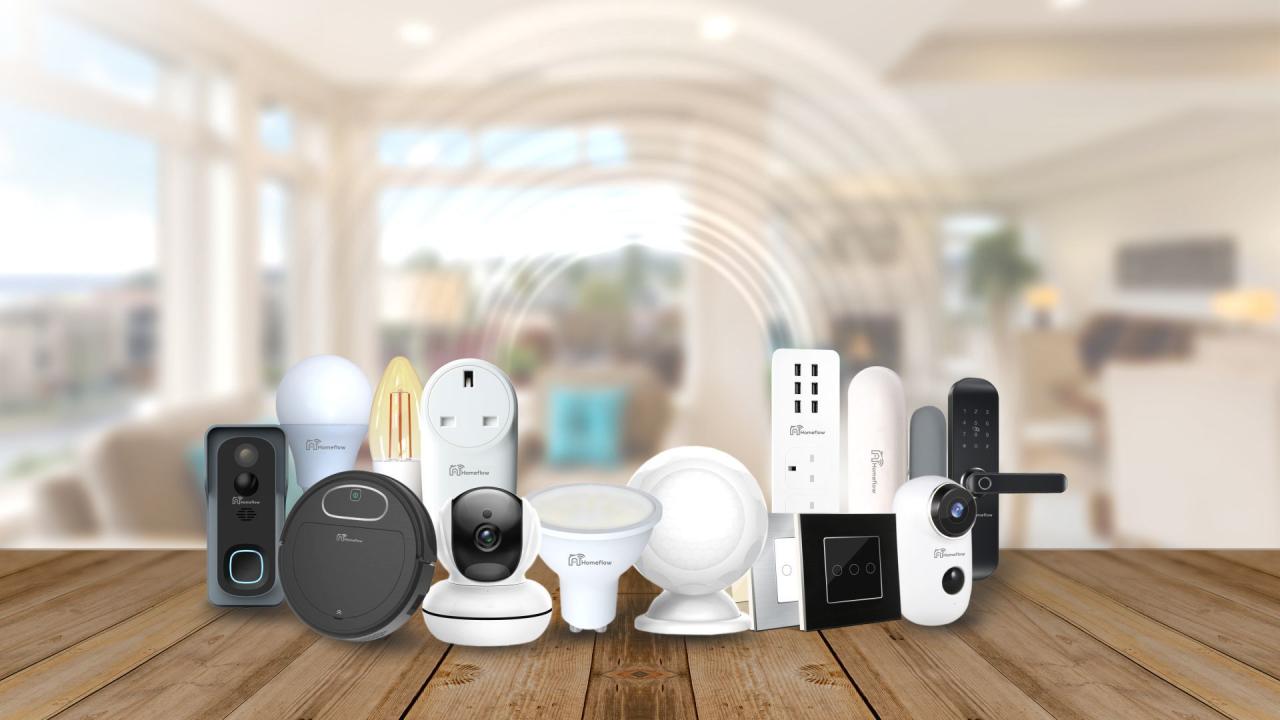
If you’re considering upgrading to a smart home, follow these steps to begin your journey:
A. Identify Your Needs
Decide which areas you’d like to automate—security, lighting, entertainment, or energy management.
B. Choose a Smart Ecosystem
Select a platform (Amazon Alexa, Google Home, or Apple HomeKit) that best suits your lifestyle and existing devices.
C. Start Small
Begin with a few key devices such as a smart speaker and thermostat. Expand over time based on your needs and budget.
D. Ensure Secure Setup
Use strong passwords, enable two-factor authentication, and keep firmware updated to prevent unauthorized access.
E. Monitor and Optimize
Use app dashboards and reports to track energy usage, security alerts, and automation schedules. Adjust settings to optimize performance.
Conclusion
Smart homes are transforming modern living by providing convenience, security, and sustainability. As technology advances, smart systems are becoming more accessible, affordable, and integrated into everyday life. Whether you’re seeking to reduce your energy consumption, improve home security, or simply enjoy the benefits of automation, investing in smart home technology is a step toward a more efficient and enjoyable lifestyle.
By understanding the key features, benefits, and potential challenges, homeowners can make informed decisions that align with their personal and environmental goals. The smart home revolution is here, and it’s redefining how we live, one device at a time.