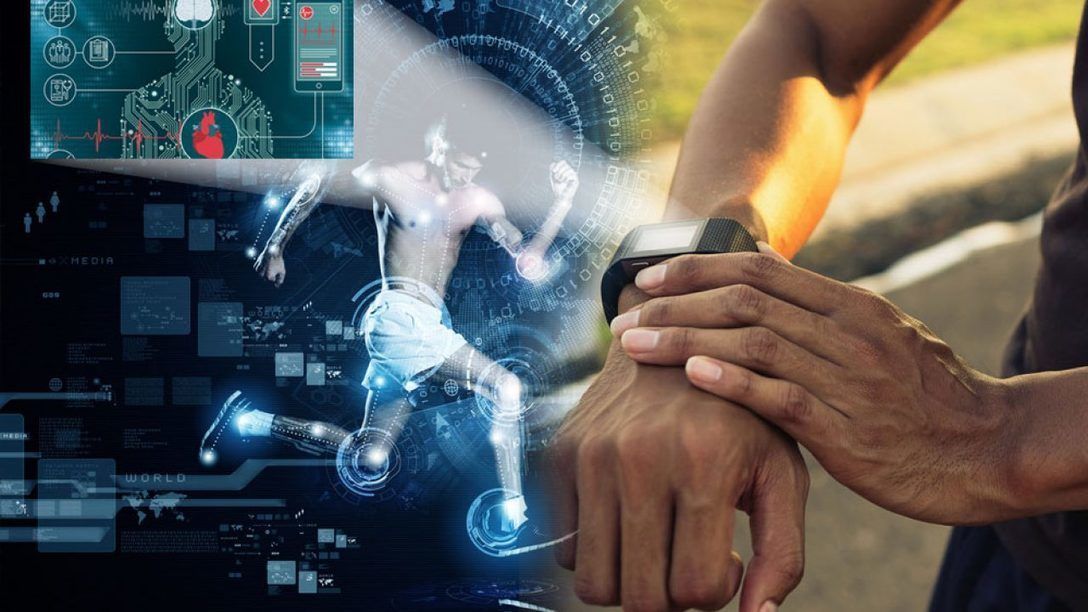
In today’s rapidly evolving digital world, wearable technology is revolutionizing how individuals monitor and manage their personal health. These innovative devices, ranging from smartwatches and fitness trackers to advanced biosensors, are not only transforming personal wellbeing but are also reshaping the entire health and wellness industry. This article delves into the evolution, benefits, challenges, and future prospects of wearable technology in enhancing personal health, while also examining recent trends, scientific breakthroughs, and expert insights into the integration of digital health solutions into daily life.
The Evolution of Wearable Technology
Wearable technology has come a long way from its early iterations, which were typically limited to basic step counters and heart rate monitors. Modern wearable devices are embedded with sophisticated sensors and connectivity solutions, allowing for continuous monitoring of various health parameters. These devices now provide insights into heart rate variability, sleep quality, blood oxygen levels, and even stress and mood detection. The convergence of miniaturized electronics, cloud computing, and artificial intelligence has enabled these devices to deliver real-time analytics, thus supporting users in making informed decisions about their health.
A. Historical Development: The origin of wearable tech can be traced back to the 1960s and 1970s, when rudimentary digital watches and calculator watches began to emerge. Over the decades, the exponential growth in technology led to the birth of fitness trackers in the early 2000s, and later, the smartwatches we see today.
B. Technological Milestones: Key developments such as Bluetooth connectivity, advanced sensor technology, and machine learning algorithms have significantly broadened the functionalities of wearable devices.
C. Market Expansion: The proliferation of wearable tech is driven by increasing consumer demand for health self-management tools, as well as the integration of these devices into corporate wellness programs and healthcare systems worldwide.
Key Benefits of Wearable Technology on Personal Health
Wearable devices are more than just tools for tracking physical activity; they are comprehensive health aides that offer numerous advantages across various facets of personal health management. They empower users by providing actionable insights and facilitating proactive health interventions.
Real-Time Health Monitoring
Wearable devices can continuously track vital signs and physiological parameters, enabling early detection of anomalies. For instance, monitoring heart rate, blood pressure, and oxygen saturation provides users with valuable data that might indicate underlying health issues before they become critical. Real-time monitoring also allows physicians to remotely manage chronic conditions, thereby reducing the need for frequent in-person consultations.
A. Continuous Monitoring: Devices such as smartwatches and fitness bands can record data 24/7, ensuring that even subtle changes in health indicators are captured.
B. Personalized Alerts: Many wearables offer personalized notifications that alert users to unusual patterns, such as irregular heartbeats or prolonged periods of inactivity.
C. Remote Management: This technology supports telemedicine by allowing healthcare providers to access patients’ health data remotely, which is particularly beneficial for managing chronic diseases like diabetes and hypertension.
Promotion of Active Lifestyles
By incorporating health metrics into daily routines, wearable technology encourages individuals to adopt and maintain active lifestyles. The gamification of health, where users set goals and earn rewards for their physical activity, motivates people to engage in regular exercise and make healthier lifestyle choices.
A. Goal Setting: Users can establish daily, weekly, or monthly goals for steps taken, calories burned, or active minutes.
B. Performance Feedback: Instant feedback on physical activity encourages continual improvement and helps users track their progress.
C. Social Engagement: Many wearable devices offer social sharing features, enabling users to connect with friends and family, participate in challenges, and foster a community dedicated to fitness and wellness.
Enhancement of Sleep Quality
Proper sleep is integral to overall well-being, and wearables are increasingly being used to monitor and improve sleep patterns. Devices equipped with accelerometers and heart rate sensors can analyze sleep stages, identify disturbances, and provide recommendations for better sleep hygiene.
A. Sleep Analysis: Wearables differentiate between light, deep, and REM sleep stages, offering detailed insights into sleep patterns.
B. Sleep Improvement Tips: Through data analysis, these devices suggest modifications to sleeping habits that can lead to improved overall rest.
C. Correlation with Daily Activity: Insights from sleep monitoring help users understand how their daily activities affect sleep quality, thereby encouraging healthier routines.
Mental Health and Stress Management
In addition to physical health, wearable technology is beginning to address mental well-being. Advances in sensor technology have made it possible to monitor stress levels by measuring physiological responses such as heart rate variability. Furthermore, some devices now integrate with mindfulness and meditation apps to provide guided stress relief sessions.
A. Monitoring Stress Indicators: Wearable devices can detect signs of stress by analyzing changes in heart rate and skin conductivity.
B. Mindfulness Integration: The inclusion of meditation and breathing exercises helps in reducing anxiety and fostering mental clarity.
C. Behavioral Insights: Continuous tracking of mental health parameters allows users to correlate their emotional states with behavioral patterns, aiding in better stress management over time.
Data-Driven Personalized Health Interventions
One of the most significant advantages of wearable technology is the ability to provide personalized insights based on a user’s unique health data. By leveraging big data analytics and machine learning, these devices can offer tailor-made recommendations, from nutrition tips to exercise plans that suit individual needs and preferences.
A. Customized Feedback: Personalized health insights are generated by analyzing patterns over time, ensuring that recommendations are specific and actionable.
B. Preventive Healthcare: Early detection of aberrant patterns can prompt timely interventions, potentially preventing serious health issues.
C. Integration with Health Platforms: Many wearables are now part of broader health ecosystems, allowing for seamless integration with electronic health records (EHRs) and other medical data repositories.
The Impact of Wearable Tech on the Healthcare Industry
The ripple effects of wearable technology are not confined to individual users; they are also transforming the healthcare industry at large. By bridging the gap between patients and providers, wearables are fostering a more collaborative and responsive healthcare environment.
Shifts in Healthcare Delivery
Traditional models of healthcare are being upended by the advent of wearable technology. The shift from reactive to proactive care is largely driven by the continuous monitoring of health metrics, which allows for the early detection of diseases and more effective management of chronic conditions.
A. Preventive Medicine: Wearables promote preventive care by identifying potential health risks before symptoms emerge, thereby reducing the incidence of acute health crises.
B. Remote Patient Monitoring: Doctors can remotely access patient data, enabling continuous care without the need for frequent in-person visits.
C. Improved Patient Outcomes: Timely interventions, guided by real-time data, can lead to better health outcomes and reduced hospital readmission rates.
Empowerment Through Data Ownership
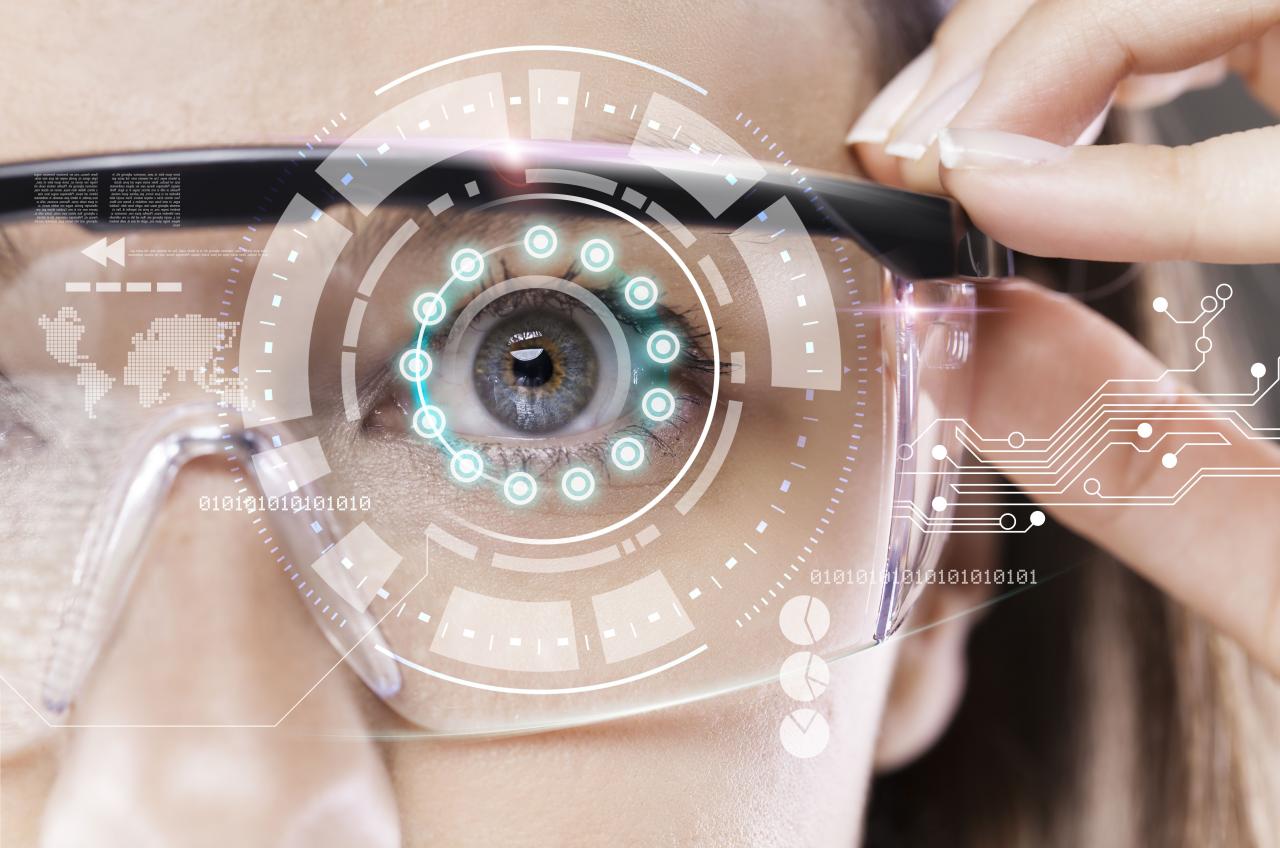
Another transformative aspect of wearable technology is the shift in power dynamics between patients and healthcare providers. Users now have unprecedented access to their own health data, empowering them to take charge of their healthcare decisions. This democratization of information paves the way for a more informed and engaged patient population.
A. Patient Autonomy: With access to detailed health metrics, individuals can monitor their progress and make informed decisions about their lifestyle and treatment options.
B. Collaborative Care: Sharing data with healthcare providers creates a more collaborative environment where treatment plans are tailored to individual needs.
C. Transparency and Accountability: The continuous flow of health data fosters greater transparency, ensuring that both patients and practitioners are accountable for the health management process.
Emerging Trends in Wearable Technology
As the wearable tech market continues to mature, new trends and innovations are emerging that promise to further revolutionize personal health management. Current trends indicate that the future holds exciting possibilities for more integrated, accurate, and versatile wearable devices.
Enhanced Sensor Technology
The future of wearable tech lies in the development of next-generation sensors that can measure an even broader array of health indicators with greater precision. Researchers are exploring sensors capable of monitoring blood glucose levels, stress hormones, and even biochemical markers in sweat, which could provide deeper insights into an individual’s health status.
A. Multifunctional Sensors: Future devices are expected to incorporate sensors that provide comprehensive health analyses, enabling the monitoring of multiple parameters simultaneously.
B. Non-Invasive Monitoring: Innovations are steering towards non-invasive methods for continuous monitoring, reducing the discomfort associated with traditional medical tests.
C. Increased Accuracy: As sensor technology advances, the reliability and accuracy of wearable devices will improve, offering users data that closely mirrors clinical-grade measurements.
Integration of Artificial Intelligence and Machine Learning
Artificial intelligence (AI) and machine learning (ML) are playing pivotal roles in the evolution of wearable technology. By analyzing vast amounts of user data, these systems are capable of identifying patterns and predicting health trends, thus facilitating early interventions and personalized healthcare.
A. Predictive Analytics: AI algorithms can forecast potential health issues by detecting subtle anomalies in user data.
B. Customized Recommendations: Machine learning models tailor health and wellness advice based on individual behavioral patterns and historical data.
C. Automated Health Management: The integration of AI allows for automated tracking and reporting, reducing the burden of self-monitoring while maintaining high accuracy.
Expanding Applications Beyond Fitness
While wearables initially gained popularity through their association with fitness and activity tracking, their applications are now branching out into other critical areas of healthcare. From monitoring elderly patients to tracking recovery progress after surgery, wearable technology is proving its versatility across a wide range of medical applications.
A. Elderly Care: Wearables are increasingly used to monitor seniors, providing real-time alerts in cases of falls or sudden health deteriorations.
B. Post-Surgery Recovery: Devices can track the recovery progress of patients, ensuring that any complications are promptly addressed.
C. Chronic Disease Management: Individuals with chronic conditions such as asthma, arthritis, or cardiovascular diseases benefit from continuous monitoring and personalized management plans enabled by wearable tech.
Integration with Internet of Medical Things (IoMT)
The convergence of wearable technology with the Internet of Medical Things (IoMT) is opening up new avenues for seamless healthcare delivery. The IoMT ecosystem connects wearable devices with other medical instruments and data management platforms, creating a holistic view of a patient’s health and streamlining the diagnostic process.
A. Interconnected Ecosystems: The integration with IoMT means that wearable tech can now interact seamlessly with hospital databases, EHR systems, and diagnostic tools.
B. Real-Time Data Sharing: This connectivity facilitates real-time sharing of vital health metrics between patients and providers, ensuring timely interventions.
C. Remote Diagnostics: Enhanced data flow allows healthcare providers to perform remote diagnostics, particularly beneficial in rural or underserved areas where access to healthcare facilities may be limited.
Challenges and Considerations
Despite the many benefits that wearable technology offers, there are several challenges and considerations that both users and manufacturers must address to ensure that these devices reach their full potential.
Privacy and Security Concerns
One of the primary concerns associated with wearable tech is the security of personal health data. As these devices continuously collect sensitive information, ensuring data privacy is paramount. Manufacturers and healthcare providers must work together to develop robust security protocols that protect user data from unauthorized access or breaches.
A. Data Encryption: Implementing advanced encryption techniques is essential to safeguard personal health information during transmission and storage.
B. User Consent: It is crucial to obtain explicit consent from users regarding data collection and sharing, in compliance with international data protection regulations.
C. Transparency: Companies must maintain transparency about how data is collected, processed, and utilized, ensuring that users are fully aware of privacy policies.
Accuracy and Reliability
The accuracy of data collected by wearable devices remains a critical issue, particularly when the information is used for clinical decision-making. While many devices offer impressive accuracy, variability in sensor performance and user adherence can affect data reliability. Ongoing research and development are essential to improve the precision of these devices.
A. Calibration Standards: Establishing industry-wide calibration standards can ensure consistent performance across different devices and manufacturers.
B. Clinical Validation: Collaborations between device manufacturers and medical institutions are key to validating the clinical efficacy of wearable tech.
C. User Education: Educating users on the correct usage of these devices can minimize errors and optimize data accuracy.
Integration with Healthcare Systems
While wearable technology holds immense promise, integrating these devices into existing healthcare systems poses a significant challenge. Healthcare providers must adapt to new workflows and data management practices to fully leverage the potential of continuous health monitoring.
A. Interoperability: Developing systems that facilitate seamless integration between wearable devices and healthcare records is essential to create a unified health management system.
B. Training and Support: Healthcare professionals must receive proper training on how to interpret and utilize data from wearables in their everyday practices.
C. Cost Considerations: Both patients and healthcare systems need affordable solutions that do not compromise quality while ensuring broad access to advanced health monitoring technologies.
The Future Landscape of Wearable Health Technology
Looking ahead, the future of wearable health technology appears promising, with several emerging trends that are set to further transform personal health and wellness. As innovation continues at a rapid pace, wearable devices are poised to become more personalized, predictive, and integrated than ever before.
Personalized Healthcare Ecosystems
One exciting prospect is the development of highly personalized healthcare ecosystems, where wearable devices work in conjunction with genetic testing, personalized nutrition plans, and bespoke exercise regimens. This comprehensive approach ensures that every individual receives health advice and interventions that are tailored to their unique biological makeup.
A. Holistic Health Profiles: Combining wearable data with other health metrics, such as genetic information and lifestyle choices, can create a detailed health profile that informs personalized care.
B. Dynamic Adjustments: Personalized ecosystems will enable real-time adjustments to health plans based on continuous data monitoring, ensuring that interventions remain effective over time.
C. Long-Term Health Predictions: Predictive analytics can offer long-term health forecasts, enabling early interventions that prevent chronic diseases and other health complications.
Advances in Smart Textiles and Flexible Electronics
The next generation of wearable technology may extend beyond rigid devices to include smart textiles and flexible electronics. These innovations aim to integrate health monitoring seamlessly into everyday clothing and accessories, reducing the barriers to continuous monitoring.
A. Smart Clothing: Garments embedded with sensors can monitor vital signs without the need for additional gadgets, blending technology with everyday fashion.
B. Comfort and Convenience: Flexible electronics are designed to be comfortable and unobtrusive, ensuring that health monitoring does not interfere with daily activities.
C. Wider Adoption: The integration of wearable technology into everyday apparel is expected to drive widespread adoption, as users appreciate the convenience of passive health monitoring.
Collaborative Efforts and Regulatory Developments
For wearable technology to reach its full potential, collaboration between device manufacturers, healthcare providers, researchers, and regulatory bodies is critical. Efforts to develop standardized protocols and secure data-sharing frameworks will pave the way for broader acceptance and utilization of wearable devices in clinical settings.
A. Standardization Initiatives: Industry-wide standards for data collection, interoperability, and security will help ensure that wearable devices deliver consistent and reliable results.
B. Regulatory Oversight: As wearable technology becomes more integrated into healthcare, regulatory bodies must establish clear guidelines that balance innovation with patient safety and data privacy.
C. Cross-Sector Collaborations: Partnerships between technology companies and healthcare institutions can accelerate the adoption of cutting-edge wearable solutions that align with current medical practices.
Case Studies: Real-World Applications
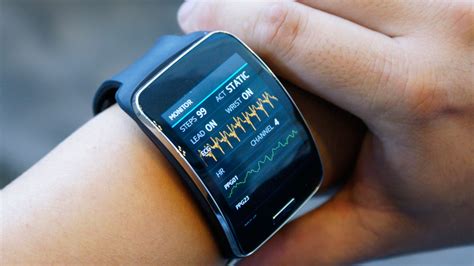
Examining real-world implementations of wearable technology can offer valuable insights into its practical benefits. Several case studies highlight how these devices are making a tangible difference in various sectors of healthcare and everyday life.
Managing Chronic Conditions
Patients with chronic conditions have seen significant improvements in health outcomes due to the continuous monitoring capabilities of wearable devices. For example, individuals with cardiac conditions can benefit from devices that monitor heart rhythm and alert both the user and healthcare providers to any irregularities, leading to timely interventions.
A. Cardiac Monitoring: Wearables equipped with ECG functionalities allow for real-time tracking of heart activity, facilitating early detection of arrhythmias.
B. Diabetes Management: Continuous glucose monitors paired with wearable tech can help diabetics maintain optimal blood sugar levels, thereby reducing complications.
C. Respiratory Care: Patients with respiratory ailments utilize wearables that track oxygen saturation levels, ensuring that any deviations from normal patterns are promptly addressed.
Enhancing Athletic Performance
Professional athletes and fitness enthusiasts alike are leveraging wearable technology to optimize their training regimens. By analyzing detailed metrics such as heart rate, recovery time, and performance trends, athletes can fine-tune their workouts and prevent overtraining.
A. Performance Metrics: Data-driven insights from wearables enable athletes to monitor performance and adjust their training intensity accordingly.
B. Recovery Monitoring: By tracking recovery rates and sleep quality, these devices ensure that athletes receive adequate rest and support to avoid injuries.
C. Sports Science Integration: Collaboration with sports scientists and health experts transforms raw data into actionable training advice, leading to sustained improvements in athletic performance.
Workplace Health and Productivity
The modern workplace has also witnessed a surge in the adoption of wearable devices as companies strive to promote employee wellness and productivity. By incorporating wearable tech into corporate wellness programs, organizations can track physical activity levels, reduce stress, and encourage healthier lifestyles among their employees.
A. Wellness Challenges: Many companies have introduced wellness challenges that utilize wearable data to foster friendly competition and promote physical activity.
B. Stress and Health Assessments: Wearable devices help employers monitor stress levels, thereby enabling the implementation of targeted interventions to improve employee well-being.
C. Increased Productivity: Healthier employees often translate into increased productivity, as well as reduced absenteeism, ultimately benefiting both individuals and the organization.
Overcoming Limitations and Future Opportunities
While the advantages of wearable technology are undeniable, it is crucial to acknowledge and address the limitations that currently exist. As research and development continue, the following areas present opportunities for further improvement and innovation in wearable health technology.
Battery Life and Device Durability
One of the key challenges in wearable tech is the limited battery life of many devices, which can hinder continuous monitoring. Researchers are exploring new energy harvesting techniques, such as kinetic or solar energy, to extend the operational time of these devices. Enhancing device durability—both in terms of hardware longevity and resistance to environmental factors—remains a priority for manufacturers.
A. Energy Efficiency: Advances in battery technology and energy management systems are essential to maximize the continuous use of wearable devices without frequent recharging.
B. Robust Design: Creating durable devices that can withstand daily wear and tear, as well as exposure to various environmental conditions, is critical for long-term usability.
C. User Convenience: Improvements in both battery life and durability directly translate into higher user satisfaction and broader adoption rates.
Data Accuracy and Standardization Challenges
Ensuring the accuracy of wearable devices is an ongoing challenge. Variabilities in sensor quality, user behavior, and environmental factors can sometimes lead to inconsistent data. Future innovations must address these challenges by developing universal calibration standards and refining algorithms to accurately interpret diverse data inputs.
A. Algorithm Enhancement: Continuous improvements in data processing algorithms will help in filtering out noise and providing more precise health insights.
B. Global Standards: The establishment of global standards for wearable device accuracy and calibration is imperative to maintain trust in these technologies.
C. User Training: Educating users on the proper use and maintenance of wearable devices can help reduce data discrepancies and enhance overall performance.
Future Research and Innovation
The wearable tech industry is still in its relative infancy, and as such, significant opportunities for innovation and improvement remain. Future research is likely to focus on integrating multiple health metrics into a single, cohesive monitoring system, as well as exploring the potential of wearable technology in emerging fields like personalized medicine and mental health therapy.
A. Interdisciplinary Approaches: Collaboration between engineers, data scientists, and medical professionals will pave the way for groundbreaking innovations that integrate multiple facets of health monitoring.
B. Emerging Therapies: Wearable tech might soon be utilized in delivering personalized therapeutic interventions, such as biofeedback for anxiety management, thus blurring the lines between monitoring and treatment.
C. Consumer-Centric Innovations: As user feedback continues to shape the evolution of these devices, future wearables will likely become even more intuitive, adaptable, and integral to everyday life.
Strategies for Maximizing Benefits of Wearable Technology
For consumers looking to harness the full potential of wearable technology, a strategic approach is essential. By understanding the capabilities of their devices and integrating them into a broader health and wellness plan, users can optimize their benefits and contribute to long-term health improvements.
Tips for Effective Usage
A series of practical tips can help users get the most out of their wearable devices and ensure that the data collected is leveraged to improve overall well-being.
A. Consistent Use: Regularly wearing and syncing your device is crucial for accurate long-term data tracking.
B. Data Interpretation: Familiarize yourself with the insights your device provides and seek expert advice if you notice any irregularities.
C. Set Realistic Goals: Establish achievable health goals based on your current metrics, and adjust them gradually as you progress.
D. Maintain Device Hygiene: Keep your device clean and well-maintained to ensure optimal performance and longevity.
Integrating Wearable Tech into Daily Routines
Incorporating wearable technology into everyday routines need not be daunting. Simple steps can help users seamlessly integrate these devices into their lives, fostering a healthier lifestyle without disruption.
A. Morning Routines: Use wearable data to optimize your morning exercise routine or meditation practice, setting a positive tone for the day.
B. Workplace Integration: Incorporate periodic activity breaks or guided stretching sessions based on wearable prompts to reduce sedentary behavior.
C. Evening Reflections: Review your daily metrics each evening to understand your physical activity, sleep quality, and stress levels, and plan improvements for the next day.
The Broader Implications of Wearable Technology
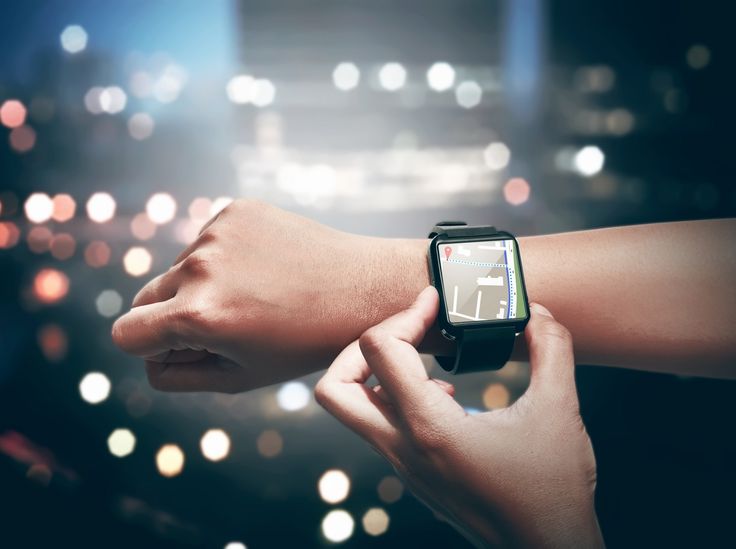
Beyond individual health, wearable technology has the potential to generate broader societal benefits, from reducing healthcare costs to providing invaluable data for public health research. As more people adopt these devices, the aggregated data can offer insights into population health trends, informing public policy and enabling targeted healthcare interventions.
Benefits to Public Health Systems
A. Early Warning Systems: Aggregated data from wearables can help identify emerging health trends, such as outbreaks of flu or other contagious diseases, enabling timely public health responses.
B. Resource Allocation: Health authorities can leverage wearable data to allocate resources more effectively, targeting interventions in regions where data indicates rising health risks.
C. Research and Development: Large-scale health data can drive medical research and innovation, leading to the development of new treatments and preventive measures.
Economic and Social Impacts
The adoption of wearable technology also carries significant economic and social implications. By facilitating preventive care and reducing hospitalizations, these devices can help lower healthcare costs. Moreover, the empowerment of individuals through data-driven health management contributes to an overall improvement in societal productivity and quality of life.
A. Cost-Effectiveness: Preventive measures enabled by wearables can significantly reduce the financial burden on healthcare systems by lowering the rates of emergency care and hospital readmissions.
B. Workforce Wellbeing: Healthier populations contribute to a more productive workforce, reducing absenteeism and enhancing overall economic performance.
C. Social Connectivity: Many wearable devices foster a sense of community by connecting users with similar health goals, thereby enhancing social support networks and overall well-being.
Conclusion
The profound impact of wearable technology on personal health cannot be overstated. From providing real-time monitoring of vital signs to offering tailored health recommendations, wearable devices are reshaping the landscape of personal health and the broader healthcare industry. The evolution of these devices—driven by advances in sensor technology, artificial intelligence, and connectivity—heralds a future where health monitoring is seamlessly integrated into everyday life. Although challenges related to data accuracy, privacy, and system integration persist, the collaborative efforts of technology developers, healthcare providers, and regulatory bodies are paving the way for a more resilient and efficient healthcare ecosystem. As wearable tech continues to advance, it holds the promise of not only enhancing individual well-being but also contributing to the overall betterment of public health systems and societal productivity. Embracing this technology, while addressing its challenges, will be key to unlocking its full potential and ensuring a healthier future for all.