Blockchain technology has rapidly evolved from its early days as the foundational technology behind cryptocurrencies to becoming a robust system that secures and streamlines digital transactions across the globe. This innovative system is transforming the way businesses, financial institutions, governments, and individuals handle data and money. Its decentralized structure, immutable ledger, and advanced cryptographic techniques have reshaped digital security and transparency, rendering traditional systems obsolete. In this extensive article, we will explore the fundamentals of blockchain, its emergence as a secure method for managing digital transactions, real-world applications, potential challenges, and future prospects within this revolutionary technology landscape.
Blockchain Technology
Blockchain is a distributed ledger technology that stores data in an immutable and transparent manner across a network of computers. Unlike conventional systems that rely on a central authority to validate and record transactions, blockchain distributes these tasks across many participants. This decentralization not only enhances security but also builds trust among users by ensuring that data is verified collectively.
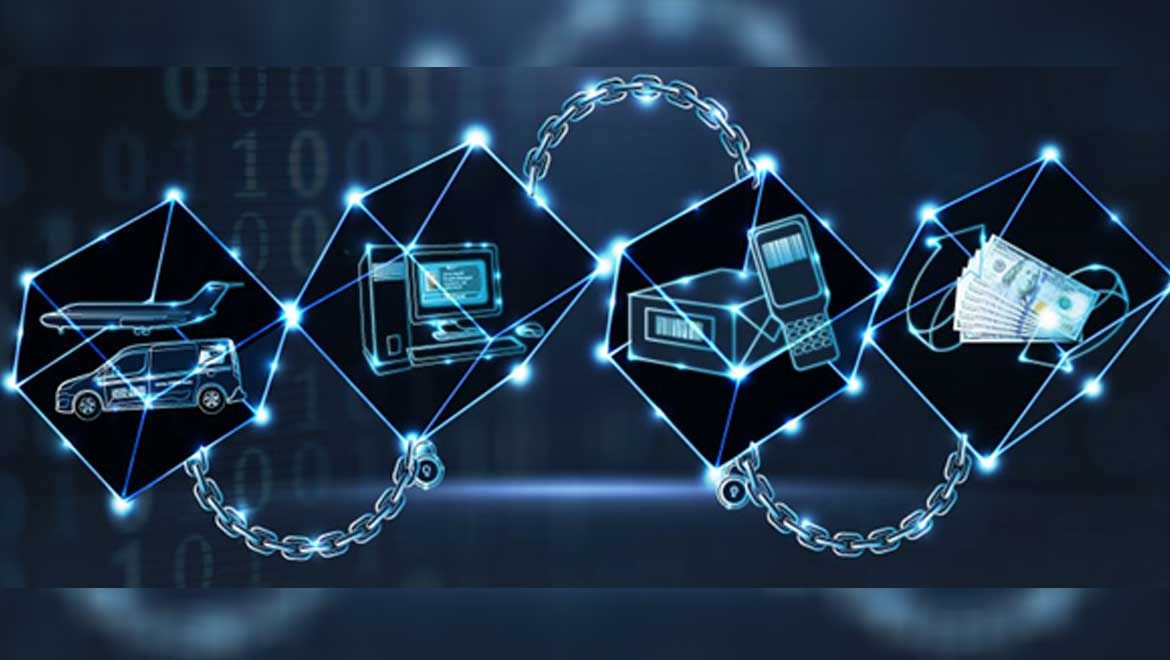
At its core, blockchain comprises blocks containing a list of transactions. Each block is timestamped and linked to the previous one, forming a chronological chain that is nearly impossible to alter retrospectively. Such a system guarantees that once data is recorded, it cannot be modified without consensus from the network, thus significantly reducing the risk of fraud and unauthorized manipulation.
Evolution and Growth of Blockchain in Digital Transactions
Blockchain was initially recognized through the advent of Bitcoin, the cryptocurrency that demonstrated a practical application for decentralized trust without the need for intermediaries. Since then, blockchain technology has branched out to various sectors:
A. Financial Services: Banks and financial institutions have embraced blockchain to enhance security, reduce transaction processing times, and lower costs. Distributed ledger technology (DLT) offers seamless cross-border payments and transparent record-keeping, bolstering both efficiency and trust.
B. Supply Chain Management: By tracking the movement of goods and verifying authenticity, blockchain brings transparency to the logistics and supply chain sectors, ensuring that every step is recorded and accessible in real time.
C. Healthcare: Ensuring data privacy while allowing secure data sharing among stakeholders is a significant challenge in healthcare. Blockchain secures patient records, improves interoperability among systems, and helps combat counterfeit medications by ensuring the traceability of drugs.
D. Government and Public Sector: Digital identity management, secure voting systems, and transparent record-keeping are among the numerous public sector applications. Blockchain’s decentralized nature minimizes vulnerabilities to hacking and fraud, providing a robust backbone for public trust.
E. Real Estate: From simplifying property transactions to ensuring clear records of ownership transfers, blockchain is revolutionizing how real estate transactions are conducted, minimizing paperwork, and reducing the potential for disputes.
These examples illustrate how blockchain’s inherent properties are disrupting traditional methods and ushering in an era where digital transactions are safer, faster, and more cost-effective.
How Blockchain Secures Digital Transactions
Blockchain secures digital transactions by implementing several layers of security features that work harmoniously to protect data integrity and confidentiality.
Decentralization
In a decentralized network, no single entity has control over the entire system, which diminishes the risk of systemic failures and potential hacking attempts. Every participant, known as a node, has access to the entire ledger. This redundancy means that even if one or a few nodes are compromised, the overall network remains secure and operational.
Cryptographic Security
Cryptography is the cornerstone of blockchain security. Each transaction is encrypted using sophisticated algorithms. Once encrypted, transactions are bundled into blocks and require complex mathematical computations, known as mining or consensus mechanisms, to be added to the blockchain. This process ensures that only verified transactions are permanently recorded.
Immutable Ledger
One of blockchain’s most significant advantages is its immutability. Each block is intricately linked to its predecessor using a cryptographic hash function, making it nearly impossible to alter or delete past transactions without the consensus of the entire network. This feature is critical in maintaining a trustworthy record of all transactions, as any attempt to modify a block would disrupt the entire chain and be immediately evident.
Consensus Mechanisms
Consensus mechanisms such as Proof-of-Work (PoW), Proof-of-Stake (PoS), and more advanced algorithms like Delegated Proof-of-Stake (DPoS) and Practical Byzantine Fault Tolerance (PBFT) ensure that all nodes in the network agree on the validity of transactions. This distributed consensus is what guarantees the trustworthiness of the blockchain, as no single node can unilaterally alter the ledger.
Transparency and Auditability
Every transaction on the blockchain is recorded in a transparent manner, enabling users to audit the chain at any time. This level of transparency is unprecedented compared to traditional centralized systems, where audit trails can easily be manipulated or hidden. In blockchain, the openness of records makes it straightforward to identify and rectify discrepancies, thereby maintaining high levels of security.
Real-World Applications of Blockchain in Digital Security
Blockchain’s contribution to digital transaction security is not confined to theoretical applications; numerous real-world implementations underscore its transformative potential. Here are several key areas where blockchain is currently making an impact:
Financial Services and Cryptocurrencies
The emergence of Bitcoin paved the way for a host of cryptocurrencies that rely on blockchain for secure and transparent transactions. Banks are now exploring blockchain for interbank settlements, loan processing, and even managing customer data. The decentralized nature of blockchain reduces dependency on centralized entities, lowering risk and fostering a more inclusive financial ecosystem.
Smart Contracts
Smart contracts are self-executing contracts where the terms and conditions are directly written into code. These contracts automatically trigger actions when specific conditions are met, eliminating the need for intermediaries and reducing fraud. For example, when a payment is made, a smart contract can automatically release digital assets or notify relevant parties, ensuring that the transaction is carried out precisely as intended.
Smart contracts operate on blockchain platforms like Ethereum, which support a variety of decentralized applications (dApps). They ensure that business processes are executed transparently and securely, without human intervention. This minimizes the risk of errors and tampering, making them particularly useful in sectors such as real estate, supply chain management, and financial services.
Supply Chain Enhancements
In supply chain management, blockchain provides an immutable record of every step from production to delivery. This ensures that every stakeholder can verify the authenticity and status of goods. For instance, consumers can check the provenance of high-value items like luxury goods or pharmaceuticals, ensuring they are not counterfeit. Additionally, blockchain facilitates efficient recalls by quickly identifying the origin of defective products.
Healthcare Data Management
The healthcare industry faces significant challenges related to data security and interoperability. Blockchain addresses these issues by offering a secure platform for storing electronic health records (EHRs). Patients’ data can be safely shared between medical institutions while maintaining privacy and security. Moreover, blockchain aids in tracking the supply chain of medical products, ensuring that every item is authentic and traceable.
Digital Identity Verification
Digital identity verification has become increasingly important in our digital age. Blockchain technology offers a secure and decentralized method for managing identities. Users have full control over their personal information, and identities can be verified without relying on centralized databases that are vulnerable to breaches. This application is particularly crucial for combating identity theft and ensuring that only authorized individuals access sensitive data.
Voting Systems
One of the most promising applications of blockchain is in the realm of electronic voting. Traditional voting systems are often plagued by issues such as fraud, low transparency, and the inability to audit votes efficiently. Blockchain voting systems can solve these problems by providing an immutable ledger where every vote is recorded transparently and can be audited in real time. This technology enhances the security and integrity of democratic processes by ensuring that every vote counts and is verifiable.
Technical Foundation: How Blockchain Operates
Understanding blockchain’s technical foundation helps appreciate why it is considered so secure and effective. Here, we delve into some of the key technical components:
A. Distributed Ledger:
Blockchain relies on a distributed ledger that is shared across all nodes in the network. This ledger stores every transaction permanently, ensuring redundancy and resilience against data loss.
B. Hash Functions:
Each block in the blockchain has its unique fingerprint—its hash. A hash function takes an input (or ‘message’) and returns a fixed-size string of characters. Any alteration in the block’s contents would result in a drastically different hash, thus alerting the system to potential tampering.
C. Merkle Trees:
To efficiently verify large sets of data, blockchain utilizes data structures called Merkle trees. These trees allow the network to verify that a set of transactions is included in a block without needing to check every transaction individually. This method enhances scalability and reduces the computational burden on the network.
D. Mining and Consensus:
In networks using Proof-of-Work, miners compete to solve complex mathematical puzzles. The first to solve the puzzle validates the block, adds it to the blockchain, and receives a reward. This competitive process ensures that blocks are added in a secure and reliable manner. Alternatively, Proof-of-Stake and other consensus algorithms reduce the energy consumption and increase transaction throughput while maintaining robust security.
E. Public and Private Keys:
Blockchain transactions are secured using public-key cryptography. Each user has a public key and a private key. The public key serves as an address to which funds and data can be sent, while the private key is used to sign transactions securely. This dual-key system ensures that only the rightful owner can authorize a transaction.
Advantages of Blockchain in Securing Transactions
Blockchain technology brings a host of benefits over conventional transaction systems. These advantages include:
A. Enhanced Security:
The decentralized nature and cryptographic foundations of blockchain minimize the risk of unauthorized access and fraud. Any attempt to alter data on the blockchain is immediately apparent, protecting sensitive information from tampering.
B. Transparency:
Every transaction is recorded in a public ledger, making it accessible for auditing by anyone. This level of transparency reduces the chances of malfeasance and builds trust among users.
C. Efficiency:
By eliminating intermediaries, blockchain streamlines transaction processing. Transactions can occur directly between parties, reducing the delays and fees associated with traditional banking systems.
D. Cost Reduction:
The automation of processes using smart contracts and the removal of central authorities translate into significant savings. Businesses can lower operational costs, and consumers enjoy the benefits of more affordable transaction fees.
E. Global Accessibility:
Blockchain operates on a global network, enabling participants from different parts of the world to interact seamlessly. This is particularly beneficial for cross-border transactions, remittances, and international trade.
Challenges and Future Prospects for Blockchain
While blockchain offers transformative benefits, several challenges must be addressed to maximize its potential.
Scalability Concerns
One of the most commonly cited issues with blockchain technology is scalability. As transaction volumes increase, blockchain networks may face bottlenecks that slow down processing times and reduce efficiency. Current research and development efforts are focused on solutions such as off-chain transactions, sharding, and layer-two protocols to enable blockchain systems to handle greater transaction loads without sacrificing security.
Regulatory and Legal Hurdles
The regulatory environment for blockchain and cryptocurrencies continues to evolve. Governments and financial regulators worldwide are actively engaged in crafting frameworks that balance innovation with consumer protection. As blockchain technology extends its reach across industries, compliance with regulatory standards will be crucial in ensuring its widespread acceptance and stability.
Energy Consumption
Certain blockchain networks, particularly those employing Proof-of-Work, consume large amounts of energy due to the computational power required for mining. This has sparked debates regarding the environmental impact of blockchain-based systems. Newer consensus mechanisms, like Proof-of-Stake, as well as efforts to utilize renewable energy sources for mining, are part of the ongoing conversation to mitigate blockchain’s ecological footprint.
Interoperability
For blockchain to reach its full potential, disparate blockchain systems must be able to communicate and operate seamlessly with one another. Interoperability remains a significant challenge, with numerous projects actively working towards the development of standardized protocols that facilitate cross-chain interactions.
Future Innovations
Looking ahead, blockchain is likely to become increasingly integrated into various aspects of everyday life. Innovations on the horizon include:
A. Integration with the Internet of Things (IoT):
As IoT devices continue to proliferate, blockchain can provide secure data exchange between these devices. This integration will be vital in securing smart cities, autonomous vehicles, and other emerging technologies.
B. Decentralized Finance (DeFi):
DeFi is rapidly expanding, offering financial products and services without traditional intermediaries. Blockchain technology underpins these platforms, ensuring that transactions, lending, and borrowing are secure, transparent, and accessible to a global audience.
C. Enhanced Privacy Solutions:
Innovative projects are focusing on developing blockchain systems that offer greater privacy while maintaining transparency and security. Zero-knowledge proofs and other cryptographic techniques are being refined to allow secure transactions without revealing sensitive information to the public.
D. Quantum-Resistant Algorithms:
With advancements in quantum computing, current cryptographic methods may eventually become vulnerable. Researchers are actively developing quantum-resistant algorithms to ensure that blockchain systems remain secure in the coming era of quantum computing.
Case Studies: Blockchain in Action
To better illustrate the transformative power of blockchain, let us examine several case studies that highlight its real-world applications.
Financial Institutions Adopting Blockchain
Major financial institutions around the world are incorporating blockchain to streamline their operations. For example, a leading multinational bank recently implemented a blockchain-based system for processing cross-border payments. This system has not only accelerated transaction times but has also reduced associated costs dramatically. The decentralized verification system has instilled greater confidence among international clients, thereby fostering an environment where transactions are executed seamlessly and securely.
Blockchain in Healthcare
In another striking example, a renowned healthcare provider partnered with a technology firm to implement a blockchain solution for managing patient records. The system ensures that patient data is stored securely and only accessible by authorized personnel. By using blockchain’s immutable ledger, the provider has improved data integrity and facilitated faster sharing of medical information between specialists. Moreover, blockchain’s traceability has helped in verifying the authenticity of medical products, ensuring that counterfeit drugs do not enter the supply chain.
Digital Identity Management
A progressive government initiative in a European country has adopted blockchain technology to overhaul its digital identity management systems. Citizens now have control over their personal data through a blockchain-based digital identity platform. This system has significantly reduced identity theft and fraud while enabling a more efficient process for accessing government services. The ability to verify identities with blockchain has paved the way for secure digital voting and other e-governance applications.
Blockchain’s Impact on Global Business Practices
The adoption of blockchain technology is not only improving transactional security but also reshaping global business practices. Companies are finding that blockchain enhances operational efficiency, fosters customer trust, and opens up new revenue streams. By integrating blockchain, businesses can reduce dependency on intermediaries, which traditionally introduce delays, fees, and potential points of failure. This paradigm shift is enabling companies to develop innovative business models that prioritize transparency, security, and efficiency.
For instance, global supply chains can benefit immensely from blockchain by establishing an end-to-end transparent record of product movement and authenticity. Additionally, smart contracts are automating contractual agreements, ensuring that every term is executed as agreed upon without the need for manual enforcement. This level of automation reduces errors and administrative overhead, leading to a streamlined business process that benefits both companies and consumers alike.
Bridging the Gap Between Legacy Systems and Blockchain
Many organizations are faced with the challenge of integrating blockchain technology with existing legacy systems. This integration requires a systematic approach where businesses must analyze existing workflows, identify areas that would benefit most from blockchain, and then gradually implement the technology to avoid disruptions. Strategic partnerships and collaborations between traditional institutions and blockchain innovators have proven effective. By piloting blockchain projects in targeted areas such as supply chain management or financial settlements, companies can assess performance and scalability before a full-scale rollout. This phased approach ensures a smooth transition while mitigating the risks associated with overhauling mature systems.
Global Adoption and Future Trends
Blockchain technology is gaining momentum across all continents as various industries recognize its transformative potential. Governments are increasingly supportive, with several launching public-private initiatives to explore blockchain applications in voting, identity management, and secure data sharing. Emerging markets are particularly keen on leveraging blockchain to overcome the limitations of existing infrastructure. In these regions, blockchain promises to deliver financial inclusion and improved access to essential services by bypassing outdated banking systems.
Looking to the future, blockchain is expected to underpin not only financial ecosystems but also broader societal changes. Innovations such as the tokenization of assets, enabling fractional ownership of real-world assets, and improved interoperability between disparate blockchain networks are set to redefine how transactions are conducted globally. As quantum computing evolves, the blockchain sector is simultaneously advancing its cryptographic protocols to ensure that the technology remains resilient in the face of new computational challenges.
Conclusion
Blockchain technology has emerged as a groundbreaking innovation that secures digital transactions on a global scale. Its decentralized architecture, rigorous cryptographic security, and unparalleled transparency have redefined how sensitive transactions are conducted, promising enhanced security and efficiency in industries ranging from finance and healthcare to government and real estate. While challenges such as scalability, regulatory hurdles, and energy consumption persist, ongoing research and innovation continue to address these issues. With an ever-growing list of applications and significant investments worldwide, blockchain is poised to become a cornerstone of modern digital infrastructure. Its potential to not only secure digital transactions but to also promote transparency, reduce costs, and foster trust among global stakeholders is undeniable. In embracing blockchain, we are witnessing the dawn of a new era in digital security—one that is more secure, efficient, and inclusive than ever before.