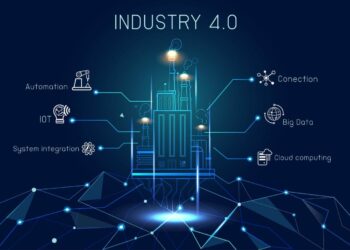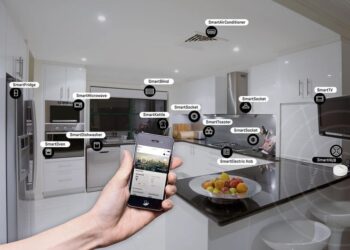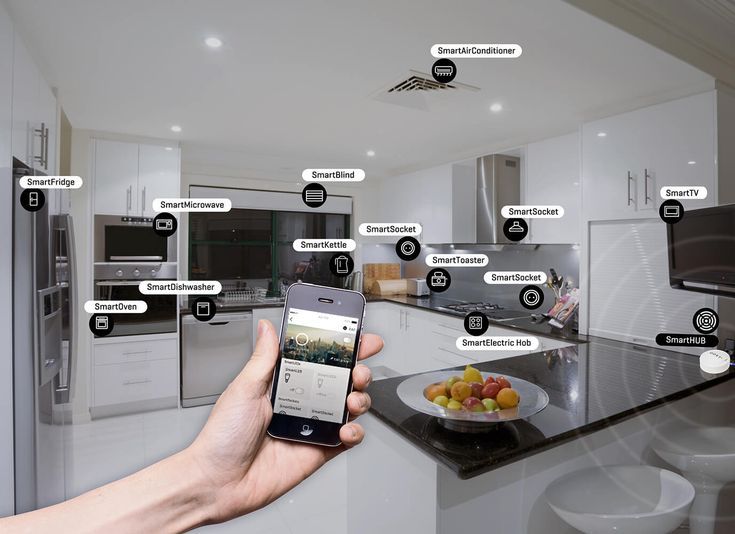
In today’s rapidly evolving digital landscape, the integration of Internet of Things (IoT) technology into everyday living has revolutionized the concept of home automation. The modern home is no longer limited to conventional appliances and electrical systems; it has evolved into a smart ecosystem where devices communicate seamlessly with one another to increase convenience, efficiency, and security. This article delves into the intricate ways IoT devices streamline home automation by exploring the various technologies at play, their practical benefits, potential challenges, and the future trends that continue to shape the industry. With cutting-edge advancements and integration of artificial intelligence (AI), machine learning, and advanced connectivity protocols, IoT is transforming homes into responsive, adaptive environments that cater to the unique needs of inhabitants.
The emergence of IoT devices in home automation is not a trend limited to tech enthusiasts; it represents a transformative shift in how we manage our living spaces. From smart thermostats and lighting systems to sophisticated security cameras and voice-activated assistants, IoT-driven automation offers a higher level of comfort and efficiency previously unimaginable. Driven by rising consumer demand for increased convenience and energy efficiency, these devices have carved out a prominent niche within both residential and commercial settings. Research from reputable sources such as Forbes and McKinsey & Company underscores the booming interest and substantial investments in smart home technologies, highlighting a future where connectivity is as essential as electricity.
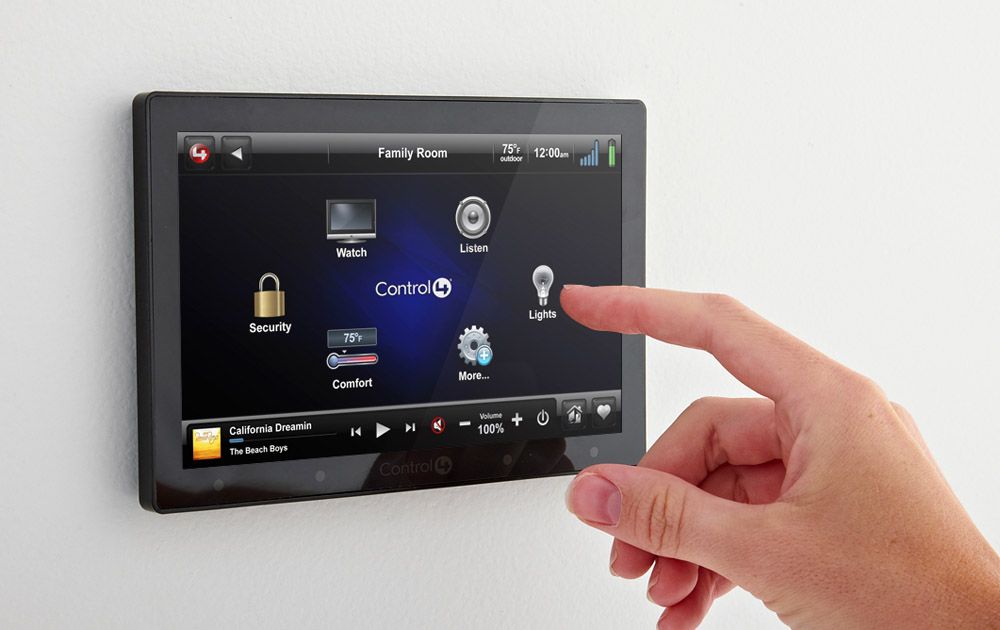
As the number of connected devices in households continues to increase exponentially, the necessity for systems that can manage and synchronize them grows. This interconnectedness enables homeowners to control almost every aspect of their domestic environment through centralized platforms, often via a smartphone or voice command system. The evolution of IoT devices into smarter, more intuitive systems is prompting a reimagining of not only how we interact with our homes, but also how we consume energy and secure our environments.
Overview of IoT and Home Automation
Defining IoT and Its Role in Smart Homes
The term Internet of Things (IoT) refers to the network of physical devices embedded with sensors, software, and other technologies, which enables them to connect and exchange data with other devices and systems over the internet. In the context of home automation, IoT devices include everything from lighting controls and thermostats to surveillance systems and smart locks. These devices are designed to communicate with each other, offering seamless integration that simplifies everyday tasks.
The primary function of IoT devices in home automation is to create an environment that anticipates residents’ needs, thereby enhancing the overall quality of life. They achieve this by using real-time data analytics to monitor and respond to changes in the environment. For instance, smart thermostats learn from daily routines and adjust temperature settings accordingly, optimizing energy usage and reducing costs.
Evolution of Home Automation Technology
Historically, home automation was limited to simple timer-based systems that controlled lights and appliances. However, the evolution of technology – driven by advances in wireless communication, miniaturization of sensors, and cloud computing – has paved the way for sophisticated automation solutions. The modern smart home leverages machine learning algorithms that adapt to users’ habits and preferences, thereby offering a personalized experience.
Key milestones in the evolution of home automation include the development of protocols such as Zigbee, Z-Wave, and Wi-Fi, which enable robust, reliable communication between devices. These protocols have largely contributed to the expansion of the smart home market by supporting an increasingly diverse ecosystem of connected products.
Benefits of IoT Devices for Home Automation
IoT devices provide myriad benefits that range from increased energy efficiency and convenience to enhanced security. These advantages have led to rapid adoption among homeowners and renters alike.
Increased Energy Efficiency and Cost Savings
One of the most significant benefits of IoT-enabled home automation is the potential for enhanced energy efficiency. Smart devices can continuously monitor energy consumption and optimize their operations based on real-time data. For example, smart lighting systems adjust brightness levels based on natural light availability, while smart thermostats analyze occupancy patterns to regulate heating and cooling systems more effectively. This not only leads to reduced energy consumption, but also translates into significant cost savings over time.
Energy management systems, often integrated with IoT platforms, allow homeowners to track their utility usage and receive recommendations on improving efficiency. By leveraging data analytics and AI, these systems can suggest actionable improvements and automations that further enhance the overall energy management strategy.
Enhanced Home Security and Safety
Security is another area where IoT devices have made substantial contributions to home automation. Modern smart home security systems combine cameras, sensors, and alarms to provide real-time monitoring and alerts. Homeowners can now receive instant notifications on their smartphones if any unusual activity is detected, irrespective of their location. This connectivity significantly enhances the safety of the home by enabling prompt responses to potential threats.
A holistic security system typically involves multiple layers of protection including: A. Smart cameras with motion detection and facial recognition capabilities. B. Door and window sensors that alert when any entry point is breached. C. Integrated alarm systems that provide auditory deterrents and call local authorities if necessary. D. Remote monitoring and control, allowing homeowners to secure their homes from anywhere in the world.
Convenience and Time Savings
Perhaps the most compelling advantage of IoT devices is the unparalleled convenience they offer. Home automation systems enable users to control various appliances and systems from a single interface, whether it’s a smartphone app, web portal, or voice command. This centralized control system eliminates the need to manually operate individual devices, thereby saving significant time and effort.
Consider a typical morning routine in a smart home: A. The smart coffee maker starts brewing as the homeowner’s alarm goes off. B. Automated lighting systems gradually adjust the light intensity to mimic a natural sunrise. C. Thermostats fine-tune the home’s temperature based on real-time weather data. D. Voice-activated assistants provide daily updates and weather forecasts, all without requiring any physical interaction.
Such seamless integration of daily functions not only simplifies routine tasks but also introduces a level of efficiency that directly impacts one’s quality of life.
Personalization and Enhanced User Experience
IoT devices can tailor home automation systems to the individual preferences of its users. Modern systems employ advanced AI algorithms to learn user behaviors, enabling them to provide personalized recommendations and automate routines. This level of customization results in a living space that adapts dynamically to meet the unique needs and preferences of its occupants.
Examples of personalized automation include: A. Adjusting music playlists based on the time of day. B. Customizing lighting scenes for various activities, such as reading or dining. C. Setting temperature profiles for different periods, such as the morning rush versus late evening relaxation. D. Integrating with wearable devices to monitor health metrics and adjust home settings accordingly.
These tailored experiences not only elevate convenience but also contribute to a significant improvement in comfort and satisfaction for homeowners.
Improved Communication and Integration
IoT devices excel in facilitating communication between various systems within the home. They create an integrated network that allows devices to share data and work in tandem, resulting in more effective home management. For instance, a smart lock might communicate with a security camera to provide real-time verification of a visitor’s identity, or a smart refrigerator could alert homeowners when supplies are running low.
This interoperability is made possible through standardized protocols and communication platforms, which have evolved significantly over the past few years. The convergence of different technologies under a unified ecosystem paves the way for future developments where even more devices can be seamlessly integrated.
Innovative Applications of IoT in Home Automation
Beyond the conventional uses in energy efficiency and security, IoT devices are now serving a myriad of innovative applications that further enhance the home environment.
Health and Wellness Integration
Smart homes are increasingly focusing on health and wellness. With the integration of IoT devices, homes can now monitor various health metrics such as air quality, humidity, and even levels of allergens. Advanced air purification systems use IoT technology to detect pollutants and automatically adjust their filtration levels. Furthermore, wearable devices and smart health monitors can synchronize with home automation systems to offer insights into daily physical activities, sleep patterns, and overall well-being.
For example: A. Air quality sensors alert homeowners if carbon monoxide or volatile organic compounds (VOCs) reach dangerous levels.
B. Humidity sensors ensure that the indoor climate remains within the ideal range for health.
C. Smart scales and fitness trackers can integrate with home systems to recommend personalized workout routines or relaxation techniques.
These advancements enable a proactive approach to maintaining a healthy living environment, ensuring that the home adapts not only to comfort needs but also to health requirements.
Entertainment and Lifestyle Enhancements
The integration of IoT devices in home automation extends deeply into the entertainment sector. Smart audio-visual systems now provide immersive entertainment experiences tailored to the preferences of the users. Advanced home theaters, synchronized lighting, and voice-controlled streaming services combine to offer an engaging and interactive environment for leisure and relaxation.
Key components in entertainment enhancement include: A. Smart TVs that integrate with other IoT devices to offer personalized content recommendations.
B. Wireless multi-room audio systems that allow for seamless music streaming across different parts of the home.
C. Interactive voice-controlled devices that can control playlists, access online streaming services, and even adjust ambient settings to enhance the viewing experience.
These technologies converge to create a holistic entertainment ecosystem that caters to modern lifestyle demands.
Smart Kitchen Innovations
The kitchen is another area where IoT has introduced significant transformations. Smart appliances are now revolutionizing culinary experiences by offering features such as remote control, maintenance alerts, and even recipe suggestions. Smart refrigerators can monitor food inventory, track expiration dates, and even suggest recipes based on available ingredients. In parallel, smart ovens and cooktops come equipped with remote operation capabilities and precise temperature controls, ensuring that cooking becomes more efficient and less error-prone.
Innovative features in smart kitchens encompass: A. Remote monitoring and control of cooking appliances for hands-free convenience.
B. Inventory management systems that keep track of groceries and alert homeowners when supplies need replenishing.
C. Voice-activated assistants that can provide step-by-step cooking instructions or suggest meal plans.
As technology advances, the kitchen is poised to become one of the most connected and efficient spaces in the home.
Challenges and Considerations in IoT-Enabled Home Automation
Despite the numerous advantages, the proliferation of IoT devices in home automation comes with its own set of challenges. Understanding these potential pitfalls is essential for both developers and consumers to ensure that the benefits far outweigh the risks.
Security and Privacy Concerns
One of the primary challenges with IoT devices is ensuring robust security protocols to protect user data. Since smart devices are interconnected via the internet, they may serve as potential targets for cyberattacks if not properly secured. Malicious entities could gain access to sensitive information or even take control of connected devices, thereby compromising the safety of the home.
Several measures can be taken to mitigate these concerns: A. Implementing end-to-end encryption to safeguard data transmissions.
B. Regular software updates and security patches to address vulnerabilities.
C. Utilizing strong, unique passwords and multi-factor authentication for device access.
D. Ensuring network segmentation so that critical systems are isolated from less secure devices.
By adopting stringent security protocols, manufacturers and homeowners alike can significantly reduce the risk of cyber intrusions and data breaches.
Interoperability and Standardization Issues
While the promise of a fully integrated smart home is alluring, achieving interoperability among devices from different manufacturers remains a considerable challenge. Inconsistent standards and communication protocols can lead to compatibility issues, making it difficult for devices to operate cohesively under a unified system. This fragmentation can diminish the overall efficiency and user experience of home automation systems.
To address this, industry-wide initiatives are needed: A. Adoption of common standards and protocols to enable seamless communication among devices.
B. Collaboration between manufacturers and regulatory bodies to ensure compliance with best practices.
C. Development of unified platforms that can integrate disparate systems into a single, cohesive ecosystem.
Such efforts not only streamline the user experience but also drive further innovation in the development of smarter, more compatible devices.
Data Management and Analytics
The vast amounts of data generated by IoT devices can be both a boon and a bane. While effective data analytics can lead to highly personalized and efficient systems, managing this data poses challenges related to storage, processing, and privacy. Advanced analytics require robust cloud-based platforms capable of handling real-time information processing without compromising security.
Home automation systems must therefore balance the need for data-driven insights with stringent adherence to privacy standards: A. Leveraging edge computing to process data locally, thereby reducing latency and reliance on cloud infrastructures.
B. Implementing anonymization protocols to safeguard personal information while still enabling detailed analytics.
C. Utilizing scalable and flexible data management systems that can adapt to growing data volumes.
An integrated approach ensures that homeowners can benefit from customized automation experiences without jeopardizing their sensitive information.
Future Trends in IoT-Enabled Home Automation
The trajectory of IoT in home automation is set to ascend even further as technological advancements continue to expand its capabilities. Understanding these emerging trends is crucial for stakeholders who wish to remain at the forefront of innovation in the smart home industry.
Integration of Artificial Intelligence and Machine Learning
The fusion of artificial intelligence (AI) with IoT devices promises to take home automation to unprecedented heights. AI-powered systems can analyze massive amounts of data to predict user behaviors more accurately and dynamically adjust home settings in real time. Machine learning algorithms are continuously evolving, allowing home automation systems to refine their operations based on previous interactions, environmental changes, and user preferences.
Key developments anticipated in AI integration include: A. Predictive maintenance that alerts homeowners about potential issues before they become critical.
B. Adaptive automation systems that adjust settings automatically based on seasonal variations and user habits.
C. Enhanced natural language processing capabilities that allow more intuitive communication between humans and devices.
Advancements in Connectivity and 5G
The rollout of 5G networks is expected to propel IoT home automation into a new era of speed and reliability. With higher bandwidth and significantly lower latency, 5G connectivity will enable a greater number of devices to communicate seamlessly, ensuring real-time responsiveness and improved overall system performance. This technological leap will be critical as the number of connected devices per household continues to grow.
Expectations for connectivity improvements include: A. The ability to support a larger scale of devices without network degradation.
B. Improved connectivity in remote or previously underserved areas.
C. Enhanced data transmission speeds, ensuring that high-definition video streams, real-time analytics, and interactive voice controls perform flawlessly.
Emergence of Edge Computing
Edge computing is rapidly gaining prominence as it offers a solution to many of the latency and security issues inherent to cloud-dependent systems. By processing data closer to the source – directly on the device or within local networks – edge computing minimizes delays and enhances data security. This trend is particularly significant in home automation where immediate response times are paramount.
Advantages of edge computing in smart homes include: A. Reduced reliance on potentially insecure cloud networks.
B. Faster processing of critical data required for real-time decisions.
C. Lower overall bandwidth consumption, which leads to enhanced performance and cost efficiency.
Sustainable and Eco-Friendly Automation
Another critical trend that is gaining traction in IoT home automation is the emphasis on sustainability. With increasing environmental awareness, both manufacturers and consumers are prioritizing energy-efficient devices that reduce carbon footprints. Innovations in smart grid integration and renewable energy management are set to shape the future of eco-friendly homes.
Future sustainable practices may include: A. Integration of solar panels and energy storage systems with home automation networks.
B. Use of energy harvesting sensors that reduce dependency on traditional power sources.
C. Advanced analytics that provide real-time insights into energy consumption, aiding homeowners in making environmentally conscious decisions.
Practical Considerations for Implementing IoT in Home Automation
For homeowners considering transitioning to a fully automated home environment, there are several practical considerations to keep in mind. Implementing IoT solutions requires not only the initial purchase of smart devices but also ongoing management, maintenance, and potential upgrades as technology evolves.
Steps for a Seamless Transition
For those embarking on the journey to create a smart home, the following steps can facilitate a smooth transition: A. Conduct a thorough assessment of current appliances and systems to identify integration opportunities.
B. Prioritize upgrades based on budget, potential energy savings, and security benefits.
C. Opt for devices that support common standards and protocols to ensure future compatibility.
D. Work with professional installers if necessary to ensure that network security protocols are robust and properly configured.
E. Regularly update and maintain devices to protect against evolving cyber threats while ensuring optimal performance.
Budgeting and Return on Investment (ROI)
Investing in IoT devices involves upfront costs which should be balanced against long-term savings and benefits. Home automation systems often lead to significant cost reductions through energy savings, enhanced security, and improved lifestyle convenience. When planning an implementation, it is essential to conduct a detailed cost-benefit analysis. Consider factors such as: A. Initial hardware and installation costs.
B. Expected energy savings over time.
C. The potential increase in property value due to smart home features.
D. Maintenance and upgrade expenses.
E. Intangible benefits such as improved convenience and quality of life.
Addressing Common User Concerns
As with any technological shift, users may harbor concerns about interoperability, privacy, and the potential complexity of managing multiple devices. Transparent information and user-friendly interfaces are crucial. Manufacturers are increasingly focusing on creating comprehensive support systems that include intuitive apps, accessible customer service, and detailed user manuals to address these concerns effectively. Moreover, communities of early adopters often provide valuable insights and troubleshooting tips, creating a supportive ecosystem for new users.
Conclusion
The impact of IoT devices on home automation is profound and far-reaching. From enhancing energy efficiency and safety to providing unprecedented levels of convenience and personalization, IoT is reshaping the modern home into a dynamic, interconnected ecosystem. As technology continues to advance—with breakthroughs in AI, 5G, edge computing, and sustainability—the capabilities of home automation systems are expected to expand, further blurring the lines between digital convenience and everyday living.
This comprehensive exploration reveals that while challenges remain—primarily in security, interoperability, and data management—the benefits of IoT-enabled smart homes are compelling. Homeowners who embrace these technologies can look forward to transformed living environments that not only simplify daily routines but also contribute to a more sustainable and efficient future. The evolution of smart homes is not just a trend, but a testament to the relentless pace of technological innovation, promising a future where our homes are smarter, safer, and more attuned to our needs than ever before.
By understanding the mechanisms, applications, and future directions of IoT devices in home automation, consumers and industry professionals can make informed decisions that drive progress and foster environments where technology works for us. As this industry matures, the seamless integration of IoT systems into our living spaces will undoubtedly become a cornerstone of modern life, providing an enriched, efficient, and secure way of living.
The journey towards a fully automated home is both exciting and challenging, but with continuous improvements, innovation, and a strong focus on security and interoperability, the potential for IoT devices is limitless. Whether you are a homeowner looking to upgrade your living space or a technology enthusiast eager to explore the frontiers of automation, the impact of IoT on home living is transformative and worth every investment.
Embrace the future of smart living and explore the dynamic interplay of technology and convenience. The next chapter in home automation is being written by innovators who are dedicated to blending efficiency with intelligence, ensuring that every corner of your home is responsive and adaptive to your lifestyle needs.