In today’s dynamic digital era, smartphones have evolved into much more than mere communication tools; they have become central to nearly every aspect of daily activities. From personal management to professional productivity, these compact devices revolutionize the way individuals and businesses function. The transformative power of smartphones stems from their ability to integrate diverse functionalities—such as internet browsing, multimedia playback, navigation, and a myriad of apps—into one portable gadget. This comprehensive article delves into the development, features, and multifaceted roles of smartphones that place them at the heart of contemporary lifestyles. We will explore the historical evolution of smartphone technology, analyze their impact on communication and daily routines, assess their influence in the business and educational sectors, and discuss future trends that could further shift the digital landscape. The following sections provide an in-depth investigation, supported by recent references and thoughtful analysis, to demonstrate why smartphones continue to dominate our lives.
The Evolution of Smartphones
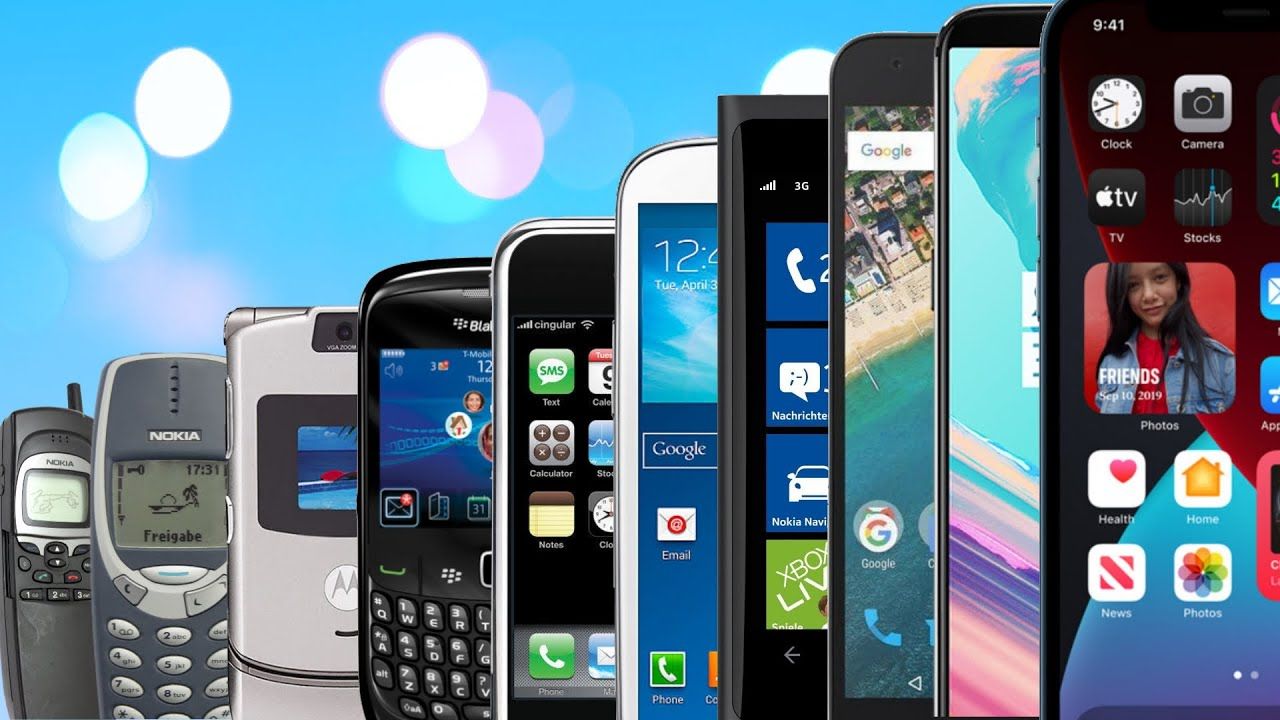
Smartphones have come a long way from their humble origins as simple mobile phones with limited features. Initially designed solely to facilitate voice communication and text messaging, early mobile devices have now transformed into sophisticated mini-computers that accompany users throughout their days. The progression of smartphone technology reflects both technological advancements and the changing demands of society, which increasingly prioritize connectivity, efficiency, and innovation.
From a historical standpoint, the concept of a “smartphone” was first introduced in the 1990s, as the telecommunications industry began blending personal digital assistants with mobile phones. In the early 2000s, devices equipped with touchscreens, internet capabilities, and a growing ecosystem of third-party applications surfaced. The introduction of revolutionary operating systems, such as iOS and Android, spurred a wave of innovation that dramatically shifted the mobile landscape.
The technological journey continued as manufacturers began to incorporate higher resolution screens, advanced cameras, and more powerful processors. Today’s smartphones not only offer lightning-fast internet speeds and high-quality video streaming but also incorporate artificial intelligence (AI) to enhance user experience and provide personalized services. Moreover, the integration of sensors and biometric security features such as fingerprint scanners and facial recognition have turned modern smartphones into secure gateways for personal data, online transactions, and even home automation systems.
Impact on Communication
At the heart of the smartphone revolution lies its profound impact on communication. No longer confined to voice calls and text messages, modern smartphones enable users to interact with friends, family, and colleagues through multiple channels simultaneously. The transformation in communication is evident in several key areas.
One major improvement is the ability to engage in real-time video conferencing. Applications like Zoom, Skype, and Google Meet have become indispensable for both personal and business conversations, particularly in an era marked by global interconnectivity and remote work. This transition from conventional communication methods to rich, interactive multimedia experiences has reshaped how relationships are maintained across long distances.
Another pivotal aspect is the rise of social media platforms that are optimized for mobile use. The seamless integration of social networks into smartphone operating systems allows users to share moments instantaneously and maintain continuous engagement with online communities. Social media applications such as Facebook, Instagram, Twitter, and TikTok have capitalized on the portability and versatility of smartphones, transforming them into hubs for social interaction and digital expression.
Smartphones also facilitate asynchronous communication methods like email and messaging apps. The ubiquity and convenience of mobile email access have blurred the boundaries between personal and professional lives, enabling constant connectivity and prompt responses. This evolution in communication technology is a key contributor to the dynamic, always-on culture observed in modern society.
Role in Everyday Tasks
The capabilities of smartphones extend well beyond communication, as these devices have become essential tools in managing daily tasks efficiently. Whether it is scheduling appointments, tracking personal fitness, or even managing household finances, smartphones deliver convenience and efficiency in every aspect of daily life.
One of the primary functions of smartphones is the capability to act as personal organizers. Calendar applications, reminders, and note-taking apps provide users with the means to schedule their day meticulously. Integration with online storage and synchronization services further ensures that critical data is always accessible, whether one is at home, at work, or traveling.
Smartphones have also become indispensable tools in personal health and wellness. Fitness applications not only track physical activity and caloric intake but also offer personalized workout plans and health insights. Coupled with health-monitoring sensors like heart rate monitors and pedometers, these apps help users maintain an active and informed lifestyle. The connectivity offered by smartphones allows data from health apps to be easily shared with medical professionals, thereby augmenting the preventive healthcare approach.
In the realm of navigation and travel, smartphones continue to transform the way we traverse our environments. GPS technology integrated with mapping applications guides users through unfamiliar terrains, offering real-time traffic updates and route optimizations. Additionally, ride-sharing services have leveraged smartphone technology to redefine urban mobility. Applications like Uber and Lyft exemplify this impact by providing convenient, on-demand transportation solutions that alleviate the need for traditional taxi services.
Moreover, smartphones have enhanced daily productivity by integrating digital payment systems and online banking applications. By enabling secure mobile transactions, these devices facilitate everything from grocery shopping to bill payments. With the inclusion of contactless payment technologies, smartphones are increasingly viewed as wallets that offer convenience, security, and speed. In today’s fast-paced digital economy, managing finances on the go is not just a luxury but a necessity.
Smartphones in Business and Work Environments
The business and corporate sectors have experienced a paradigm shift largely attributable to the pervasive usage of smartphones. As mobile technology advances, employers have recognized the benefits of flexible work environments, improved communication channels, and enhanced data security. Smartphones offer a unique blend of personal and professional management capabilities that boost productivity in several ways.
Modern smartphones are equipped with enterprise-level applications that facilitate a wide range of business tasks. Office productivity suites, collaboration tools, and enterprise resource planning software have been optimized for mobile use. Employees can now access crucial documents, participate in virtual meetings, and manage projects from any location. This mobility reinforces the concept of “anytime, anywhere” work, which is increasingly becoming the norm in today’s highly connected world.
Security is another critical domain where smartphones have evolved to meet the rigorous requirements of the business world. With the integration of advanced encryption methods and biometric authentication, smartphones provide a secure platform for sensitive data. Numerous industries have adopted mobile device management systems (MDM) to oversee corporate smartphones, ensuring compliance with security standards while minimizing potential risks.
The advent of mobile payment solutions has similarly redefined the commercial landscape. By integrating payment apps with advanced security protocols, businesses are now able to engage in seamless transactions that cater to a tech-savvy customer base. Whether for point-of-sale (POS) systems or online shopping platforms, smartphones play an integral role in driving revenue and enhancing the customer experience.
Furthermore, the rise of remote work has propelled smartphones to the forefront of modern business practices. Video conferencing apps, digital whiteboards, and project management tools have made it possible for teams to collaborate across time zones and geographies. This trend has not only boosted productivity but has also encouraged a more balanced work-life dynamic, as employees can work from locations that suit their personal needs.
Educational Transformation Through Mobile Technology
Smartphones are also making significant inroads into the educational sector by providing flexible, accessible learning opportunities outside of traditional classrooms. The integration of mobile technology into education offers both instructors and students a platform for innovative learning experiences. The emergence of educational apps and online courses signifies a major transformation in pedagogical strategies, rendering learning an interactive and personalized experience.
A variety of learning management systems (LMS) have been optimized for mobile devices. These systems allow educators to provide interactive content, assessments, and real-time feedback. In addition, digital textbooks and multimedia content have supplanted traditional classroom materials, allowing students to access updated resources at any time. The interactive nature of these tools encourages active learning and fosters an environment where students can engage with materials in ways that suit diverse learning preferences.
Smartphones provide instant access to a world of information. Students and educators alike benefit from the seamless integration of research tools, educational videos, and forums for academic discussion. The incorporation of virtual laboratories and simulation applications further enhances experiential learning, enabling complex concepts to be illustrated in tangible, engaging formats.
Moreover, the flexibility offered by smartphones supports life-long learning. For professionals and adult learners, mobile technology breaks down geographical and time-related barriers to education. Whether through micro-learning apps or comprehensive online degree programs, the accessibility of smartphone technology democratizes education by making high-quality content available to a broader audience.
The Role of Artificial Intelligence and Smart Assistants
A pivotal dimension of modern smartphones is their ability to integrate artificial intelligence (AI) and smart assistants into everyday tasks. These technological advancements have redefined user interaction with their devices, offering a more personalized and proactive digital experience. Smart assistants such as Siri, Google Assistant, and Alexa leverage AI to streamline operations, answer queries, and perform tasks based on voice commands.
AI-driven applications on smartphones have significantly enhanced personal efficiency. For example, smart assistants can set reminders, organize daily schedules, and even make restaurant reservations—all through simple voice commands. The seamless integration of these assistants into other applications facilitates multitasking and reduces the cognitive load associated with managing daily responsibilities. Moreover, the continuous learning capabilities of AI enable these assistants to become more adept at predicting user needs, enhancing both productivity and convenience.
The impact of AI extends to areas such as security as well. Advanced machine learning algorithms enable smartphones to detect unusual behaviors and potential threats, thereby enhancing the overall security of the device. The continuous evolution of AI technologies is set to further improve the interactivity and responsiveness of smartphones, making them more efficient at managing routine tasks and anticipating user needs.
Influence on Social Interaction and Digital Culture
Smartphones are at the core of today’s social interaction, forming the backbone of digital culture around the world. The proliferation of social media platforms, instant messaging services, and digital communities underscores the pivotal role smartphones play in shaping modern social behaviors. Digital communication has enabled the formation of global communities and has effectively diminished geographical barriers, empowering users to connect with individuals across continents.
The transformation in social interaction is marked by the constant stream of content generated and consumed via smartphones. Modern social media applications not only enable users to share their thoughts and experiences but also facilitate the formation of virtual communities around shared interests. This dynamic fosters the exchange of ideas and knowledge on a scale that was unimaginable before the advent of smartphone technology.
Smartphones have also played a critical role in the evolution of digital entertainment. With the convergence of gaming, streaming media, and interactive content, users now have access to a wide array of recreational activities at their fingertips. The immersive nature of smartphone games and multimedia content has redefined leisure, making digital entertainment a ubiquitous part of daily routines.
Enhancing Productivity Through Mobile Applications
The expansive ecosystem of mobile applications has contributed significantly to the productivity gains observed in recent years. Businesses, educators, and individuals alike have embraced the convenience offered by the constantly expanding range of smartphone apps. These digital tools cater to various aspects of personal and professional life, ensuring that users are equipped to face an increasingly digitized world.
A. Communication and Collaboration:
Smartphone apps such as Slack, Microsoft Teams, and Zoom facilitate seamless collaboration between colleagues across different time zones. These applications provide users with the ability to share files, participate in video meetings, and maintain real-time communication, regardless of their geographic locations.
B. Finance and Budget Management:
Numerous budgeting and banking applications enable users to monitor spending, manage investments, and execute secure financial transactions. The integration of mobile payment systems further adds to the ease and efficiency of managing everyday financial tasks.
C. Health and Wellness:
Health-tracking applications have revolutionized personal fitness regimes. Apps that monitor physical activity, sleep patterns, and even dietary habits are now central to achieving a balanced lifestyle. Wearable devices synced with smartphones offer real-time data, encouraging users to lead healthier lives.
D. Entertainment and Media Consumption:
Mobile applications provide users with access to streaming services that offer movies, music, and television shows on demand. The accessibility of these entertainment platforms makes smartphones an essential component of leisure and relaxation routines.
Integration with the Internet of Things (IoT)
Another remarkable trend is the integration of smartphones with the Internet of Things (IoT). As homes and workplaces become increasingly interconnected through smart devices, smartphones function as hubs for controlling an expanding network of technology. From regulating home appliances to managing security systems, smartphones serve as gateways into the intelligent ecosystems that characterize modern living.
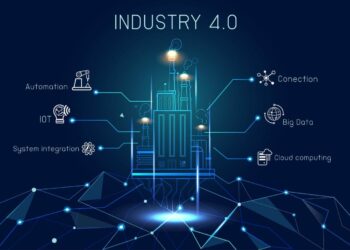
The proliferation of smart home devices—such as smart thermostats, lighting, and security cameras—demonstrates the extensive potential of IoT. By consolidating control of these devices on a single smartphone interface, users experience enhanced convenience, increased energy efficiency, and improved home security. The potential of IoT integration extends into industrial applications as well, where smartphones are employed in monitoring systems, logistics management, and automated processes in manufacturing environments.
Privacy and Security Concerns
Despite the myriad benefits smartphones offer, their pervasive integration into everyday life brings forth important concerns regarding privacy and security. The intimate nature of personal data stored on smartphones raises critical questions about data protection and the potential for security breaches. As smartphone functionalities continue to expand, so too do the methods employed by malicious actors who seek to exploit vulnerabilities.
Modern smartphones incorporate several advanced security features to mitigate these risks. Encrypted storage, biometric authentication, and secure boot processes constitute fundamental aspects of current cybersecurity practices. Nonetheless, it remains imperative for users to remain vigilant, applying regular software updates and employing robust security practices. Educating consumers on how to safeguard their personal information and recognize potential threats is an ongoing challenge that requires cooperation between manufacturers, developers, and users alike.
Future Trends in Smartphone Technology
The future of smartphone technology promises to be as innovative and transformative as its past. Emerging trends indicate that future devices will integrate more advanced AI capabilities, augmented reality (AR) functionalities, and deeper connectivity with IoT devices. The evolution of 5G networks is expected to further enhance the speed and reliability of mobile internet connections, paving the way for even more data-intensive applications and services.
One area likely to witness substantial development is augmented reality. Future smartphones may offer AR experiences that seamlessly blend digital content with the real world, transforming fields such as education, retail, and gaming. Imagine a classroom where interactive, 3D models help elucidate complex scientific concepts or a retail experience where products are virtually “tried on” before purchase—such possibilities are becoming more tangible with every technological breakthrough.
Another potential frontier is the integration of advanced sensor technologies. Future smartphones might include sensors capable of monitoring not just physical activity but also environmental data such as air quality and radiation levels. This expanded sensor suite could empower users to make informed decisions about their surroundings and health while providing valuable data for city planning and environmental research.
Advancements in battery technology and energy management will also be pivotal in shaping the next generation of smartphones. As devices become more powerful, sustaining longer battery life without compromising on performance is a primary challenge that technology developers are actively addressing. Innovative energy-efficient designs and the integration of renewable energy sources may redefine what users expect from portable devices in the near future.
The Societal Impact of Ubiquitous Mobile Technology

The near-universal adoption of smartphones has had a profound impact on global society. With access to a wealth of information and communication channels, individuals are now more empowered than ever before. Social, economic, and cultural dynamics have all been influenced by the widespread use of mobile technology, which continues to bridge divides and foster inclusivity.
At an individual level, smartphones democratize access to education, healthcare, and financial services, particularly in regions that were once underserved by traditional infrastructure. The ability to reach remote communities via mobile platforms opens up possibilities for improved quality of life and socioeconomic growth. Furthermore, the fusion of smartphones with digital currencies and online marketplaces is transforming traditional economic systems, creating new opportunities for entrepreneurship and financial inclusion.
At a societal level, the dynamic interplay of information, culture, and connectivity facilitated by smartphones encourages civic engagement and social activism. Social media and mobile applications have empowered citizens to mobilize, advocate for change, and participate in democratic processes in unprecedented ways. This digital revolution is rewriting the rules of engagement between governments, communities, and the individual, heralding a more participatory and interconnected global society.
Challenges and Considerations for a Mobile-First World
While the benefits of smartphone technology are extensive, a mobile-first world also presents unique challenges. The increased reliance on digital devices necessitates a reexamination of cybersecurity measures, data privacy regulations, and ethical standards in technology use. As personal information becomes more accessible, there exists a critical need for robust policies that protect user data and ensure digital rights are respected in every corner of the globe.
There are also concerns regarding the social and psychological impacts of constant connectivity. The phenomenon of digital overload, characterized by information fatigue and reduced real-world interaction, is prompting researchers and policymakers to consider solutions that promote a healthier balance between digital engagement and offline activities. Initiatives to educate the public about the benefits and pitfalls of continuous smartphone use are essential to foster resilience in an increasingly digital society.
Conclusion
In summary, smartphones have indisputably become the central hub of daily activities, underpinning communication, productivity, entertainment, and social interaction. Their evolution—from basic mobile telephones to sophisticated, multifunctional devices—reflects the dynamic interplay between technological innovation and human needs. With features that support both personal and professional life, smartphones continue to redefine modern society by merging convenience, connectivity, and efficiency into a single device. As technology advances, future smartphones will likely introduce even more groundbreaking features, further integrating themselves into every facet of life while prompting discussions on security, privacy, and digital well-being. In this age of digital transformation, smartphones remain an indispensable tool that not only encapsulates the progress of technology but also charts the course for future societal evolution.
The pervasive influence of smartphones demonstrates that their role is far more profound than facilitating communication. They serve as the nexus for activities ranging from personal health management and financial transactions to educational advancements and business productivity. Their integration into every aspect of our lives underlines the importance of investing in robust cybersecurity measures and ensuring that as our reliance on mobile technology grows, we also cultivate the habits and policies needed to navigate this complex digital ecosystem safely.
With every innovation, smartphones continue to break new ground, offering intuitive interfaces, AI-powered features, and enhanced connectivity that shape the ways in which we work, learn, and interact. Their ability to adapt to changing lifestyles and remain relevant in an increasingly dynamic world is a testament to the ongoing evolution of digital technology and the ingenuity behind modern design and engineering. As we step into a future defined by even greater interconnectivity, the centrality of smartphones in daily activities will only become more pronounced, cementing their status as one of the most transformative inventions of our time.