Why Live Shopping Exploding

The rapid adoption of Live Shopping in Indonesia can be attributed to a unique blend of cultural preferences, technological readiness, and evolving consumer behaviors.
A. Cultural Affinity for Social Interaction and Entertainment:
- Communal Buying: Indonesians, like many in Southeast Asia, have a strong cultural inclination towards social interaction and communal activities, including shopping. Live shopping replicates the lively atmosphere of traditional markets or social gatherings.
- Entertainment Value: Beyond just purchasing, live streams offer engaging content. Hosts act as entertainers, blending product demonstrations with storytelling, humor, and personal anecdotes, making shopping an enjoyable pastime rather than a chore.
- Trust through Personal Connection: Seeing a real person demonstrate a product, answer questions in real-time, and react genuinely fosters a sense of trust and authenticity that static product pages often lack.
B. High Mobile Penetration and Digital Literacy:
- Smartphone First: Indonesia has one of the highest smartphone penetration rates globally, with most internet access occurring via mobile devices. This provides a ready platform for live video consumption and mobile commerce.
- Social Media Savvy: Indonesians are highly active on social media platforms (TikTok, Instagram, Facebook), where live streaming is a native and popular feature. Live shopping leverages these existing habits.
- Digital Payment Readiness: The rapid growth of Digital Payment Gateways and mobile wallets (like GoPay, OVO, Dana) in Indonesia has made instant, secure transactions during live streams seamless and convenient.
C. Immediacy and FOMO (Fear of Missing Out):
- Real-time Interaction: The ability for viewers to ask questions and get immediate answers from the host creates a dynamic, personalized shopping experience.
- Limited-Time Offers: Many live shopping sessions feature exclusive discounts, flash sales, or limited stock, creating a sense of urgency and encouraging impulsive purchases.
- Event-Driven Commerce: Live streams transform shopping into an event, making consumers feel like they’re part of something exclusive and exciting.
D. Addressing E-commerce Pain Points:
- Product Visualization: Live demonstrations allow consumers to see products from multiple angles, understand their size, texture, and functionality in a way static images cannot. This is especially crucial for categories like fashion, beauty, and home goods.
- Credibility and Reviews: The live, unedited nature of the stream adds a layer of credibility. Viewers can see products in action, reducing uncertainty and the need for external reviews.
- Customer Service: Real-time Q&A functionality serves as an immediate customer service channel, helping to resolve doubts instantly.
The Anatomy of a Successful Live Shopping Stream
Behind every captivating Live Shopping session lies a blend of strategic planning, engaging presentation, and robust technological support.
A. Engaging Hosts (Key Opinion Leaders/KOLs and Sales Staff):
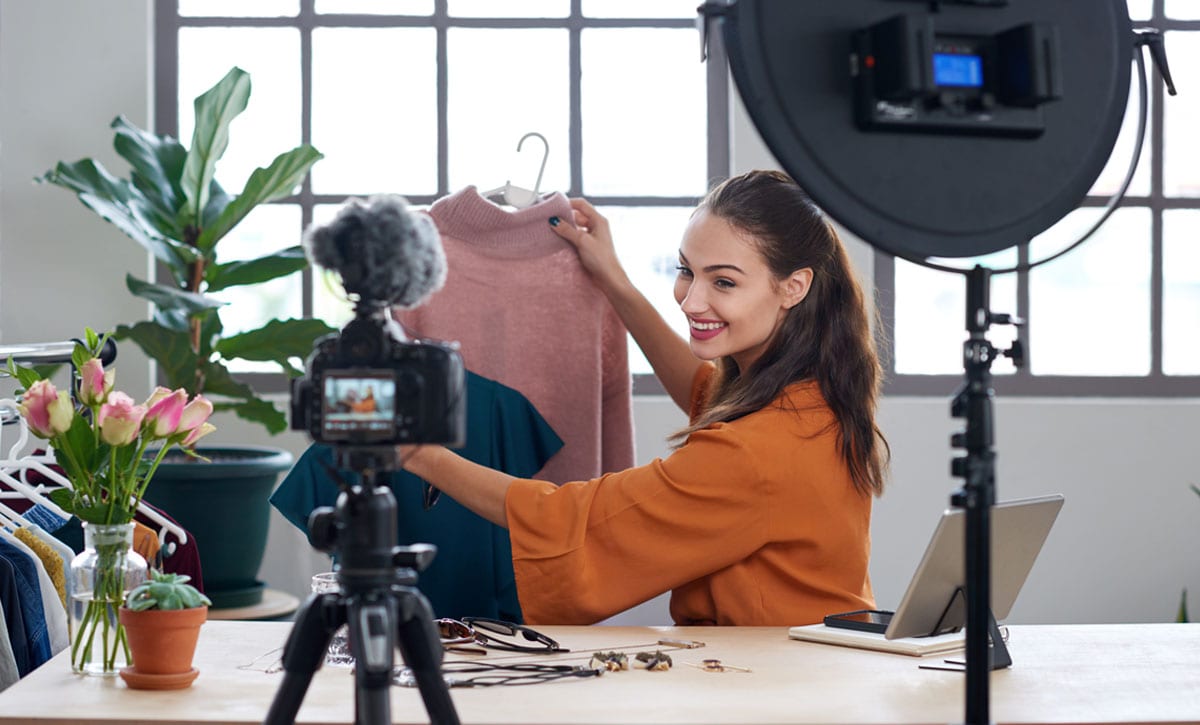
- Charismatic Personalities: The host is the heart of the stream. They need to be charismatic, knowledgeable about the product, and skilled at engaging with the audience.
- Influencer Power: Utilizing popular KOLs or influencers brings their existing loyal audience to the stream, leveraging their trust and reach. This ties into Social Commerce Strategy.
- Authenticity: Viewers respond best to hosts who are genuine, relatable, and passionate, rather than overtly salesy.
- Interaction Management: Hosts must be adept at reading and responding to live comments, asking questions, and fostering a sense of community.
B. Product Curation and Presentation:
- Showcasing Diverse Angles: Products are shown up close, in use, and often compared to alternatives to give a comprehensive view.
- Storytelling: Beyond features, hosts tell stories about the product’s benefits, origin, or how it fits into a lifestyle.
- Problem-Solution Approach: Demonstrating how the product solves a common problem or fulfills a specific need.
- Batching and Sequencing: Products are often grouped or presented in a specific order to maintain flow and build excitement.
C. Technical Setup and Platform Choice:
- Stable Internet Connection: Essential for high-quality, uninterrupted streaming.
- Good Lighting and Audio: Professional lighting and clear audio significantly enhance viewer experience.
- Multi-Camera Angles: Using multiple cameras allows for dynamic shots, close-ups, and varying perspectives.
- Integrated E-commerce Features: The platform must allow for seamless product display, direct “add to cart” buttons, instant checkout, and real-time inventory updates.
- Popular Platforms: In Indonesia, platforms like TikTok Shop, Shopee Live, Tokopedia Play, and Instagram Live are dominant, often leveraging their existing user bases for seamless E-commerce Transformation.
D. Interactive Elements:
- Live Q&A: The core of interactivity, allowing viewers to ask questions and get immediate answers.
- Polls and Quizzes: Engaging viewers with questions related to the product or their preferences.
- Giveaways and Contests: Running live contests or lucky draws to boost engagement and incentivize watching.
- Comment Pinning: Highlighting relevant viewer comments or questions to ensure visibility.
E. Promotional Strategy:
- Pre-event Hype: Promoting the live session across social media, email newsletters, and in-app notifications to build anticipation.
- Cross-Promotion: Collaborating with other brands or influencers to expand reach.
- Post-event Follow-up: Sharing highlights, replays, and continuing to promote products featured in the live session.
The Impact of Live Shopping

The rise of Live Shopping is not just a passing trend; it’s having a profound and lasting impact on how retail operates, pushing boundaries for Omnichannel Retail ID and customer engagement.
A. Boost for E-commerce Growth:
- Increased Conversion Rates: Live shopping often boasts significantly higher conversion rates compared to traditional e-commerce, driven by urgency and interactivity.
- Higher Average Order Value (AOV): The engaging nature of live streams can encourage impulse buys and lead to larger basket sizes.
- New Customer Acquisition: Attracts new segments of customers, particularly those who prefer more interactive and social shopping experiences.
B. Empowering Micro, Small, and Medium Enterprises (MSMEs):
- Low Barrier to Entry: MSMEs can leverage existing social media platforms to conduct live sales without needing extensive e-commerce infrastructure.
- Direct Customer Connection: Enables small businesses to build direct relationships with their customers, gather immediate feedback, and build brand loyalty.
- Showcasing Unique Products: Provides a dynamic platform for artisanal products, handmade goods, or niche items that might struggle on static product pages.
- Leveraging Local Talent: Opens opportunities for local content creators and hosts to collaborate with MSMEs.
C. Driving Social Commerce and Community Building:
- Seamless Integration: Blurs the lines between social media, entertainment, and shopping, creating a holistic experience. This solidifies Social Commerce Strategy.
- Community Engagement: Live streams foster a sense of community among viewers who share interests and interact with both the host and each other.
- User-Generated Content: Viewers’ comments and reactions become part of the content, adding to its authenticity.
D. Enhancing Brand Engagement and Loyalty:
- Real-time Feedback: Brands receive immediate insights into consumer preferences, questions, and pain points, allowing for agile adjustments to product development or marketing strategies.
- Personalized Interactions: Direct interaction with customers builds stronger relationships and fosters brand loyalty.
- Brand Storytelling: Live sessions provide an authentic platform to share brand stories, values, and behind-the-scenes glimpses.
E. Innovation in Logistics and Fulfillment:
- Quick Commerce Trends: The demand for immediate gratification from live shopping is accelerating the development of Quick Commerce Trends and faster delivery solutions (e.g., within hours or same-day delivery).
- Efficient Order Processing: Platforms are optimizing backend systems to handle spikes in orders generated during live events. This drives demand for Logistics Tech Solutions.
Challenges and Future Trajectories in Live Shopping
While the growth of Live Shopping is undeniable, it also faces challenges and is poised for significant evolution.
A. Quality and Consistency:
- Content Fatigue: With so many live streams, maintaining high-quality, engaging content consistently can be a challenge.
- Technical Glitches: Internet instability or platform issues can disrupt streams and negatively impact user experience.
- Solutions: Investment in professional production quality, dedicated content teams, and robust technical infrastructure.
B. Returns and Refunds:
- Impulse Purchases: The immediate nature of live shopping can lead to impulse buys that consumers later regret, potentially increasing return rates.
- Authenticity Concerns: Ensuring products delivered match the live demonstration.
- Solutions: Clear return policies, high-quality product descriptions, and ethical hosting practices.
C. Regulatory Landscape:
- Consumer Protection: As live shopping grows, regulations regarding product claims, pricing, and consumer data protection will evolve.
- Taxation: Clarifying taxation for sales generated through live streams.
- Solutions: Collaboration between platforms, brands, and regulators to establish fair and transparent practices.
D. Measurement and Analytics:
- Attribution Challenges: Accurately attributing sales directly to live streams and understanding ROI can be complex.
- Solutions: Advanced analytics tools that provide granular data on viewership, engagement, and conversion paths.
E. Future Trajectories:
- AI-Powered Personalization: AI will play a greater role in recommending personalized live streams to viewers based on their preferences and past behavior, enhancing Personalized Shopping AI.
- Virtual and Augmented Reality Integration: Immersive technologies could allow viewers to “try on” clothes virtually or see products in their own homes during a live stream.
- Cross-Platform Integration: More seamless integration of live shopping across various social media, e-commerce, and even metaverse platforms.
- Interactive Features: Development of more sophisticated interactive elements beyond basic chat, potentially including mini-games, virtual try-ons, or collaborative purchasing.
- B2B Live Shopping: While currently dominated by B2C, live shopping could see growth in the B2B space for showcasing industrial products or services. This hints at the broader B2B E-commerce Growth.
- Sustainable Live Shopping: An increasing focus on promoting Sustainable E-commerce practices within live sessions, from highlighting eco-friendly products to transparently discussing supply chains.
Conclusion
The explosion of Live Shopping is a powerful testament to the nation’s digital dynamism and its eagerness to embrace innovative retail experiences. It’s a phenomenon that transcends traditional e-commerce, offering a unique blend of entertainment, instant gratification, and genuine human connection. From empowering small businesses to providing consumers with a rich, interactive shopping journey, live commerce is profoundly reshaping Indonesia’s retail landscape.
As the lines between content and commerce continue to blur, driven by advanced Personalized Shopping AI and robust Logistics Tech Solutions, live shopping is poised for even greater integration into our daily lives. While challenges remain in scalability and regulation, the undeniable momentum of this trend confirms that the future of retail is vibrant, immediate, and undeniably live. For brands and consumers alike, Live Shopping is not just a way to buy and sell; it’s a new way to connect, engage, and experience the thrill of discovery in real-time.