In the increasingly complex world of modern commerce, simply having an online store and a physical shop is no longer enough. Consumers today expect a fluid, consistent, and personalized shopping journey, regardless of how they choose to interact with a brand. This evolving expectation is the driving force behind Omnichannel Retail, a strategic approach that unifies all customer touchpoints – online, offline, mobile, social, and more – into a single, cohesive experience. Omnichannel Retail: Seamless Shopping Experience is not just a buzzword; it’s the imperative for businesses striving to meet the demands of the modern consumer, fostering loyalty, and driving growth in competitive markets like Indonesia. It’s about putting the customer at the very heart of every interaction, making their journey effortless and intuitive.
What is Omnichannel?
While often used interchangeably, Omnichannel differs significantly from its predecessor, Multichannel. The distinction lies in the customer’s perspective and the integration of touchpoints.
A. Multichannel vs. Omnichannel:
- Multichannel: A business has multiple sales and communication channels (e.g., a physical store, an e-commerce website, social media, a call center). However, these channels often operate independently, with limited or no data sharing between them. A customer’s experience might be fragmented; for example, their online cart isn’t accessible in-store.
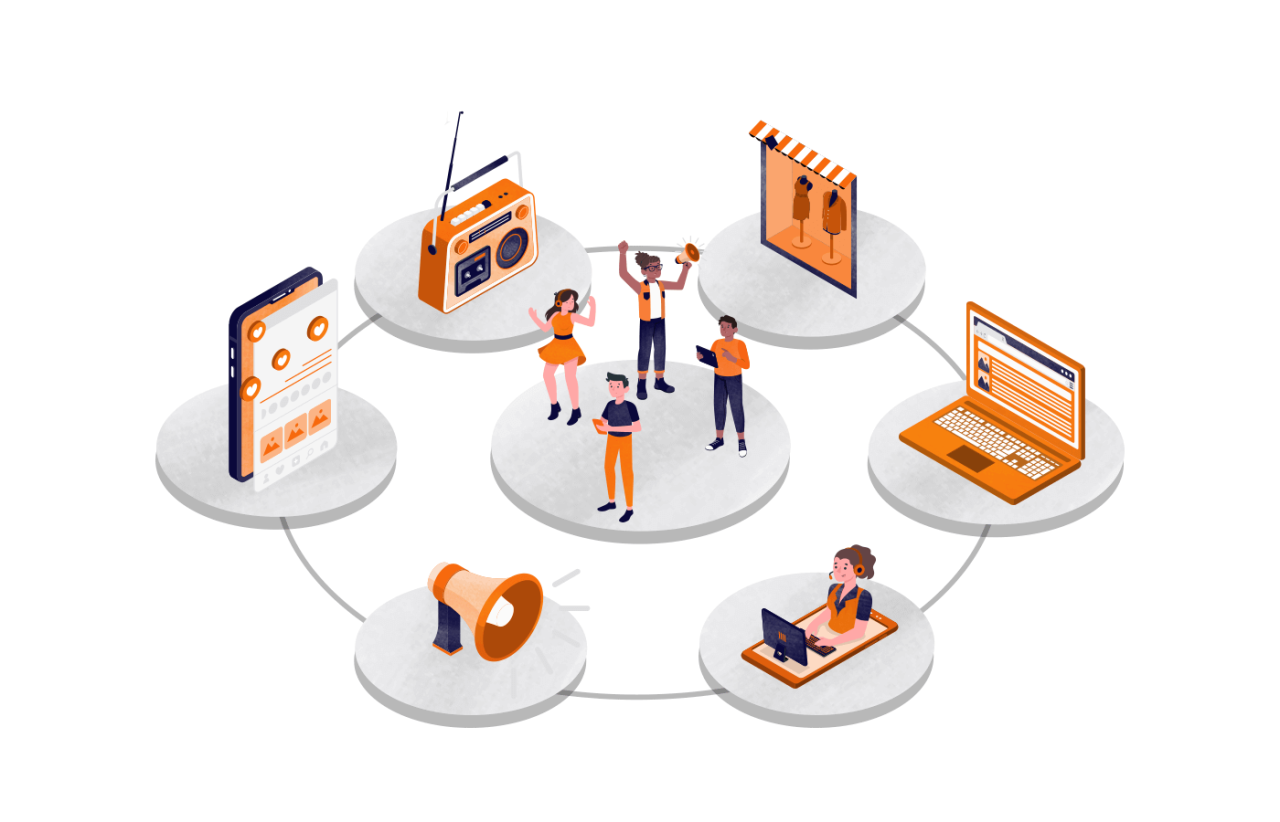
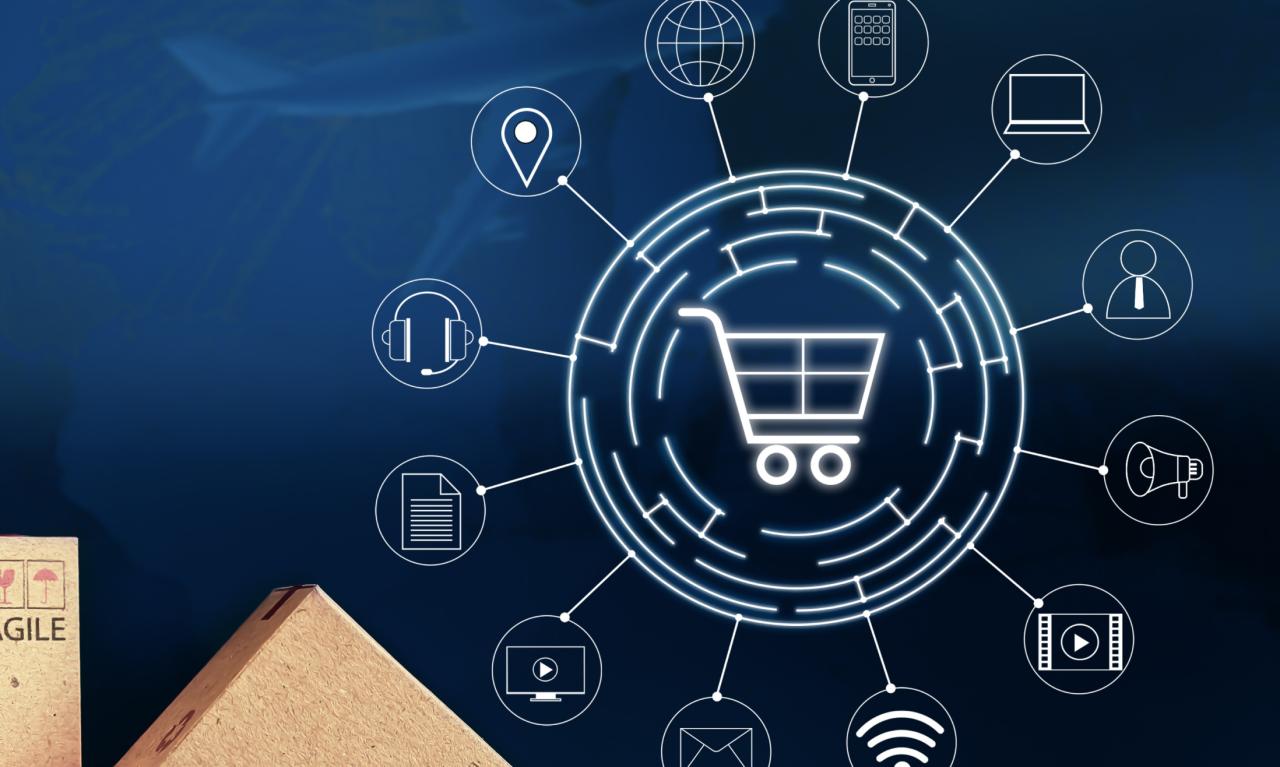
- Omnichannel: All channels are integrated and work together seamlessly, providing a unified and consistent customer experience. The customer’s journey is prioritized, allowing them to start an interaction on one channel and seamlessly continue it on another. The brand’s systems recognize the customer across all touchpoints, remembering their preferences and past interactions.
B. Core Tenets of Omnichannel Retail:
- Customer-Centricity: The foundational principle is to design the entire retail ecosystem around the customer’s journey, not around internal departmental silos.
- Unified Data: A single, centralized view of customer data (purchase history, preferences, interactions) accessible across all channels. This eliminates friction and enables personalized experiences.
- Consistent Brand Experience: Regardless of the channel, the brand voice, visual identity, product information, and pricing remain consistent.
- Seamless Transitions: Customers can move effortlessly between channels without having to repeat information or start over. Examples include:
- Adding an item to a cart on a mobile app and completing the purchase on a desktop.
- Researching a product online, checking its availability in a nearby physical store, and then picking it up there.
- Receiving a personalized offer via email based on in-store Browse history.
C. Why the Shift to Omnichannel is Critical:
- Evolving Consumer Expectations: Modern consumers, particularly in digitally savvy markets like Indonesia, expect convenience and personalization. They assume brands know their history regardless of the channel.
- Increased Customer Lifetime Value (CLTV): Customers who engage with brands across multiple channels tend to be more loyal, spend more, and have a higher CLTV.
- Competitive Advantage: Businesses that offer superior omnichannel experiences stand out in crowded markets.
- Data Insights: The unified data generated by omnichannel operations provides invaluable insights into customer behavior, allowing for better strategic decisions and targeted marketing.
Essential Components of an Omnichannel Strategy
Implementing a true omnichannel approach requires a significant investment in technology, process re-engineering, and a culture shift within the organization.
A. Unified Customer Relationship Management (CRM) System:
- Single Customer View: This is the cornerstone. A robust CRM system collects and consolidates all customer interactions, preferences, purchase history, and communication across every channel (online, in-store, call center, social media).
- Real-time Updates: Data must be updated in real-time, ensuring that customer service agents, sales associates, and marketing teams always have the most current information.
- Personalization Engine: The CRM powers personalized recommendations, targeted marketing campaigns, and relevant customer service interactions based on deep customer insights.
B. Integrated Inventory Management System:
- Real-time Inventory Visibility: Customers and staff can see accurate, real-time stock levels across all locations (stores, warehouses, distribution centers). This is crucial for services like “buy online, pick up in-store” (BOPIS) or “ship from store.”
- Optimized Fulfillment: Enables flexible fulfillment options, such as shipping from the closest store, fulfilling online orders from a central warehouse, or allowing in-store returns for online purchases.
- Reduced Stockouts and Excess Inventory: Better visibility leads to more efficient inventory allocation, minimizing lost sales due to stockouts and reducing holding costs from excess inventory. This is vital for Quick Commerce Trends where inventory accuracy is paramount.
C. Seamless E-commerce Platform:
- Responsive Design: An e-commerce website or app that provides a consistent and optimal viewing and shopping experience across all devices (desktop, tablet, mobile).
- Personalized Content: Dynamic content and product recommendations based on Browse history, purchase patterns, and declared preferences, often powered by Personalized Shopping AI.
- Easy Navigation and Checkout: Intuitive user interface and a streamlined checkout process that supports various Digital Payment Gateways and shipping options.
- Integrated Customer Service: Chatbots, live chat, and easy access to customer support channels directly from the platform.
D. Empowered Physical Stores:
- In-Store Technology: Equipping store associates with tablets or mobile devices to access real-time inventory, customer profiles (from the CRM), and product information to assist shoppers.
- BOPIS (Buy Online, Pick Up In-Store) and Curbside Pickup: Offering convenient pickup options that blend online purchasing with offline retrieval.
- Ship from Store: Turning physical stores into mini-distribution centers to fulfill online orders, especially for local deliveries.
- Experiential Zones: Transforming stores into brand experience centers, consultation hubs, or showrooms, rather than just transaction points. This aligns with Experiential Travel Future where physical spaces offer more than just transactions.
E. Robust Logistics and Fulfillment Network:
- Efficient Last-Mile Delivery: Partnering with or developing solutions for fast and reliable last-mile delivery, crucial for meeting customer expectations from an Omnichannel Retail ID strategy.
- Returns Management: A streamlined and customer-friendly returns process, allowing returns across any channel (e.g., online purchase returned in-store).
- Logistics Tech Solutions: Implementing technology for route optimization, real-time tracking, and warehouse automation to ensure efficient and timely delivery.
F. Unified Communication Channels:
- Consistent Messaging: Ensuring brand voice, promotional offers, and customer service responses are consistent across all communication channels (email, SMS, push notifications, social media, in-app messages).
- Personalized Communication: Leveraging CRM data to send highly relevant messages, avoiding generic blasts.
- Social Commerce Integration: Integrating social media platforms directly into the omnichannel strategy, including features like Live Shopping Indonesia and shoppable posts, transforming social interactions into direct sales opportunities.
The Benefits of Omnichannel Retail
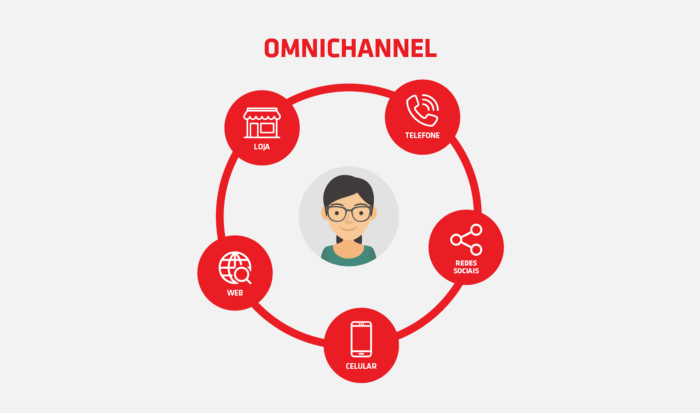
Adopting a robust omnichannel strategy yields significant benefits that directly impact a business’s bottom line, customer loyalty, and overall market position.
A. Enhanced Customer Experience and Loyalty:
- Seamless Journey: Customers appreciate the convenience and personalization, leading to higher satisfaction levels.
- Increased Retention: Satisfied customers are more likely to become repeat buyers and loyal brand advocates.
- Stronger Relationships: Consistent interactions across channels foster deeper emotional connections with the brand.
B. Increased Sales and Revenue:
- Higher Conversion Rates: A smooth shopping journey reduces friction points, leading to more completed purchases.
- Larger Basket Sizes: Customers engaging across multiple channels tend to spend more per transaction.
- Reduced Cart Abandonment: Streamlined processes and consistent data reduce reasons for customers to abandon their carts.
- New Revenue Streams: Omnichannel strategies can open up new revenue opportunities through various fulfillment models (BOPIS, ship from store).
C. Improved Operational Efficiency:
- Optimized Inventory: Real-time inventory visibility reduces stockouts, minimizes overstocking, and improves inventory turnover.
- Streamlined Processes: Integrating systems eliminates manual data entry, reduces errors, and automates various tasks, leading to greater operational efficiency.
- Better Resource Allocation: Data insights help businesses allocate resources (staff, marketing spend) more effectively where they will have the greatest impact.
D. Richer Data and Analytics:
- Holistic Customer Insights: A unified data view provides a comprehensive understanding of customer behavior across all touchpoints, enabling more accurate segmentation and targeting.
- Performance Tracking: Better data allows for more precise measurement of campaign effectiveness, channel performance, and ROI.
- Predictive Capabilities: Leveraging data for Personalized Shopping AI and predictive analytics to forecast demand, personalize offers, and anticipate customer needs.
E. Stronger Brand Equity:
- Consistent Brand Image: Maintaining a unified brand message and experience across all channels reinforces brand identity and strengthens recognition.
- Reputation Management: A seamless customer experience leads to positive word-of-mouth and better online reviews.
- Market Leadership: Brands excelling in omnichannel set themselves apart from competitors, positioning themselves as industry leaders.
Challenges and Implementation Considerations
While the benefits are compelling, transitioning to an omnichannel model is a complex undertaking that presents various challenges.
A. Data Silos and Integration Complexity:
- Legacy Systems: Many businesses operate with disparate legacy systems that don’t easily communicate, leading to fragmented data.
- Integration Challenges: Integrating various technologies (CRM, ERP, e-commerce platform, POS) requires significant technical expertise and resources.
- Solution: Invest in a robust integration platform (iPaaS) or a single, unified commerce platform. Prioritize data cleanliness and establish clear data governance policies.
B. Organizational Silos and Culture Shift:
- Departmental Barriers: Traditionally, online and offline teams operate independently, with different KPIs and reporting structures.
- Resistance to Change: Employees may resist new processes or technologies that alter their roles.
- Solution: Foster a customer-centric culture across the entire organization. Break down departmental silos through cross-functional teams, shared KPIs, and comprehensive training. Leadership buy-in is crucial.
C. Cost and Resource Investment:
- Technology Investment: Implementing new software, hardware, and integration layers can be expensive.
- Training and Development: Significant investment in training staff across all channels to adapt to new systems and customer-centric processes.
- Solution: Start with a phased approach, focusing on integrating the most critical customer touchpoints first. Demonstrate ROI from early wins to secure further investment.
D. Inventory Management Complexity:
- Real-time Accuracy: Maintaining real-time, accurate inventory across all physical and digital locations is a major logistical challenge.
- Order Fulfillment Logic: Developing sophisticated logic to determine the most efficient fulfillment location for each order (e.g., closest store, fastest warehouse).
- Solution: Implement advanced inventory management systems and consider micro-fulfillment centers. Embrace Logistics Tech Solutions to optimize the supply chain.
E. Measuring ROI and Performance:
- Complex Attribution: Attributing sales and customer value to specific channels within an omnichannel journey can be complex.
- New Metrics: Requires tracking new metrics beyond traditional channel-specific KPIs to assess the holistic customer journey.
- Solution: Utilize advanced analytics tools that track customer journeys across touchpoints. Focus on customer lifetime value (CLTV) and overall brand engagement.
The Future of Omnichannel Retail
The evolution of Omnichannel Retail is ongoing, constantly adapting to new technologies and consumer behaviors. The future promises an even more seamless, intuitive, and personalized shopping experience, especially as Digital Economy Growth continues its rapid pace in Indonesia.
A. Hyper-Personalization and Predictive Analytics:
- AI-Driven Customization: Leveraging advanced AI and machine learning to predict customer needs, anticipate purchases, and deliver highly personalized recommendations and offers across all channels in real-time. This is the epitome of Personalized Shopping AI.
- Contextual Marketing: Delivering messages that are highly relevant to the customer’s current context (e.g., location, time of day, current Browse behavior).
B. Immersive Experiences with AR/VR:
- Virtual Try-Ons: Augmented Reality (AR) allowing customers to virtually try on clothes or see furniture in their homes before purchasing.
- Virtual Showrooms: Virtual Reality (VR) creating immersive shopping environments online that mimic the physical store experience.
- Metaverse Integration: As the metaverse evolves, brands will explore creating integrated shopping experiences within these virtual worlds, seamlessly linked to their physical and web stores.
C. AI-Powered Customer Service:
- Intelligent Chatbots: Sophisticated AI chatbots providing instant, personalized support across websites, apps, and social media, handling complex queries and escalating to human agents when necessary.
- Proactive Support: AI predicting potential customer issues and proactively offering solutions.
D. Continued Blurring of Online and Offline:
- “Phygital” Experiences: The emergence of truly blended “phygital” retail spaces where physical stores leverage digital technology to enhance the in-store experience, and online platforms seamlessly guide customers to physical interactions.
- IoT in Retail: Internet of Things (IoT) devices (smart shelves, connected displays) providing real-time data on customer behavior in physical stores, linking it to their online profiles.
E. Sustainable Omnichannel Practices:
- Eco-Friendly Logistics: Optimizing delivery routes and packaging to reduce environmental impact.
- Transparency in Supply Chains: Using blockchain and other technologies to provide customers with full traceability of products, supporting Sustainable E-commerce initiatives.
- Green Returns: Streamlining returns processes to minimize waste and facilitate recycling.
Conclusion
The era of Omnichannel Retail: Seamless Shopping Experience is upon us, fundamentally redefining the competitive landscape. In markets like Indonesia, where digital adoption is high and consumers are increasingly sophisticated, brands that fail to embrace a unified customer journey risk being left behind. It’s no longer about whether a customer shops online or offline, but about providing them with the freedom to choose any path, seamlessly transitioning between them, and receiving a consistently excellent experience every step of the way.
By dismantling internal silos, integrating technology, and relentlessly focusing on the customer, businesses can unlock unparalleled growth, foster deep loyalty, and build a resilient retail model for the future. The customer journey is the new battlefield for retail dominance, and those who master the art of omnichannel will undoubtedly emerge as the victors in this ever-evolving commerce revolution.