Artificial Intelligence (AI) has rapidly become a cornerstone in reshaping the way we interact with technology. Today, AI-driven systems are woven into the fabric of our daily digital experiences, revolutionizing industries, enhancing user interfaces, and streamlining operations. From personalized recommendations on streaming platforms to sophisticated virtual assistants that manage our daily schedules, AI has moved from a futuristic concept to an everyday reality. This article provides an extensive overview of how AI is transforming our interactions with digital technology, exploring its impact on communication, business, healthcare, education, and entertainment. By examining current trends and future prospects, we aim to provide a comprehensive understanding of the ways in which AI influences our digital lives.
AI in Customer Service and Communication
One of the most visible manifestations of AI is in customer service. Companies across the globe have embraced chatbots and virtual assistants to manage customer inquiries, streamline support services, and provide instantaneous assistance. These AI tools are capable of processing natural language, recognizing patterns in user queries, and delivering tailored responses. As a result, businesses are experiencing enhanced customer satisfaction, faster response times, and reduced operational costs.
For instance, modern AI chatbots employ Natural Language Processing (NLP) algorithms to understand nuanced questions and context-specific needs. This enables them to offer solutions in various languages and cultural contexts. The advancements in machine learning mean that these systems continually improve over time by learning from previous interactions. A comprehensive AI-based customer service framework can be broken down as follows:
A. Natural Language Understanding: Identifies the semantic meaning behind text inputs.
B. Dialogue Management: Determines the most appropriate response in a conversation.
C. Response Generation: Crafts replies that match the conversational tone and content accurately.
Beyond customer service, AI is revolutionizing digital communications. Voice assistants like Siri, Alexa, and Google Assistant not only schedule appointments and answer queries but also provide seamless integration with smart home devices. These assistants enable users to control various aspects of their environment—such as lighting, temperature, and security systems—using voice commands. The convenience of being able to interact with technology through natural language drives a significant improvement in quality of life.
Impact on E-Commerce and Personalized Experiences
E-commerce platforms benefit immensely from AI, which is employed to analyze consumer behavior, recommend products, and optimize the overall online shopping experience. AI algorithms mine massive datasets to uncover trends and insights, subsequently delivering personalized content to users. These recommendations are based on previous search histories, purchase behavior, and even social media activity. As a result, online stores can offer curated shopping experiences that resonate strongly with individual customers.
This dynamic transformation is supported by multiple pillars:
A. Data Analytics: AI tools analyze large volumes of data to understand individual user preferences and market trends.
B. Predictive Modeling: Forecasts consumer demands and predicts product preferences.
C. Personalization Engines: Deliver customized content and advertising strategies, ensuring that each customer interacts with a tailored interface that highlights products and services relevant to them.
In addition to personalized advertising and product recommendations, AI is also instrumental in improving logistics and supply chain management for e-commerce companies. By predicting inventory needs and optimizing delivery routes, businesses can operate more efficiently, thereby reducing costs and ensuring a superior customer experience.
The AI Revolution in Healthcare
The healthcare industry has embraced AI with enthusiasm, resulting in groundbreaking improvements in diagnostics, treatment, and patient care. AI-powered diagnostic tools can analyze medical imagery with unprecedented accuracy and speed. These systems assist radiologists by flagging potential abnormalities in imaging studies such as X-rays, CT scans, and MRIs. Furthermore, AI is being used to predict disease outbreaks by analyzing patterns and trends in large datasets, thus enabling public health officials to plan preventive measures more effectively.
In digital health applications, AI contributes significantly to personalized medicine. By leveraging genetic information and patient history, AI systems help identify the most effective treatments tailored to individual patients. The transformation of healthcare through AI can be organized into several key aspects:
A. Diagnostic Accuracy: Enhanced by machine learning algorithms that minimize human error in interpreting medical data.
B. Predictive Analytics: Uses historical health data to forecast disease progression and patient outcomes.
C. Robotic Surgery: AI-driven surgical systems assist surgeons during complicated procedures by providing real-time data and precision control.
Additionally, AI-powered wearable technology gathers health metrics in real time. Devices such as smartwatches monitor heart rate, physical activity, and even sleep patterns. These data points are then processed to offer insights into overall well-being and to alert users and healthcare providers of potential health risks before they become critical.
Advancements in Education Through AI
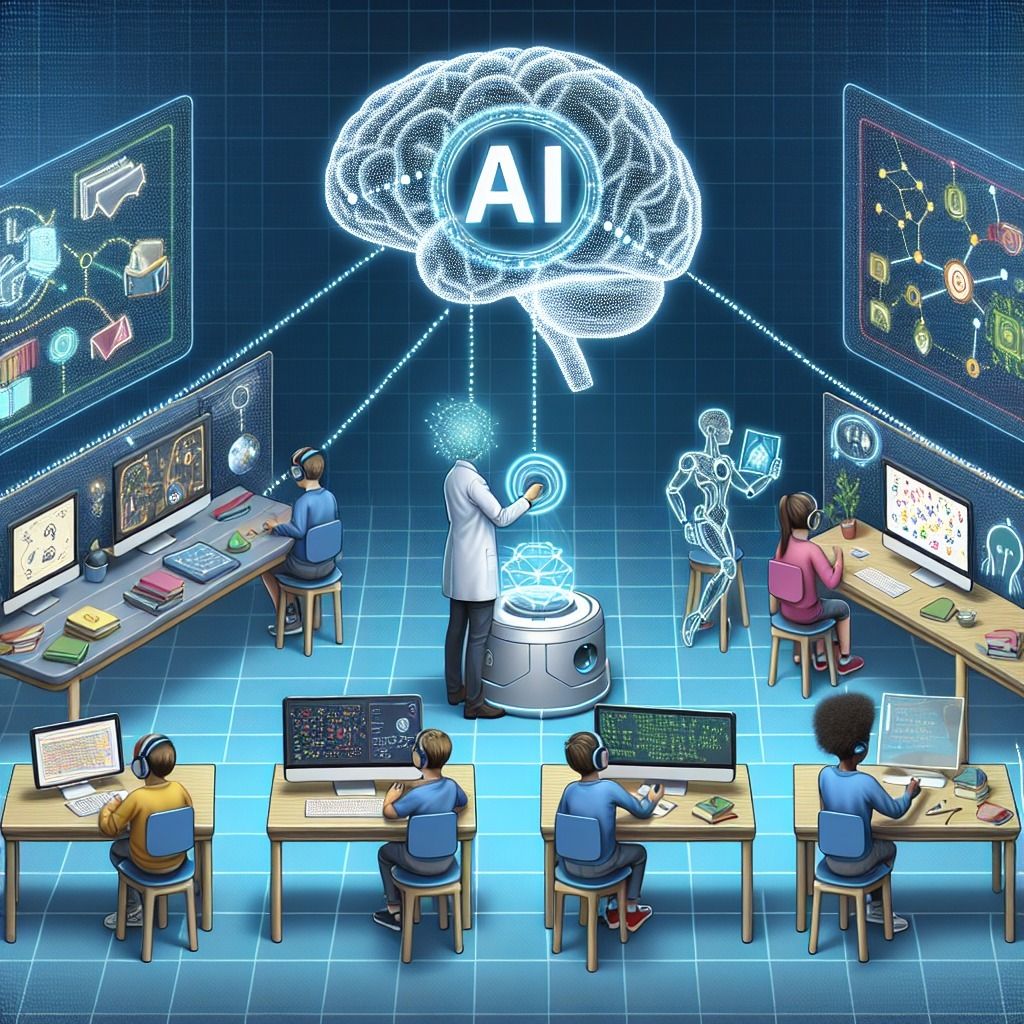
AI is also reshaping the educational landscape by facilitating adaptive learning systems, personalized tutoring, and efficient administrative processes. These intelligent systems analyze students’ learning patterns, strengths, and weaknesses to provide content tailored to their needs. As a result, students can learn at their own pace and receive individualized support that traditional classroom environments often struggle to deliver.
Educational platforms now integrate interactive AI-driven features that track student progress and offer real-time feedback. Some of the most significant benefits include:
A. Customized Curriculum: Learning paths are adjusted to suit individual academic needs.
B. Automated Assessments: AI systems create dynamic tests that adjust in difficulty based on the performance of the student.
C. Virtual Mentors: Chatbots and digital assistants serve as supplementary resources to help students understand complex subjects.
Moreover, educational institutions are harnessing AI to improve administrative tasks. Automated systems streamline enrollment, grading, and feedback processes, thereby allowing educators more time to focus on teaching and mentoring students. The integration of AI in education not only enhances learning outcomes but also democratizes access to high-quality education by providing resources regardless of geographic or socioeconomic barriers.
Entertainment and Media Transformation
The impact of AI in the realm of entertainment cannot be overstated. Streaming services, online gaming, and digital content platforms are increasingly relying on AI algorithms to engage audiences. AI curates personalized content suggestions based on viewing history and preferences, ensuring that users are constantly presented with content that aligns with their tastes. This personalized approach has been a significant factor in the success of major streaming platforms.
In digital gaming, AI is used to create more immersive and responsive environments. Non-player characters (NPCs) powered by AI exhibit behaviors that adapt to player actions, making the gaming experience more engaging and realistic. Furthermore, AI is being leveraged in content creation such as music, art, and film editing. The creative potential of AI extends to generating novel artistic expressions that would have been unthinkable a few decades ago.
To summarize the advancements in entertainment by AI:
A. Content Personalization: AI algorithms determine user preferences to suggest relevant content.
B. Enhanced Interactivity: Interactive platforms use AI to create adaptive game environments and storylines.
C. Creative Collaboration: AI tools assist in composing music, creating digital art, and editing films, contributing to innovative artistic endeavors.
AI in Digital Marketing
Digital marketing has experienced a seismic shift due to the emergence of AI. Marketers now have the ability to create highly targeted campaigns that reach the right audience at precisely the right moment. AI-powered tools analyze vast pools of consumer data to optimize ads and content in real time. This enables brands to engage consumers more effectively and measure the impact of their marketing efforts with greater accuracy.
The transformation in digital marketing through AI involves several stages:
A. Customer Segmentation: AI categorizes audiences based on behavior, demographics, and purchasing patterns.
B. Dynamic Content Generation: Automated systems produce personalized marketing materials tailored to individual consumers.
C. Real-Time Analytics: Continuous monitoring and analysis provide insights that refine ongoing campaigns, ensuring maximum engagement and conversion rates.
Furthermore, AI-driven social media analytics tools help identify trending topics and consumer sentiment. By understanding what content resonates with audiences, marketers can adapt their strategies and stay ahead of competitors. This evolution in digital marketing not only drives higher engagement but also leads to improved conversion metrics and a better return on investment (ROI).
Enhancing Cybersecurity with AI
As our digital lives become increasingly intertwined with online services, cybersecurity has emerged as a critical concern. AI plays a vital role in fortifying digital infrastructures by detecting anomalies and preventing potential cyber threats. Machine learning models can analyze network traffic in real time, flagging suspicious behaviors that could indicate security breaches.
AI is capable of processing vast amounts of data and learning from historical cyber incidents. This enables cybersecurity systems to predict and mitigate risks before they escalate into full-blown attacks. The application of AI in cybersecurity can be explained as follows:
A. Anomaly Detection: AI systems monitor and identify deviations from typical network behavior.
B. Threat Intelligence: Advanced algorithms analyze emerging threats based on global cyber incident data.
C. Automated Response: In the event of an attack, AI-driven systems can initiate countermeasures instantaneously, reducing the potential damage.
Moreover, AI technologies facilitate continuous monitoring of systems and networks. This not only helps in early detection of potential threats but also assists organizations in maintaining compliance with various regulatory standards. The integration of AI in cybersecurity represents a proactive approach to protecting digital assets in an increasingly complex cyber environment.
The Role of AI in Financial Services
The financial sector has been significantly influenced by the incorporation of AI into its operations. Financial institutions use AI to enhance fraud detection, optimize trading strategies, and improve customer service. Advanced algorithms analyze transactional data to identify patterns that may indicate fraudulent activities, thereby safeguarding financial assets and customer information.
AI is also pivotal in algorithmic trading, where it processes vast quantities of market data to make split-second investment decisions. These systems can analyze historical trends, predict market fluctuations, and execute trades with higher precision than human traders. In personal finance, virtual assistants powered by AI help consumers manage budgets, monitor spending, and provide tailored financial advice based on individual circumstances.
The transformation in financial services through AI is multi-layered:
A. Fraud Detection: Machine learning models detect anomalies in financial transactions to prevent fraud.
B. Algorithmic Trading: AI analyzes market data to execute rapid and informed trading decisions.
C. Personalized Financial Services: Tailored financial advice is provided through AI-driven chatbots and digital interfaces.
In addition to these benefits, AI’s predictive capabilities also help financial institutions manage risk. By modeling economic scenarios and stress testing portfolios, AI-based systems contribute to more resilient financial planning and risk mitigation. This symbiosis between AI and finance is creating a new era of financial services that are more adaptive, transparent, and efficient.
Future Prospects of AI and Digital Transformation
Looking ahead, the integration of AI into digital ecosystems is expected to deepen further as technology continues to evolve. Advances in deep learning, neural networks, and quantum computing hold the promise of even more sophisticated AI solutions that can tackle complex problems with ease. Researchers and industry experts predict that the next phase of AI development will include improved general intelligence systems that can seamlessly integrate multiple facets of digital life.
Emerging trends in AI are already hinting at future possibilities:
A. AI-Driven Smart Cities: Urban infrastructures will rely on AI to enhance transportation, energy management, and public safety.
B. Augmented Reality (AR) and Virtual Reality (VR) Integration: AI will further blend digital experiences with physical environments, creating immersive environments for work, learning, and leisure.
C. Enhanced Human-AI Collaboration: Future AI systems are likely to act as co-creators in various industries, augmenting human creativity and productivity.
The democratization of AI is another trend that could have far-reaching impacts. With the development of user-friendly platforms, small businesses and individuals will gain access to sophisticated AI tools once reserved for large enterprises. This technological diffusion is anticipated to spur innovation across various sectors, leveling the playing field and fostering a more inclusive digital economy.
Integrating AI in Daily Life: Practical Use Cases
As AI continues to permeate our lives, its practical applications are becoming more diverse. Consider the following use cases that highlight how AI has been integrated into everyday routines:
A. Smart Homes: AI manages home automation systems by regulating lighting, temperature, and security measures. Voice-controlled devices allow residents to perform tasks such as ordering groceries or adjusting home environments with minimal effort.
B. Healthcare Apps: Smartphone applications utilize AI to monitor health metrics, schedule virtual doctor visits, and deliver personalized wellness advice based on user data.
C. Transportation: Ride-sharing and navigation apps use AI algorithms to optimize routes, predict traffic patterns, and enhance overall commuting efficiency.
D. Remote Work: AI-powered project management tools streamline collaboration, track productivity, and automate routine tasks, which is particularly relevant in the era of remote work accelerated by the global pandemic.
E. Financial Management: Digital budgeting tools leverage AI to analyze spending behavior, offer savings advice, and even suggest optimal investment strategies based on individual financial goals.
These applications not only improve efficiency and convenience but also empower users to achieve a better work-life balance by offloading mundane tasks to intelligent systems.
Challenges and Ethical Considerations in AI Adoption
While the transformative power of AI is undeniable, it is essential to recognize the challenges and ethical considerations that come with its widespread adoption. One of the primary concerns is data privacy. As AI systems rely heavily on large datasets to generate insights and drive decisions, ensuring that sensitive user data remains secure is paramount. Robust data governance and adherence to privacy regulations are necessary to maintain public trust.
Another challenge is the risk of algorithmic bias. AI systems, if not carefully designed and monitored, can inadvertently perpetuate existing biases by reflecting patterns present in historical data. This could lead to discrimination in areas such as hiring, lending, and law enforcement. Addressing algorithmic bias requires continuous evaluation and the implementation of fair and transparent AI practices.
The ethical dimensions of AI also extend to job displacement. Automation powered by AI is expected to replace certain manual and repetitive jobs, leading to concerns over unemployment and economic inequality. It is crucial for policymakers, industries, and educational institutions to collaborate in creating programs that reskill workers and prepare them for a future where human and machine collaboration is the norm.
Practical steps to mitigate these challenges include:
A. Implementing Strict Data Protection Measures: Enforce encryption, anonymization, and secure data storage practices.
B. Conducting Regular Audits for Bias: Evaluate algorithms periodically to ensure fairness and transparency.
C. Investing in Workforce Reskilling: Create educational programs that help workers transition into new roles that complement AI technologies.
The Societal Impact of AI

Beyond the direct technological applications, AI is influencing broader societal trends. As digital platforms become more personalized and efficient, there is a notable shift in how communities interact, access information, and form social networks. AI algorithms determine the content that users see on social media platforms and news websites, which in turn shapes public opinion and cultural trends.
This influence carries significant weight, as it can lead to both positive outcomes—such as improved access to information and enhanced community engagement—and challenges, including echo chambers and the potential spread of misinformation. Balancing the benefits with the risks requires a concerted effort from technology providers, regulatory bodies, and end users alike.
Conclusion
The digital revolution spurred by AI is redefining the boundaries of what is possible in our daily lives. With applications that extend across customer service, e-commerce, healthcare, education, entertainment, cybersecurity, and financial services, AI is reshaping every facet of our digital experiences. As advancements continue to emerge and new applications are discovered, it is imperative for businesses, policymakers, and individuals to stay informed and adaptable. Ethical considerations and challenges such as data privacy and algorithmic bias must be addressed proactively to ensure that the integration of AI benefits society as a whole. Ultimately, the transformative power of AI holds the promise of a future where technology enriches our lives in previously unimaginable ways.
The journey towards a fully AI-integrated future is a dynamic process. With continuous innovations in machine learning, neural networks, and deep learning, the potential applications of AI are boundless. Embracing these transformative technologies while maintaining ethical standards and transparency will help pave the way for a sustainable digital future that enhances human creativity, productivity, and overall well-being.