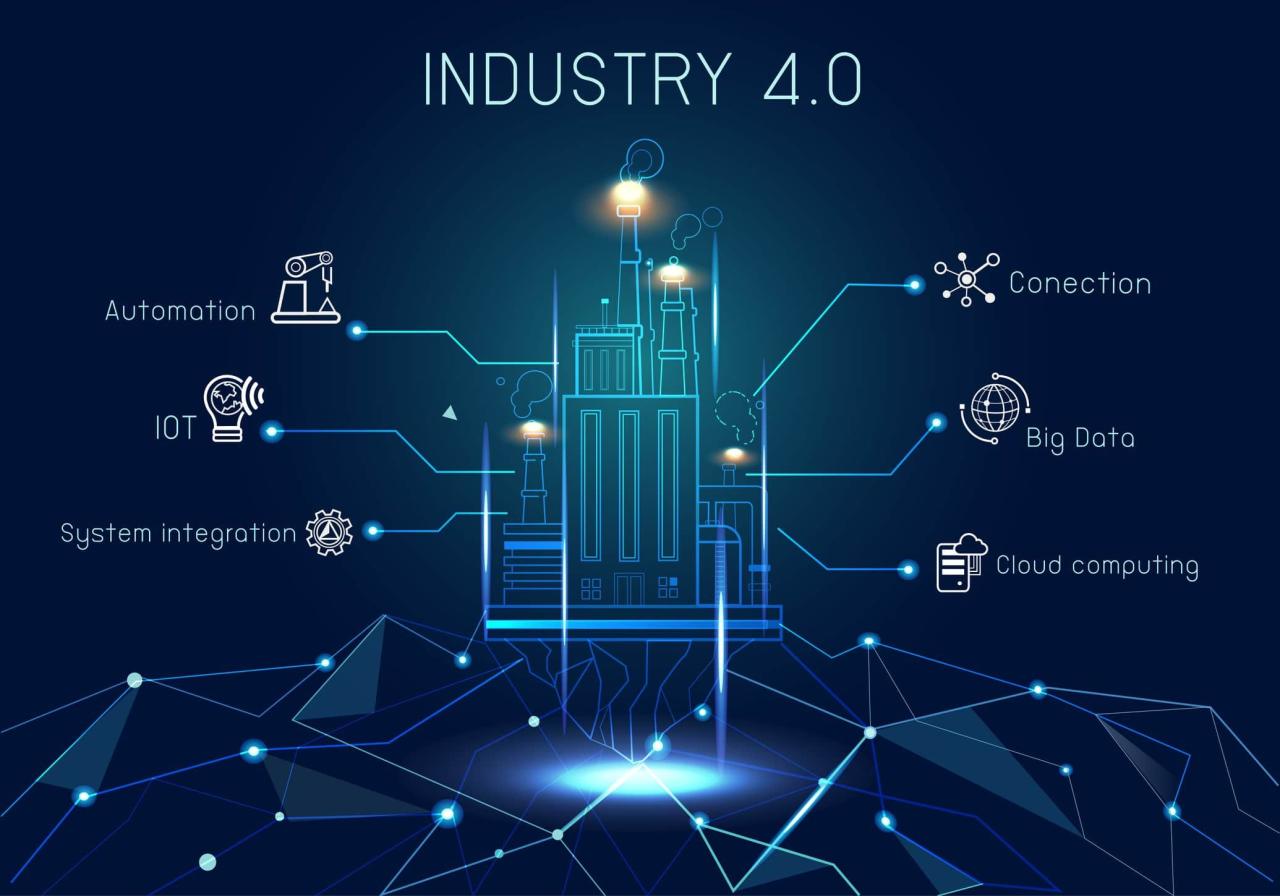
Digital transformation is no longer just an abstract vision of a distant future; it is an immediate reality that is reshaping industries, driving innovation, and redefining business models across the globe. In today’s rapidly evolving digital era, organizations are compelled to adapt to new technologies, rethink their strategies, and integrate digital solutions into every aspect of their operations. The shift toward a digital economy is spurred not only by technological advancements but also by an increasing need to respond to customer demands, improve operational efficiency, and foster a culture of continuous innovation. This comprehensive article explores the multifaceted impact of digital transformation on future industries, delves into the emerging trends and technologies driving this evolution, and provides actionable insights for businesses seeking to thrive in this era of unprecedented change.
Digital Transformation
Digital transformation encompasses the integration of digital technologies into all aspects of business operations. It involves a fundamental change in how organizations operate and deliver value to customers. Key elements include data analytics, cloud computing, artificial intelligence (AI), the Internet of Things (IoT), and blockchain technology. Each of these components contributes to creating a smarter, more connected, and agile ecosystem that propels industries forward.
Digital transformation is not a one-size-fits-all approach; it varies from organization to organization based on unique goals, capabilities, and industry requirements. It extends beyond merely digitizing existing processes. Instead, it requires a strategic rethinking of organizational culture, the adoption of innovative practices, and an agile mindset. Companies embarking on digital transformation must consider several factors, including technology, talent, strategy, and customer-centricity.
The ongoing digital revolution has fundamentally altered market dynamics. Global competition is fiercer, customer expectations are higher, and technological change occurs at breakneck speed. Businesses that fail to embrace digital transformation risk falling behind. Industries ranging from manufacturing and retail to healthcare and finance are witnessing significant disruptions, with traditional methods giving way to more efficient, data-driven, and customer-focused solutions. Digital transformation has become a critical factor for survival and success, enabling companies to remain competitive in an increasingly digital landscape.
The Role of Emerging Technologies
Central to the digital transformation process are several emerging technologies that are reshaping the way companies operate. These technologies not only enable greater efficiency but also open new avenues for innovation. Let us explore some of the pivotal technologies that are revolutionizing business:
A. Artificial Intelligence and Machine Learning
Artificial intelligence (AI) and machine learning (ML) are at the forefront of digital transformation. These technologies empower businesses with predictive analytics, automation capabilities, and insights that drive strategic decisions. From chatbots that enhance customer service to sophisticated algorithms that optimize supply chains, AI is instrumental in turning data into actionable intelligence. Companies leveraging AI can predict trends, personalize customer experiences, and streamline operations with unprecedented efficiency.
B. Cloud Computing
Cloud computing has changed the IT landscape by offering scalable, on-demand computing resources. It enables businesses to store and process vast amounts of data without the need for extensive physical infrastructure. The flexibility of the cloud supports remote work, collaborative projects, and real-time data analysis, making it a cornerstone of modern enterprise operations. Cloud platforms also provide the agility needed for rapid innovation, allowing organizations to experiment with new ideas and scale them seamlessly.
C. Internet of Things (IoT)
The IoT connects devices, sensors, and applications, forming an intricate network that continuously gathers and exchanges data. This connectivity allows businesses to monitor and control their operations remotely, optimize energy consumption, and improve product quality through real-time analytics. In sectors such as manufacturing, IoT devices can predict equipment failures before they occur, significantly reducing downtime and repair costs. Additionally, IoT is instrumental in smart cities, where it facilitates efficient management of traffic, utilities, and public services.
D. Blockchain Technology
Blockchain is a decentralized ledger technology that ensures secure, transparent transactions and data exchanges. While originally designed for cryptocurrencies, blockchain’s applications have expanded into various industries, including supply chain management, healthcare, and finance. By enhancing security and data integrity, blockchain technology fosters trust among stakeholders and eliminates intermediaries. It provides a reliable way to track provenance, verify identities, and secure digital transactions in a tamper-proof environment.
E. Big Data and Analytics
Big data analytics involves extracting insights from vast datasets that traditional data processing methods cannot handle. By leveraging tools such as predictive analytics, companies can uncover hidden trends, identify new opportunities, and mitigate risks more effectively. Big data is essential for understanding customer behavior, optimizing operational processes, and making evidence-based decisions. As businesses continue to generate more data through digital channels, the ability to analyze and act on this information becomes increasingly vital.
Impacts on Key Industries
Digital transformation is far-reaching and affects various sectors differently. Here, we examine how several key industries are being transformed by these emerging technologies:
Manufacturing and Production
The manufacturing sector is experiencing a radical overhaul due to digital transformation. Smart factories, powered by IoT, AI, and robotics, are setting new standards for efficiency and precision. Digital tools enable real-time monitoring of production processes, predictive maintenance of machinery, and seamless supply chain management. Companies that invest in digital technologies enjoy significant cost savings, reduced waste, and enhanced product quality.
Modern manufacturing increasingly relies on digital twins, which are virtual replicas of physical systems. These models simulate real-world conditions, enabling companies to test and optimize production processes without risking downtime or damaging equipment. Digital twins are used to predict system behavior, perform fault diagnosis, and optimize energy consumption, ultimately leading to more sustainable and efficient manufacturing practices.
Retail and E-commerce
The retail sector has undergone a dramatic transformation under the influence of digital technologies. E-commerce has exploded in popularity due to its convenience, extensive product offerings, and competitive pricing. Retailers are enhancing customer experiences by leveraging AI-driven personalization, which tailors product recommendations to individual consumers. Digital payment systems have streamlined transactions, making online shopping both secure and effortless.
Brick-and-mortar stores are not being left behind; many are reinventing themselves through omni-channel retail strategies. This approach integrates physical and digital shopping experiences, offering customers a seamless transition between online browsing and in-store purchasing. Advanced inventory management, powered by data analytics, allows retailers to maintain optimal stock levels and reduce waste. Retailers are also using augmented reality (AR) to create immersive shopping experiences that enable customers to virtually try on products before making a purchase decision.
Healthcare and Life Sciences
In healthcare, digital transformation is revolutionizing patient care, diagnostics, and medical research. Telemedicine has become increasingly prevalent, allowing patients to receive medical consultations remotely. Digital health records enhance the efficiency of information sharing among care providers and improve the overall coordination of treatment plans. The integration of AI in diagnostics has led to more accurate and rapid detection of diseases, while wearable devices continuously monitor patient health and provide real-time data for better treatment outcomes.
Digital transformation in healthcare also extends to research and drug development. Advanced analytics and simulation models accelerate the discovery of new treatments and therapies. Researchers utilize big data to analyze genetic information and identify potential cures for complex diseases. These advancements not only improve patient outcomes but also contribute to more efficient clinical workflows and a reduction in overall healthcare costs.
Financial Services
The financial industry has embraced digital transformation to enhance its services, streamline operations, and ensure security. Fintech innovations such as mobile banking, digital wallets, and blockchain-based transactions have reshaped the landscape of banking. AI and machine learning algorithms are deployed to detect fraudulent activities, assess credit risks, and provide personalized financial advice. The increasing adoption of biometric security measures, including fingerprint and facial recognition technologies, ensures robust authentication and reduces the likelihood of data breaches.
Digital transformation in finance is also enabling the creation of more inclusive financial services. Digital platforms empower underserved populations by providing access to credit, insurance, and investment opportunities through innovative, user-friendly interfaces. Banks and financial institutions are leveraging analytics to better understand customer needs and tailor their offerings accordingly, ultimately resulting in enhanced customer satisfaction and loyalty.
Education and Workforce Development
The digital revolution is deeply transforming education by making learning more accessible, personalized, and engaging. Digital transformation in education involves the integration of e-learning platforms, virtual classrooms, and interactive content. These tools allow students to learn at their own pace and enable teachers to deliver customized learning experiences based on real-time feedback and performance analytics.
Digital transformation is not limited to the classroom; it also influences workforce development. Organizations are increasingly investing in digital skills training to prepare employees for the demands of a modern workplace. E-learning modules, online certification courses, and virtual training sessions ensure that the workforce remains competitive in a rapidly evolving digital landscape. The incorporation of digital technologies into education and training programs is bridging the gap between traditional academic curricula and the needs of today’s job market.
Transportation and Mobility
The transportation sector is witnessing significant transformations due to the advent of digital technologies. Smart mobility solutions, such as autonomous vehicles and connected infrastructure, are poised to revolutionize urban transportation. AI-driven systems optimize traffic management, reduce congestion, and improve road safety. The integration of real-time data analytics with transportation networks ensures efficient route planning and improved fuel efficiency.
Digital transformation in the transportation industry also extends to logistics and supply chain management. Advanced tracking systems, driven by IoT sensors, provide visibility into the movement of goods across vast networks. These technologies minimize delays, reduce costs, and enhance the overall customer experience. By harnessing digital solutions, transportation companies are transforming traditional logistics into seamless, predictive, and efficient operations.
Strategies for a Successful Digital Transformation
Digital transformation is a complex and multifaceted process that requires clear strategies, strong leadership, and a willingness to experiment and innovate. Organizations that are successful in their digital journeys often adopt the following strategies:
A. Establish a Clear Vision and Objectives
Leaders must define what digital transformation means for their organization. A clear vision and set of strategic objectives provide direction and purpose. This involves identifying critical areas for improvement and aligning digital initiatives with long-term business goals.
B. Invest in the Right Technology Stack
Adopting the latest technologies is critical. Organizations should focus on building a flexible and scalable technology infrastructure that can adapt to changing market conditions. Prioritizing investments in technologies such as AI, cloud computing, and IoT is key to sustaining growth and operational efficiency.
C. Develop a Skilled Workforce
The success of digital transformation hinges on the people behind the technology. Organizations must invest in training programs, upskilling, and recruiting digital talent to drive innovative projects. Cultivating a culture of continuous learning and adaptation is essential for ensuring that employees are equipped to leverage digital tools effectively.
D. Embrace Agile Methodologies
The pace of technological change demands agility. Adopting agile methodologies allows organizations to implement changes quickly, respond to challenges promptly, and iterate on digital solutions continuously. Agile practices promote collaboration, reduce inefficiencies, and foster an environment where innovation can flourish.
E. Foster a Data-Driven Culture
Organizations must move beyond intuition and rely on data-driven insights to inform decisions. Integrating advanced analytics into everyday operations empowers companies to understand customer behaviors, predict trends, and make proactive adjustments. A data-centric approach minimizes risks and maximizes opportunities by basing strategic decisions on real-time insights.
F. Enhance Cybersecurity Measures
As digital transformation increases the volume and complexity of data, ensuring robust cybersecurity is imperative. Companies need to invest in advanced security protocols, continuous monitoring systems, and employee training to protect sensitive information from cyber threats. A secure digital environment is essential for building trust with customers and stakeholders.
G. Innovate Continuously
Successful digital transformation is not a one-time initiative but an ongoing journey. Organizations should foster an environment that encourages experimentation, embraces failure as a learning opportunity, and continuously seeks innovative solutions to challenges. By maintaining a forward-thinking mindset, companies remain adaptable and ready to harness future technological breakthroughs.
Challenges in Digital Transformation

While the benefits of digital transformation are significant, companies face numerous challenges in their digital journeys. Addressing these challenges is crucial for ensuring a smooth transition and achieving sustainable growth in the digital age.
A. Cultural Resistance to Change
One of the most common obstacles is resistance from employees accustomed to traditional processes. Overcoming this resistance requires transparent communication, effective change management, and leadership that inspires trust and confidence. Companies that prioritize cultural transformation create environments where employees are motivated to embrace new technologies and methodologies.
B. Integration of Legacy Systems
Many organizations operate with legacy systems that are incompatible with modern digital solutions. Integrating these outdated technologies with new digital platforms can be both complex and costly. A phased approach to modernization and the use of middleware solutions can help bridge the gap, enabling legacy systems to communicate effectively with modern applications.
C. Data Privacy and Regulatory Compliance
The digital era is marked by an increased focus on data privacy and stringent regulatory requirements. Companies must navigate a complex landscape of data protection laws and ensure that their digital practices comply with regulations. Implementing robust data governance frameworks and investing in technologies that enhance privacy is essential for maintaining customer trust and avoiding legal complications.
D. Budget Constraints and ROI Concerns
Digital transformation initiatives often require significant upfront investments. Organizations must balance the need for innovation with budget constraints while ensuring that investments yield measurable returns. This requires careful planning, prioritization of projects, and continuous evaluation of the impact of digital initiatives on overall business performance.
E. Cybersecurity Threats
The expansion of digital systems invariably exposes organizations to cybersecurity risks. As businesses become more interconnected, vulnerabilities increase. It is imperative to continually upgrade security measures, invest in threat detection and prevention technologies, and cultivate a culture of vigilance across the organization.
The Future of Digital Transformation
The future of digital transformation is bright and filled with immense potential. As technology continues to evolve, several trends are likely to shape the next phase of digital evolution:
A. Increased Focus on Hyper-Personalization
Advances in AI and data analytics are paving the way for hyper-personalized customer experiences. Companies will be able to offer products and services tailored to the unique preferences of each customer, resulting in higher satisfaction and loyalty.
B. Expansion of Edge Computing
Edge computing, which involves processing data closer to its source rather than in centralized cloud data centers, will become increasingly important. This technology reduces latency and enhances real-time processing capabilities, especially in applications such as IoT, autonomous vehicles, and smart cities.
C. Emergence of 5G Networks
The global rollout of 5G networks is set to transform digital communication. With higher speeds and lower latency, 5G will enable a new era of connectivity that supports more sophisticated digital applications, from remote surgeries to augmented reality experiences.
D. Integration of Advanced Robotics and Automation
The convergence of robotics with AI-driven automation will reshape industries ranging from manufacturing to healthcare. Smart robots capable of performing complex tasks will augment human capabilities and lead to greater efficiency, improved safety, and new business models.
E. Sustainable Digital Practices
As organizations become more aware of environmental concerns, sustainable digital practices will take center stage. Companies will increasingly adopt technologies that reduce their carbon footprint, optimize energy consumption, and promote environmental sustainability. This shift not only contributes to a healthier planet but also appeals to consumers who value corporate responsibility.
F. Expansion of Digital Ecosystems
Future business models will be defined by interconnected digital ecosystems where companies collaborate, share data, and co-create value. The integration of different digital platforms will facilitate seamless interactions and drive collective innovation across industries.
G. Ethical and Responsible Innovation
As digital transformation continues its rapid pace, ethical considerations will become paramount. Companies will need to address questions regarding data usage, AI bias, and the societal impacts of automation. Prioritizing responsible innovation will ensure that technological advancements benefit society as a whole.
Case Studies of Successful Digital Transformation
Numerous organizations worldwide have successfully navigated the digital transformation journey. These case studies illustrate how strategic planning and investment in emerging technologies can yield transformative results.
A. Automotive Industry: Innovating for a Smarter Future
A leading automobile manufacturer undertook a comprehensive digital transformation by integrating IoT sensors and data analytics into its production lines. This initiative resulted in predictive maintenance programs that reduced unplanned downtime by monitoring equipment health in real time. The introduction of AI-powered quality control systems also enhanced production precision, leading to significant cost savings and improved vehicle quality. By embracing digital tools, the company was able to streamline its supply chain, optimize inventory levels, and respond more effectively to market demands, setting a new benchmark for efficiency in the industry.
B. Financial Services: Redefining Customer Experiences
A major bank leveraged digital platforms to revolutionize its customer service operations by introducing a suite of mobile applications designed to simplify transactions, provide personalized financial advice, and offer remote support. Using AI-driven analytics, the bank tailored its product offerings to the specific needs and behaviors of its customers. Enhanced security protocols, including biometric authentication, ensured the safe handling of sensitive data and reduced the risk of fraud. The bank’s comprehensive digital strategy not only improved customer satisfaction but also opened new revenue streams, paving the way for a more agile and customer-focused business model.
C. Healthcare: Improving Outcomes Through Technology
A renowned healthcare provider transformed its patient care processes by adopting telemedicine, electronic health records, and AI-enhanced diagnostic tools. By integrating real-time data from wearable devices, the provider was able to monitor patient health continuously, predict potential issues before they escalated, and personalize treatment plans based on comprehensive medical histories. The result was a significant improvement in patient outcomes, reduced hospital readmission rates, and lower overall healthcare costs. This case exemplifies how digital transformation in healthcare can lead to more efficient, accessible, and patient-centric care.
Implications for Business Strategy
As digital transformation reshapes industries, business strategies must evolve to address both opportunities and challenges. Leaders must adopt a forward-thinking approach that incorporates technology into the core of their strategic planning. Here are several implications for business strategy in the digital era:
A. Customer-Centric Innovation
At the heart of digital transformation lies the need to improve customer experiences. Businesses must leverage digital tools to gather data, understand consumer behavior, and deliver personalized products and services. Innovation should be driven by a deep understanding of customer needs and real-time market dynamics.
B. Resilient and Agile Business Models
In an unpredictable digital landscape, resilience and agility are critical. Traditional business models must be reexamined in favor of models that are flexible, responsive, and able to adapt to rapid changes. Digital transformation encourages organizations to adopt agile methodologies that allow them to quickly pivot their strategies in response to emerging market trends.
C. Strategic Partnerships and Ecosystems
Collaboration plays a vital role in digital transformation. By forming strategic partnerships with technology providers, startups, and other key players, companies can accelerate their digital initiatives and expand their ecosystem. These collaborations facilitate knowledge sharing, drive innovation, and create value that is greater than the sum of individual efforts.
D. Investment in Research and Development (R&D)
To maintain a competitive edge, businesses must prioritize R&D and innovation. Investment in new technologies, process improvements, and digital capabilities will enable companies to remain at the forefront of industry evolution. The continuous development of digital tools and solutions is essential for sustainable long-term growth.
E. Environmental and Social Responsibility
Digital transformation also creates opportunities for companies to contribute positively to society and the environment. By integrating sustainable practices into their digital strategies, organizations can reduce their environmental impact and improve their social footprint. This approach not only meets regulatory requirements but also resonates with a growing base of environmentally conscious consumers.
The Societal Impact of Digital Transformation

Beyond the direct business benefits, digital transformation has far-reaching effects on society as a whole. The integration of digital technologies influences education, governance, culture, and everyday life. This impact is both transformative and complex:
A. Empowering the Workforce
Digital transformation enables a more flexible and dynamic work environment. Remote working capabilities, collaborative digital platforms, and continuous learning opportunities empower employees to achieve better work-life balance while enhancing productivity. This shift has led to a redefinition of organizational structures, where traditional hierarchies give way to more decentralized and agile teams.
B. Enhancing Public Services
Governments and public institutions are leveraging digital tools to improve service delivery. Digital transformation in the public sector has led to more efficient administrative processes, better citizen engagement, and the development of smart cities that optimize resource management and improve quality of life. E-governance initiatives are also fostering transparency, accountability, and ease of access to vital services.
C. Bridging the Digital Divide
While digital transformation offers many benefits, it also highlights existing disparities in access to technology. Governments, non-profit organizations, and businesses are increasingly focused on bridging the digital divide by promoting digital literacy, expanding broadband infrastructure, and ensuring that underserved communities have access to modern digital tools. This inclusive approach is essential for creating equal opportunities and fostering social equity.
D. Fostering Global Collaboration
Digital platforms have transcended geographical boundaries, enabling unprecedented levels of global collaboration. Researchers, entrepreneurs, and policymakers from different parts of the world can now work together seamlessly to solve complex problems and drive innovations that benefit humanity as a whole.
Conclusion
Digital transformation is a powerful catalyst for change across industries and society at large. Its far-reaching impact extends beyond mere technological upgrades; it is fundamentally altering the way businesses operate, deliver value, and engage with their stakeholders. From manufacturing and healthcare to retail and finance, digital transformation is fostering innovation, creating more agile business models, and delivering enhanced customer experiences. Companies that successfully embrace this digital revolution will be better positioned to navigate uncertainties, capitalize on emerging opportunities, and ensure sustainable growth in an increasingly competitive global market.
The journey toward digital transformation is ongoing and requires commitment, strategic investment, and an adaptive mindset. Organizations must continuously assess their digital maturity, invest in emerging technologies, and cultivate a culture that embraces change. As the future unfolds, those who are willing to innovate and evolve will lead the way in shaping industries and driving economic progress. With strategic planning, collaboration, and a focus on responsible innovation, the digital revolution promises to create a more interconnected, efficient, and equitable world.
By looking to the future and preparing today, businesses can harness the power of digital transformation to unlock new opportunities, drive sustainable growth, and build a better future for all stakeholders involved.