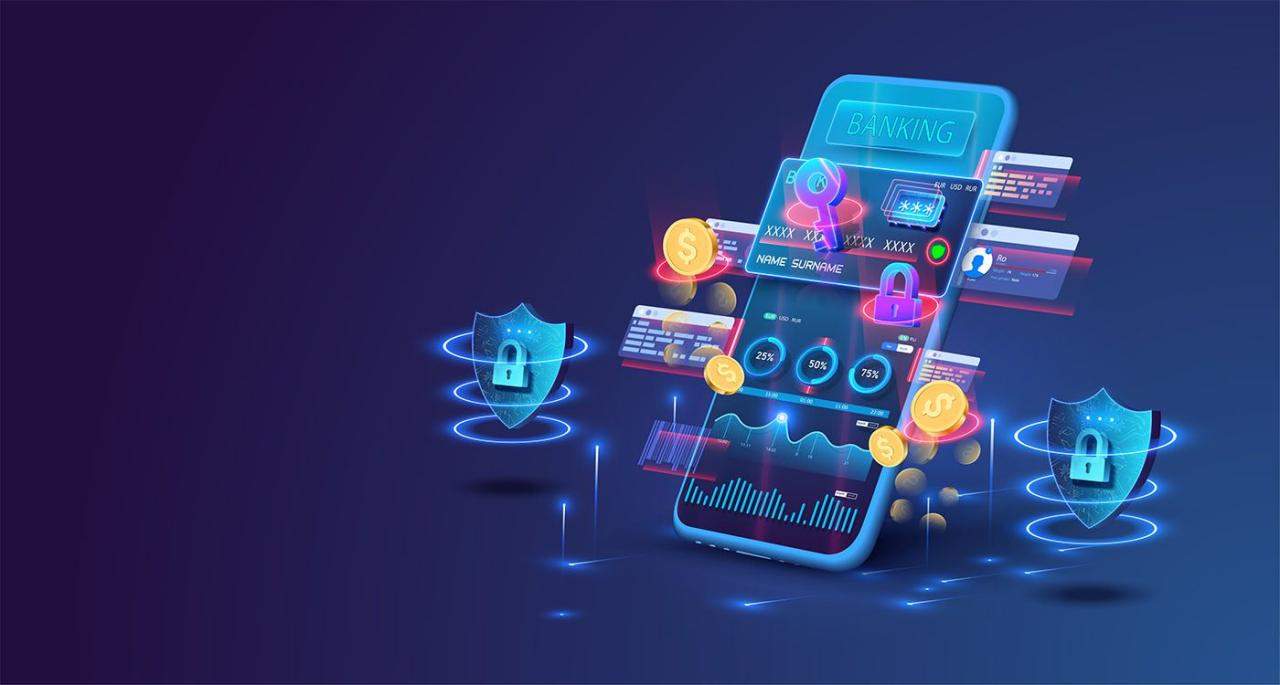
Digital wallets have emerged as one of the most transformative innovations in financial technology (fintech), reshaping the way consumers and businesses handle money. From peer-to-peer transfers to contactless point‑of‑sale payments, digital wallets offer unparalleled convenience, speed, and security. As of 2024, over 60% of smartphone users worldwide rely on at least one form of digital wallet for everyday purchases, reflecting a global shift away from cash and physical cards. In this article, we explore how digital wallets work, their various types, the benefits they bring to users and merchants, and what the future holds for this rapidly evolving technology.
What Is a Digital Wallet?
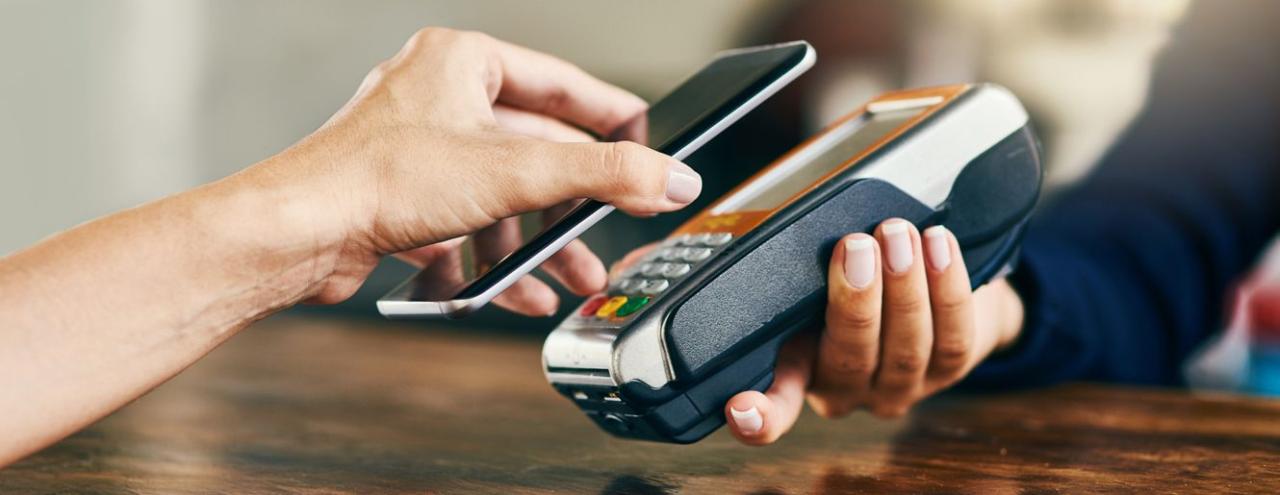
A digital wallet—also known as an e‑wallet—is a software application that securely stores users’ payment information and credentials. Instead of carrying multiple physical cards or cash, users can load credit, debit, prepaid, or even cryptocurrency balances into one digital repository. At checkout, the wallet authorizes transactions through secure channels, often using near‑field communication (NFC), QR codes, or tokenization. This streamlined approach reduces friction in payments, enabling one‑tap purchases both online and in brick‑and‑mortar stores.
Evolution and History
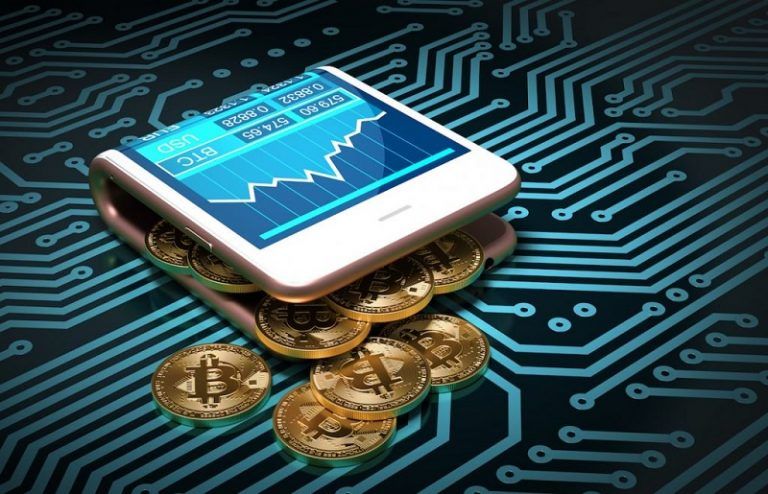
The concept of storing payment data electronically dates back to the 1990s with early online payment systems. However, the true breakthrough came with the widespread adoption of smartphones and the launch of mobile wallets such as Apple Pay (2014) and Google Pay (2015). By 2020, digital wallets had matured to include features like loyalty program integration, peer‑to‑peer transfers, bill pay, and in‑app purchases. Innovations in blockchain also paved the way for cryptocurrency wallets, broadening the scope of digital money management.
Types of Digital Wallets
Digital wallets can be classified into three main categories:
A. Closed Wallets
-
Issued by a specific merchant or service provider.
-
Can be used only within the issuer’s ecosystem (e.g., store credit).
B. Semi‑Closed Wallets -
Allow transactions at multiple merchants that have agreements with the wallet provider.
-
Cannot withdraw cash directly.
C. Open Wallets -
Offered by banks or licensed financial institutions.
-
Permit transactions at any merchant, peer‑to‑peer transfers, and ATM withdrawals.
Key Benefits of Digital Wallets
Digital wallets deliver a multitude of advantages for both consumers and businesses:
A. Convenience
-
Consolidates multiple cards and accounts into one interface.
-
Enables one‑tap or one‑scan payments, reducing checkout time.
B. Enhanced Security -
Employs tokenization to replace sensitive card data with unique tokens.
-
Supports biometric authentication (fingerprint, facial recognition).
C. Cost Savings -
Lowers transaction fees for merchants compared to traditional card processing.
-
Eliminates costs associated with printing and distributing physical cards.
D. Loyalty and Rewards Integration -
Automatically applies coupons, cashback, or reward points at checkout.
-
Encourages customer engagement and repeat purchases.
E. Accessibility -
Offers financial inclusion for unbanked or underbanked populations via mobile‑only wallets.
How Digital Wallets Simplify Financial Transactions
Digital wallets streamline every stage of the payment process:
A. Onboarding
-
Users link existing bank accounts or cards with minimal verification steps.
-
Some wallets support identity verification via mobile camera and government ID scanning.
B. Payment Initiation -
At checkout, customers simply tap their phone or scan a QR code.
-
No need to hand over physical cards, reducing potential card‑skimming risks.
C. Transaction Processing -
Tokenized data is sent to payment processors, ensuring that actual card details never traverse public networks.
-
Instant authorization enables real‑time confirmation of successful payment.
D. Record Keeping -
Wallet apps automatically log transaction histories, simplifying budgeting and expense tracking.
-
Users can export statements or sync with accounting software.
Security and Privacy Considerations
While digital wallets are inherently more secure than magnetic stripe cards, they still face potential risks:
A. Device Theft or Loss
-
Strong device‑level encryption and remote wipe features mitigate unauthorized access.
B. Phishing and Social Engineering -
Users must remain vigilant against fake payment requests and malicious apps.
C. Regulatory Compliance -
Providers adhere to PCI DSS standards and local data‑protection laws such as GDPR or CCPA.
D. Multi‑Factor Authentication (MFA) -
Combining something the user knows (PIN) with something the user has (device) and something the user is (biometrics) significantly reduces fraud.
Integration with Banking and Financial Ecosystems
Digital wallets do not operate in isolation; they integrate seamlessly with broader financial systems:
A. Open Banking APIs
-
Allow users to connect multiple bank accounts, view balances, and initiate payments directly within the wallet app.
B. Bill Payment Services -
Automatic bill scheduling and reminders for utilities, subscriptions, and loans.
C. Peer‑to‑Peer (P2P) Transfers -
Instant money transfers to friends, family, or merchants using phone numbers, email addresses, or wallet IDs.
D. Merchant Services -
In‑store POS systems compatible with wallet payments.
-
E‑commerce plugins enabling “Pay with Wallet” buttons on websites and apps.
Global Adoption Trends and Statistics
Digital wallet adoption has soared in recent years, driven by smartphone penetration and contactless payment demand:
-
In North America, over 70% of adults used a mobile wallet in 2024.
-
Asia-Pacific leads global usage, with China’s Alipay and WeChat Pay processing over $100 trillion in transactions in 2023 alone.
-
Latin America saw a 150% year‑over‑year growth in mobile wallet transactions, fueled by government initiatives for financial inclusion.
-
A recent survey found that 85% of millennials prefer digital wallets over physical cards for everyday purchases.
Best Practices for Users
To maximize benefits and minimize risks when using digital wallets, users should:
A. Enable Biometric Security
-
Activate fingerprint or facial recognition for quick yet secure access.
B. Regularly Update Apps -
Install the latest security patches and feature enhancements.
C. Monitor Account Activity -
Review transaction logs weekly and set up instant notifications for large purchases.
D. Use Trusted Networks -
Avoid public Wi‑Fi when making high‑value transactions; opt for cellular data or VPNs.
E. Diversify Payment Methods -
Keep multiple funding sources linked to avoid service disruptions if one account faces issues.
The Future of Digital Wallets
Emerging trends indicate that digital wallets will continue to evolve rapidly:
A. Super‑Apps
-
Wallets bundling ride‑hailing, food delivery, insurance, and investment services under one platform.
B. Central Bank Digital Currencies (CBDCs) -
Governments exploring digital versions of national currencies, potentially integrated directly into official wallet apps.
C. Cross‑Border Payments -
Blockchain‑based solutions reducing remittance costs and settlement times from days to seconds.
D. Augmented Reality (AR) Payments -
Visual wallet interfaces overlaying payment options on real‑world objects for immersive shopping experiences.
E. Biometric Payment Cards -
Combining physical cards with embedded fingerprint sensors that sync with wallet apps for dual‑factor authentication.
Conclusion
Digital wallets have revolutionized the financial landscape, delivering speed, security, and convenience that traditional payment methods simply cannot match. As adoption accelerates worldwide and new features—such as CBDC integration and AR payments—emerge, the role of digital wallets in everyday commerce will only grow. For consumers, mastering best practices like enabling biometrics and monitoring transactions ensures a safe experience. For businesses, integrating wallet payments means faster checkouts, lower processing fees, and access to valuable customer data. Ultimately, digital wallets are more than just a replacement for plastic cards; they represent the future of money itself.