Remote work has undergone a dramatic transformation over the past decade, emerging as a mainstream business practice and a cornerstone of modern work culture. Advancements in technology have redefined how organizations operate and enabled employees to collaborate seamlessly, regardless of geographical location. This evolution is not merely a matter of convenience; it reflects a strategic shift that has significantly boosted overall productivity and created new opportunities for businesses and individuals alike.
In this comprehensive article, we will explore the multifaceted world of remote work technologies, discussing their evolution, the array of tools that have redefined collaboration, and the emerging trends that continue to shape the future of work. Drawing from recent insights and technological developments in 2025, we will analyze how companies have harnessed these innovations to enhance efficiency, reduce overhead costs, and create a more flexible and inclusive work environment.
Evolution of Remote Work
The remote work revolution did not happen overnight. Its origins can be traced back to early computer networks and the gradual digitalization of office processes. Over the years, technological breakthroughs have paved the way for sophisticated systems that support remote operations on a global scale. In the early stages, remote work was seen as an occasional perk offered by progressive companies; today, it is an integral part of the operational structure for many industries.
Initially, limitations such as slow internet speeds and limited connectivity made remote work a challenge. However, as high-speed broadband connections became ubiquitous and mobile technologies improved, the transition became smoother. The catalyst for change in recent years has been the development of cloud computing, which has provided businesses with the flexibility to store data, manage projects, and facilitate communication in a secure online environment.
The shift was further accelerated by global events such as pandemics and economic changes, forcing businesses to re-evaluate traditional office-centric models. Employees discovered benefits like better work-life balance and reduced commuting times, while organizations observed cost savings on physical infrastructure and maintenance. Today, with more robust technology solutions available than ever before, remote work is not just a temporary solution—it is a sustainable strategy for the future of work.
Key Technologies Driving Remote Work
The modern remote work landscape is powered by several key technological innovations. These technologies not only facilitate communication and collaboration but also ensure that work continues securely and efficiently despite the physical distance between employees and employers. Some of the most influential categories include:
A. Communication and Collaboration Tools
Communication tools are the lifeblood of any remote organization. They enable instantaneous interactions, ensuring that teams remain connected and projects are driven forward with real-time input. Popular communication platforms have evolved from simple messaging services to comprehensive systems that include video conferencing, file sharing, and project management features.
Recent innovations in this area include augmented reality (AR) and virtual reality (VR) integration, which create immersive experiences for remote meetings and training sessions. These advancements are making it possible for team members to engage as if they were in the same physical room, enhancing both collaboration and learning opportunities.
The introduction of artificial intelligence (AI) in communication tools is another significant development. AI-driven platforms can now transcribe meetings, summarize discussions, and even manage scheduling conflicts, freeing up valuable time for employees to focus on high-priority tasks.
B. Cloud Computing and Remote Access
Cloud computing has been a game-changer for remote work. It has revolutionized how data is stored, accessed, and shared, making remote work not only feasible but also highly efficient. With cloud-based services, employees can access work files and applications from anywhere in the world, provided they have an internet connection. This flexibility is essential for businesses operating on a global scale.
One of the major advantages of cloud computing is the ability to scale resources according to demand. Whether a company is onboarding new employees or handling an unexpected surge in activity, cloud infrastructure can be adjusted quickly to meet the needs of the business. This on-demand scalability reduces costs and eliminates the need for significant upfront investments in hardware and software.
Furthermore, remote access solutions have become increasingly secure, ensuring that sensitive company data remains protected even when accessed from multiple devices and locations. Secure remote access protocols, including multi-factor authentication and end-to-end encryption, have been integrated into modern cloud platforms to combat rising cybersecurity threats.
C. Cybersecurity Enhancements
As remote work becomes more widespread, cybersecurity emerges as a critical priority for businesses. The proliferation of remote access means that sensitive data is often transmitted and stored outside traditional office environments, making it a prime target for cybercriminals. Therefore, robust security measures are essential to protect both data and operational integrity.
Recent technological advancements in cybersecurity have focused on developing AI-powered threat detection and response systems. These systems can analyze vast amounts of network data to identify unusual patterns of activity and respond to potential threats in real time. Additionally, encryption technologies have advanced, ensuring that communication channels, cloud storage, and even collaboration platforms remain secure.
Organizations have also invested in training and awareness programs to educate employees about safe online practices. This human element is vital because even the most sophisticated technological safeguards can be compromised by unintentional human error. Today’s cybersecurity measures encompass a layered approach, from advanced firewalls to secure endpoint solutions, ensuring that remote work can thrive in a safe and protected environment.
D. Productivity and Project Management Tools
Remote work demands efficient task management and project tracking systems. The market is now replete with tools designed to monitor progress, allocate resources, and maintain accountability. Modern project management platforms offer features such as real-time updates, progress dashboards, and integrated communication channels, which collectively streamline workflows and ensure that projects are delivered on schedule.
Many of these tools come with customizable options that allow teams to tailor their workspace to the specific needs of a project. For example, project managers can assign tasks, set deadlines, and track milestones across various stages of development. Moreover, many platforms integrate with external tools—such as calendars, file sharing services, and communication apps—to provide a comprehensive work management solution.
Adopting these technologies has significantly reduced the friction of remote collaboration. Teams can work asynchronously, contributing to projects from different time zones, yet remain informed and engaged through automated updates and collaborative dashboards. This asynchronous workflow not only improves efficiency but also accommodates the natural rhythms of individual productivity.
The Advantages of Remote Work Technologies
Remote work technologies offer several distinct advantages that extend beyond mere operational convenience. These tools can lead to both short-term gains and long-term strategic benefits for organizations.
Improved Work-Life Balance
Remote work technologies empower employees to create a balance between their professional and personal lives. Without the need for lengthy commutes or rigid office hours, employees can structure their workdays around personal commitments. This flexibility has been shown to reduce stress and improve overall job satisfaction, which in turn can lead to higher productivity and lower turnover rates.
A balanced work-life dynamic is also reflected in the ability to accommodate different working styles. Some people are more productive in the early morning, while others perform best later in the day. Remote work tools allow employees to choose their optimal working times, leading to improved performance and creativity.
Cost Savings for Businesses
One of the most immediately apparent benefits of remote work is the potential for cost reduction. By embracing digital tools and cloud-based solutions, companies can significantly reduce their overhead expenses related to office space, utilities, and other infrastructure costs. These savings can be redirected towards investing in better technology, employee development programs, or even expansion into new markets.
Increased Global Talent Pool
Remote work dissolves geographical barriers, offering companies access to a global talent pool. Organizations are no longer limited to hiring in their immediate vicinity; they can tap into diverse skill sets and perspectives from around the world. This not only fosters innovation but also creates a more resilient and adaptable workforce.
Enhanced Collaboration and Communication
The integration of sophisticated communication tools has led to richer and more effective collaboration. Teams can share ideas, update projects, and brainstorm solutions in real time, regardless of location. Enhanced communication channels reduce misunderstandings and ensure that everyone is aligned towards common objectives, thereby increasing overall efficiency.
Environmental Impact
Reduced commuting and a lower need for large office spaces contribute to a decrease in carbon footprints. Many organizations now emphasize sustainability as a core part of their business strategy, and remote work technologies play a pivotal role in this initiative. By reducing energy consumption and minimizing travel, businesses contribute to environmental conservation while also benefiting from improved public relations and employee morale.
Impact on Workforce Productivity
Technology has a direct impact on productivity. When implemented correctly, remote work tools can transform workplace efficiency in several key ways:
A. Streamlined Communication
By eliminating the delays and interruptions typical of traditional office settings, digital tools enable faster decision-making. Real-time messaging and video conferencing reduce the need for prolonged email threads, ensuring that critical decisions are made swiftly and accurately.
B. Time Management and Task Prioritization
Project management systems provide transparency and structure. These tools allow managers to prioritize tasks based on deadlines and dependencies, ensuring that critical projects are completed first. Automated reminders and updates assist employees in managing their workload effectively, reducing the likelihood of important tasks slipping through the cracks.
C. Increased Flexibility and Adaptability
Modern remote work technologies are designed to be flexible. As projects evolve and priorities shift, these systems can be easily adjusted to reflect new objectives. This flexibility is essential in today’s fast-paced business environment where adaptability is key to remaining competitive.
D. Data-Driven Decision Making
With integrated analytics and reporting tools, businesses have unprecedented access to real-time data. These insights can be used to identify bottlenecks, optimize workflows, and ultimately drive better business outcomes. Data-driven decision making ensures that resources are allocated efficiently and strategic adjustments are made promptly.
E. Employee Empowerment and Engagement
Remote work technologies empower employees by providing them with the tools necessary to take ownership of their work. Enhanced autonomy, coupled with clear metrics for success, fosters a culture of accountability and continuous improvement. When employees feel empowered, their engagement levels rise, further translating into increased productivity.
Challenges and Their Solutions

While remote work technologies have numerous advantages, implementing them is not without challenges. Organizations must proactively address potential drawbacks to fully realize the benefits of a remote workforce.
A. Maintaining Strong Company Culture
One of the biggest hurdles remote organizations face is sustaining a strong company culture. Without regular face-to-face interactions, it can be challenging to nurture the sense of belonging and camaraderie that traditional office environments naturally foster. To combat this, companies are increasingly using virtual team-building exercises, regular online town halls, and hybrid work models that occasionally bring remote employees together for in-person interactions.
B. Overcoming Communication Barriers
Despite the sophisticated tools available, remote work often presents challenges with communication clarity. Misinterpretations and delayed responses can hinder project progress. Comprehensive training in communication best practices, clear documentation of processes, and the use of multiple communication platforms can mitigate these issues. Companies are now investing in regular feedback loops and virtual collaboration workshops to continuously enhance their remote communication skills.
C. Ensuring Data Security
As remote work expands the digital attack surface, cybersecurity becomes a critical concern. Organizations must develop robust security protocols, such as routine software updates, multi-factor authentication, and employee education on cybersecurity risks. Regular security audits and the adoption of advanced threat monitoring systems are essential to prevent data breaches and safeguard sensitive information.
D. Avoiding Burnout and Managing Work-Life Balance
While remote work offers flexibility, it can also blur the boundaries between professional and personal life. The risk of employee burnout increases when work hours extend beyond normal limits. To address this, employers are emphasizing the importance of setting clear work-life boundaries, encouraging regular breaks, and promoting the use of digital wellness tools that track working hours and help plan for downtime.
E. Ensuring Seamless Integration of Systems
The digital ecosystem that supports remote work is often composed of multiple tools and platforms. Integrating these systems to ensure smooth operation and data sharing is a significant challenge. Many companies are leveraging Application Programming Interfaces (APIs) and adopting unified communication platforms that centralize various functionalities into a single dashboard, thereby reducing complexity and enhancing usability.
Future Trends in Remote Work Technologies
The landscape of remote work is still evolving, and several promising trends are expected to shape its future:
A. Artificial Intelligence and Machine Learning
AI and machine learning are anticipated to play even more significant roles in remote work technology. Future developments could include smarter scheduling algorithms that optimize meeting times across global teams, predictive analytics that forecast project delays, and advanced virtual assistants that help manage daily tasks. These innovations have the potential to further streamline workflows and enhance operational efficiency.
B. Virtual and Augmented Reality Applications
Virtual reality (VR) and augmented reality (AR) are poised to revolutionize remote interactions by offering immersive meeting experiences. Virtual offices and AR-enhanced collaboration platforms can simulate in-person work environments, making remote work feel more engaging and interactive. These technologies might also transform training and onboarding processes, allowing new employees to experience simulated work scenarios before fully integrating into the team.
C. Enhanced Connectivity and 5G Networks
As 5G networks continue to roll out globally, remote work will benefit from faster, more reliable connectivity. Improved network performance means that high-definition video conferencing, real-time data sharing, and cloud computing applications can operate more efficiently, even in remote or underdeveloped regions. This democratization of connectivity is expected to further level the playing field, allowing businesses to tap into talent from even the most remote areas.
D. Integration of Blockchain for Data Security
Blockchain technology could emerge as a critical component in securing remote work environments. With its decentralized and immutable ledger systems, blockchain could provide a new level of data security and transparency for remote communications and transactions. This technology might offer innovative solutions to verify the authenticity of digital transactions and safeguard sensitive intellectual property.
E. Increased Emphasis on Mental Health and Wellness
As the remote work environment continues to expand, organizations are placing a greater emphasis on employee mental health and well-being. Emerging technologies in digital health, such as apps that track mental wellness and platforms that offer virtual counseling, are becoming integral to remote work setups. These tools aim to ensure that employees maintain a balanced lifestyle, which is crucial for sustaining long-term productivity.
Best Practices for Leveraging Remote Work Technologies
To fully capitalize on the potential of remote work technologies, organizations need to adopt strategic best practices that foster a productive and engaging remote environment. Here are several actionable recommendations:
A. Invest in Reliable Tools
Organizations should allocate resources towards investing in high-quality communication, collaboration, and project management software. Evaluating vendor capabilities and ensuring integration across various tools is fundamental for a seamless remote operation.
B. Prioritize Cybersecurity
Establish robust cybersecurity protocols by incorporating multi-factor authentication, regular security updates, employee training, and advanced threat detection systems. A proactive approach to data security is essential to protect the organization’s digital assets.
C. Develop a Remote Work Policy
Creating a well-defined remote work policy can help set clear expectations around working hours, communication practices, data security, and performance measurement. Guidelines should be communicated clearly to all employees and regularly reviewed for relevance.
D. Foster a Collaborative Culture
Building and sustaining a collaborative remote culture requires continuous effort. Encourage regular virtual meetings, team-building activities, and open channels of communication. Leaders must model positive remote behavior and create an environment that promotes trust and collaboration.
E. Emphasize Continuous Learning and Adaptation
Technology is ever-evolving, so promoting a culture of continuous learning is important. Provide regular training sessions on new tools, best practices, and emerging trends in remote work. This adaptability not only boosts productivity but also ensures the organization remains at the forefront of technological advancements.
F. Monitor Productivity with Empathy
Implement productivity monitoring tools judiciously and pair them with a strong culture of trust. Rather than focusing solely on quantitative metrics, consider qualitative factors such as employee satisfaction, engagement, and overall well-being.
G. Encourage Work-Life Boundaries
Remind employees of the importance of taking breaks, disconnecting after work hours, and engaging in activities that promote mental and physical health. A balanced workforce is a productive workforce.
H. Solicit and Act on Feedback
Regularly seek feedback from employees regarding the remote work setup and the tools in use. Use this feedback to make improvements and tailor the digital ecosystem to better meet the evolving needs of the team.
I. Leverage Data Analytics
Utilize data analytics to track and optimize workflows, identify productivity bottlenecks, and make informed decisions regarding resource allocation. A data-driven approach can help fine-tune systems and better align them with organizational goals.
J. Plan for Hybrid Models
For organizations transitioning from traditional office setups, consider establishing a hybrid model that combines the benefits of remote work with periodic in-person collaboration. This can ease the transition, maintain strong interpersonal connections, and create an agile working environment.
Case Studies and Real-World Impact
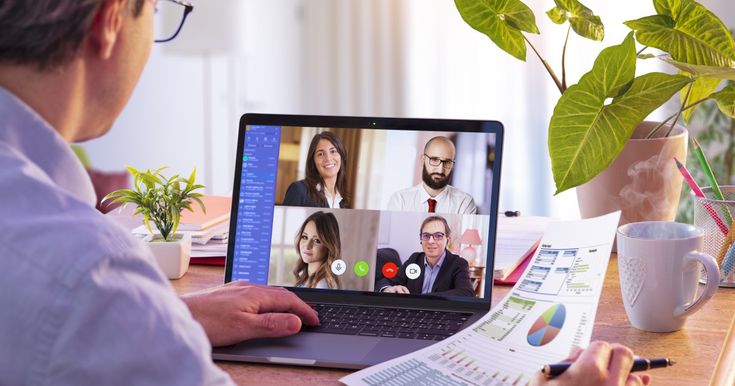
The practical application of remote work technologies can be best understood through real-world case studies. Numerous organizations across various industries have successfully integrated remote work systems, leading to measurable improvements in efficiency and overall productivity.
For instance, a multinational technology firm adopted a suite of cloud-based tools and AI-powered communication platforms. The company reported that, within the first year, project turnaround times were reduced by 30% and overall employee satisfaction improved significantly. Employees benefited not only from flexible working conditions but also from the ability to access high-quality digital training resources and real-time collaboration systems.
Similarly, a leading consulting firm implemented a comprehensive remote work strategy that included advanced cybersecurity measures and dynamic project management tools. This initiative resulted in a 25% reduction in operational costs and enabled the firm to hire top talent from different continents, thereby enriching the diversity and expertise of its teams.
These examples demonstrate that, when executed effectively, remote work technologies can drive both operational efficiency and strategic growth. The case studies further underscore that the transition to a remote or hybrid work model is not just a temporary adjustment, but a long-term investment in an agile, technologically enabled workforce.
Overcoming Barriers and Maximizing Benefits
Even as remote work technology continues to evolve and deliver positive outcomes, organizations must remain vigilant in overcoming potential barriers. Key considerations include ensuring effective leadership, building robust IT infrastructure, and continuously updating remote work policies to stay ahead of emerging challenges.
To maximize benefits, companies are also focusing on:
A. Enhanced Training Programs: Investing in comprehensive training for employees to keep pace with rapidly evolving technologies is essential. This training ensures that every team member can utilize remote work tools to their fullest potential.
B. Agile Management Strategies: Adopting agile management practices helps organizations quickly respond to changes, pivot strategies, and remain flexible in a dynamic business landscape.
C. Regular Technology Audits: Periodic audits of systems and processes can identify gaps and opportunities for improvement, ensuring that the technology ecosystem remains robust and secure.
D. Inclusive Design: Tailoring technology to support diverse needs, including accessibility for employees with disabilities, not only enhances productivity but also fosters a more inclusive work environment.
Long-Term Implications for Global Industries
The ramifications of remote work technologies extend beyond the confines of individual companies. They have begun to influence global industries, shaping how businesses think about talent acquisition, operational efficiency, and market expansion. As remote work continues to gain traction, we are likely to witness a paradigm shift in traditional business models.
Industries such as healthcare, education, and finance are embracing remote work solutions that enable professionals to provide services more efficiently and reach a broader client base. For example, telemedicine platforms have expanded access to healthcare services in remote areas, and online education tools have democratized learning opportunities across the globe. The convergence of technology and remote work not only leads to cost savings and increased productivity but also contributes significantly to societal progress by bridging geographical divides.
Conclusion
Remote work technologies are more than just a response to temporary challenges; they represent a fundamental transformation in how work is conducted in the modern era. By embracing these innovations, organizations can unlock new levels of productivity, tap into global talent, and drive sustainable growth while prioritizing employee well-being. From advanced communication platforms to robust cybersecurity measures and cloud computing solutions, the technological landscape is continuously evolving to support a more flexible and dynamic workforce.
As we look to the future, continued advancements in AI, virtual reality, blockchain, and 5G connectivity will further enhance the remote work experience. Companies that invest in the latest tools, adopt data-driven strategies, and emphasize a strong, inclusive work culture are best positioned to thrive in this rapidly changing environment. The journey towards a fully integrated remote work model is a continuous learning process—one that promises to redefine the very nature of work for generations to come.