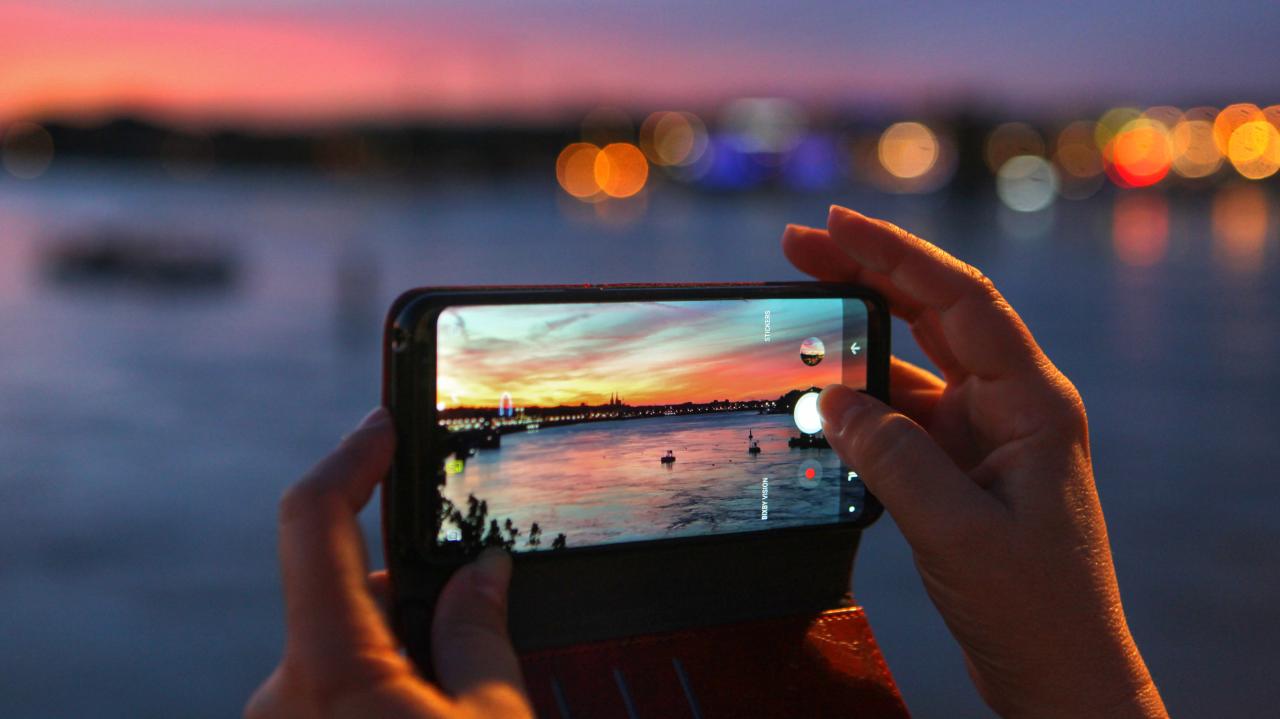
In the modern world, the most powerful camera is the one you always have with you: your smartphone. Gone are the days when a great photo required a bulky, expensive DSLR camera. Today, the technology packed into our phones has made it possible for anyone to capture stunning, professional-quality images with just a few taps. But while the hardware is more capable than ever, the true potential of your phone’s camera is locked behind a combination of hidden features, creative techniques, and a shift in how you see the world. This comprehensive guide will take you on a deep dive into the art and science of smartphone photography. We will explore the technical fundamentals, from understanding your camera’s sensors to mastering manual controls. We’ll delve into the creative aspects, from composition and lighting to editing. By the end of this article, you will have the knowledge and practical skills to move beyond simple snapshots and start creating captivating, memorable photographs that truly tell a story.
The Technical Foundations of Phone Photography
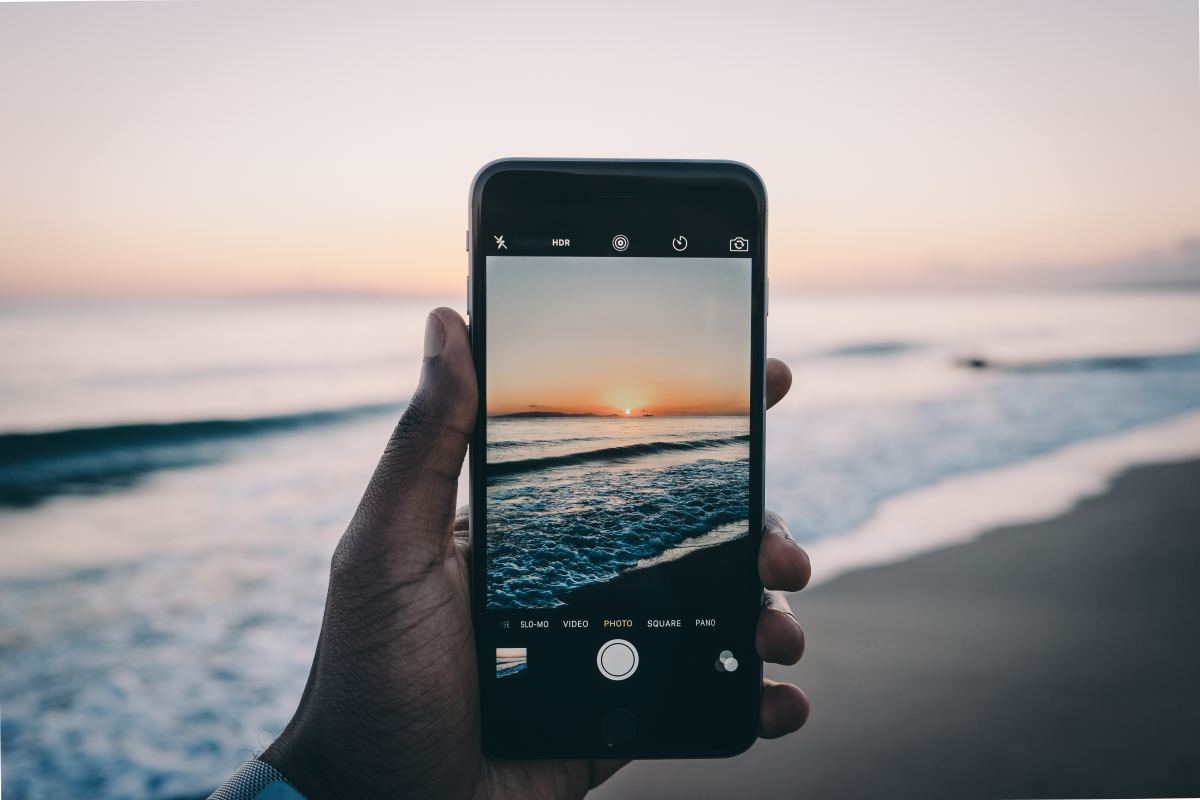
A great photographer doesn’t just point and shoot; they understand the tools they are using. While a smartphone camera is designed to be simple, a deeper understanding of its technical capabilities can make all the difference.
A. The Camera Sensor and Lens
Your phone’s camera is a sophisticated piece of technology built around a tiny sensor and a fixed-aperture lens.
- The Sensor: This is the heart of your camera. It is a chip that captures light to create an image. A larger sensor can capture more light, which results in better image quality, especially in low-light conditions. While smartphone sensors are small, they are becoming increasingly advanced, with many now using larger sensors to produce higher-quality photos.
- The Lens: Your phone’s lens is what focuses the light onto the sensor. Most modern phones now have multiple lenses (wide-angle, ultra-wide, and telephoto). Understanding when to use each lens is key to getting the perfect shot. Use the ultra-wide lens to capture expansive landscapes or group photos, the wide-angle for everyday shots, and the telephoto for a closer view of a subject without losing image quality.
B. The Power of Manual Controls
While your phone’s camera app has excellent automatic settings, unlocking its full potential means taking control of manual settings.
- Exposure: Exposure is the amount of light that hits the sensor. You can manually adjust the exposure to make your photo brighter or darker. This is particularly useful in challenging lighting situations, like a high-contrast scene with both bright sunlight and deep shadows.
- ISO: ISO determines your camera’s sensitivity to light. A higher ISO is useful in low-light conditions but can also introduce noise or grain into the image. A lower ISO is best for bright, well-lit scenes.
- Shutter Speed: Shutter speed is the length of time your camera’s shutter is open. A fast shutter speed freezes a moment in time (perfect for capturing a sports game), while a slow shutter speed creates a motion blur effect (ideal for capturing the movement of a waterfall). Many phone cameras now have a “Pro” or “Manual” mode that allows you to adjust these settings.
C. RAW and JPEG
Your phone’s camera saves photos in different file formats.
- JPEG: This is the most common format. It is a compressed file that is small and easy to share. However, because it is compressed, it loses some image data.
- RAW: This format saves all the image data that the sensor captures. It is a much larger file but gives you far more flexibility when editing. For those who are serious about photography, shooting in RAW is a must, as it allows for more advanced edits and color correction.
The Art of Capturing Great Photos
Beyond the technical aspects, great photography is an art form. It’s about how you see the world and how you frame a moment in time.
A. Composition
Composition is the arrangement of elements within your frame. The Rule of Thirds is a foundational principle of composition.
- Applying the Rule: Imagine a grid of two horizontal and two vertical lines dividing your frame into nine equal parts. Instead of placing your subject in the dead center, align it with one of the grid lines or, even better, at the intersection of two lines. This creates a more dynamic and visually interesting photo.
- Using Leading Lines: Leading lines are lines within a photo that draw the viewer’s eye toward the subject. This can be a road, a fence, a river, or even a row of trees. Using leading lines creates a sense of depth and can make a photo more engaging.
- Symmetry and Patterns: While the Rule of Thirds is often a good starting point, perfect symmetry can also be incredibly powerful. Look for natural or man-made patterns and symmetrical scenes to create a visually striking image.
B. Lighting
Light is the single most important element in photography. It can make or break a photo.
- The “Golden Hour”: The hour after sunrise and the hour before sunset are known as the “golden hour” for photographers. The light is soft, warm, and creates long, flattering shadows.
- Using Backlighting: When the light source is behind your subject, it can create a beautiful halo effect. This is great for portraits and can create a sense of drama and depth.
- Avoiding Harsh Light: Direct, midday sunlight is often the least flattering light. It can create harsh shadows and cause your subject to squint. Seek out open shade or wait for a cloudy day to get softer, more diffused light.
C. Storytelling with Photos
A great photo doesn’t just show something; it tells a story.
- Capture Emotion: Look for moments of genuine emotion, whether it’s a smile, a tear, or a look of concentration. These photos are often the most powerful and memorable.
- The “Decisive Moment”: This concept, coined by photographer Henri Cartier-Bresson, refers to the precise moment when all the elements of a scene come together to form a perfect image. It requires patience, anticipation, and a deep understanding of your subject.
- Context is Everything: Use your environment to provide context. A photo of a person is interesting, but a photo of a person in their workshop, surrounded by their tools and projects, tells a much richer story.
The Digital Darkroom

The magic of smartphone photography doesn’t end when you take the photo. Editing is a crucial step that can transform a good photo into a great one.
A. The Best Mobile Editing Apps
There are dozens of powerful editing apps available for both iOS and Android.
- Adobe Lightroom Mobile: This is the gold standard for mobile photo editing. It gives you a high degree of control over color, exposure, and other key settings. It’s perfect for those who want to do more than just apply a filter.
- Snapseed: This is a free and incredibly powerful app from Google. It has a wide range of tools, from basic adjustments to more advanced features like selective adjustments and healing brushes.
- VSCO and Instagram: These apps are great for a quick edit or for applying a consistent aesthetic to your photos. They are a good starting point for beginners who are just getting into editing.
B. Key Editing Adjustments
Focus on these key adjustments to make your photos pop.
- Cropping and Straightening: A simple crop can dramatically improve the composition of a photo. Always straighten your horizon lines to create a more professional-looking image.
- Adjusting Exposure and Contrast: Adjust the brightness, contrast, and highlights to bring out the details in your photo.
- Color Grading: This is the process of adjusting the colors in your photo to create a specific mood or aesthetic. Play with the saturation, vibrance, and warmth of your photo to create a unique look.
- Sharpening and Noise Reduction: These tools can help you get a cleaner, crisper image. Sharpening can bring out details, while noise reduction can smooth out graininess, especially in low-light photos.
The Future of Smartphone Photography
The technology is evolving at an incredible pace. The future of smartphone photography is even more exciting.
- Computational Photography: This is the use of software and AI to enhance a photo beyond what the sensor can capture. Features like Portrait Mode and Night Mode are prime examples of computational photography. The future will see even more advanced AI that can intelligently process images to produce stunning results with minimal effort.
- Larger Sensors and Better Lenses: The trend toward larger sensors and more sophisticated lenses will continue. We will see phones with more advanced zoom capabilities and even adjustable apertures that give photographers more creative control.
- The Rise of Generative AI: Generative AI is already being used to create new images from text prompts. The future of photography will see a hybrid model, where photographers can use generative AI to subtly enhance their photos, remove unwanted objects, or even create entirely new landscapes.
Conclusion
Your smartphone camera is a gateway to a world of creativity and a powerful tool for capturing the moments that matter most. Unlocking its true potential is a journey that begins with a deep understanding of the technology, a commitment to mastering the fundamentals of composition and lighting, and a willingness to explore the art of editing. By moving beyond the default settings and taking a more intentional approach, you can transform your phone from a simple snapshot device into a formidable photographic tool.
The principles and techniques outlined in this guide—from the Rule of Thirds and the use of natural light to the power of RAW editing—provide a comprehensive roadmap for that journey. The beauty of smartphone photography is its accessibility. You already have the most important tool in your pocket. The only thing you need now is a creative eye and the willingness to learn. By embracing the art and science of smartphone photography, you are not just taking pictures; you are telling your story, one frame at a time. The next great photograph is waiting to be taken, and it’s right in the palm of your hand.