Virtual reality (VR) has emerged as a transformative force in the realm of online education, ushering in a new era that redefines the learning experience. In recent years, rapid technological advancements and growing accessibility have accelerated VR integration into educational frameworks, making immersive learning not only feasible but increasingly advantageous. This article presents an in-depth analysis of VR’s impact on online education, exploring its development, benefits, challenges, and future prospects. We will investigate how VR technology is reshaping traditional pedagogical methods, enhancing student engagement, and breaking down barriers to learning across the globe.
Virtual Reality in Education
Virtual reality is a computer-generated simulation that offers users an immersive experience by engaging multiple senses, primarily sight and sound. Its application in education has evolved significantly from early experiments to sophisticated platforms that create dynamic, interactive virtual environments. Today, VR is revolutionizing online education by bridging the gap between theoretical knowledge and practical experience. This transformation is achieved by creating simulated environments that replicate real-world scenarios, providing learners with opportunities for hands-on practice without the need for physical presence in a laboratory, classroom, or work site.
Virtual reality in education represents a paradigm shift from passive consumption of information to active, experiential learning. Students can now explore historical sites, conduct virtual science experiments, or even participate in simulated surgical procedures. This enhanced interactivity fosters deeper engagement, improved retention of information, and the development of critical thinking skills that are indispensable in the 21st century.
The Evolution of Online Education and VR Technology
Over the past two decades, online education has expanded dramatically. The proliferation of the internet, improvements in broadband connectivity, and the growth of digital platforms have created an environment where knowledge can be accessed anytime, anywhere. However, traditional online education has often been criticized for its limitations in engagement and interactivity compared to in-person classroom settings. The integration of VR technology promises to address these shortcomings by providing an immersive, hands-on approach to learning.
Key milestones in the evolution of online education include the advent of learning management systems (LMS) that deliver courses online, the integration of multimedia content, and the development of interactive simulations. VR technology builds upon these innovations by introducing three-dimensional interactive environments that simulate real-life experiences. This evolution represents a significant step forward in making online education more engaging, interactive, and effective.
Recent trends have demonstrated that institutions worldwide are investing in VR research and development. For instance, universities are collaborating with tech companies to design bespoke virtual laboratories where students can run experiments in physics, chemistry, and biology without the constraints of a physical lab. Such partnerships ensure that educational content remains current and aligns with the latest technological advancements. Moreover, VR is now being integrated into virtual classrooms, where instructors can conduct lessons and provide feedback in real time, fostering a more dynamic learning environment.
How VR Enhances Online Learning
The benefits of incorporating virtual reality into online education extend far beyond mere novelty. VR technology offers concrete advantages that address longstanding challenges in remote learning. Some of the critical benefits include:
A. Increased Student Engagement
Virtual reality transforms passive learners into active participants by placing them at the center of the learning process. Instead of passively watching a lecture or reading a textbook, students immersed in VR environments can interact directly with the content. This hands-on approach not only increases engagement but also promotes deeper understanding and critical thinking.
B. Realistic Simulation of Real-World Scenarios
One of the most significant advantages of VR is its ability to replicate real-world settings accurately. In fields such as medicine, engineering, and environmental science, practical experience is crucial. With VR, students can practice complex procedures or simulate dangerous scenarios in a controlled, risk-free environment. For example, medical students can perform virtual surgeries, and engineers can test prototypes under simulated stress conditions.
C. Personalized and Adaptive Learning Environments
VR platforms can be designed to adapt to individual learning styles and paces. Using artificial intelligence and machine learning, educational VR applications can track a student’s progress and adjust the difficulty of tasks accordingly. This personalized approach ensures that learners receive the support they need while also challenging them appropriately to foster growth and development.
D. Enhanced Accessibility and Inclusivity
Traditional education methods may not address the diverse needs of all learners, including those with disabilities or those living in remote regions. VR opens up new possibilities for inclusive education by providing customized, accessible content that can be tailored to individual needs. For example, visually impaired students can benefit from haptic feedback, while interactive simulations can cater to various learning styles, making education more accessible to all.
The Role of VR in Bridging Educational Gaps
VR holds significant promise for overcoming educational disparities that have long hindered access to quality instruction. The integration of VR in online education can bridge geographical, social, and economic gaps through several mechanisms:
A. Democratization of Education
Virtual reality helps level the playing field by providing access to top-tier educational resources regardless of geographical location. Students from underprivileged or remote areas can now experience lectures from world-renowned professors, explore well-equipped virtual laboratories, and partake in simulations that would otherwise be inaccessible to them.
B. Facilitating Global Collaboration
Collaborative learning is an essential aspect of education. VR platforms allow students from different parts of the world to interact in a shared, virtual space. This not only promotes cultural exchange but also mirrors the globalized nature of contemporary work environments. Students learn to collaborate across linguistic and cultural barriers, preparing them for the demands of an interconnected world.
C. Reducing Cost and Resource Constraints
Physical educational facilities, such as laboratories and libraries, require significant investments. VR offers an economical alternative by digitizing these experiences. Institutions can invest in VR technology once and scale the educational content to reach thousands of students at minimal additional cost. This efficiency is particularly beneficial in regions where financial resources for education are scarce.
D. Continuous Learning and Skill Development
In today’s rapidly evolving job market, continuous learning and skill development are imperative. VR-powered education platforms can offer modular, up-to-date training that helps professionals stay current with industry trends. Whether it is vocational training, professional development courses, or technical certifications, VR ensures that learners acquire relevant, cutting-edge skills through engaging, simulated environments.
Innovative Applications of VR in Various Educational Fields
The applications of VR in education are as diverse as the subjects taught. With the technology evolving at a breakneck pace, educators and institutions are experimenting with innovative applications across multiple disciplines:
A. STEM Education
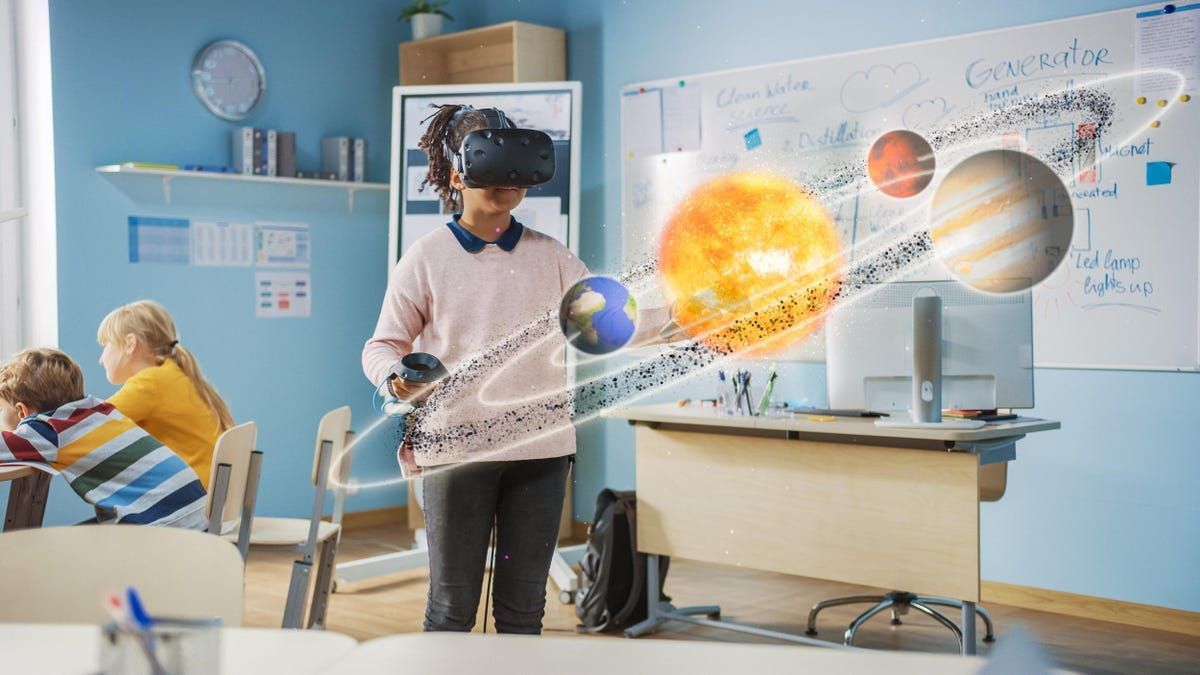
Science, Technology, Engineering, and Mathematics (STEM) subjects are particularly well-suited for VR integration. VR offers interactive simulations that allow students to visualize complex scientific phenomena, conduct experiments, and test hypotheses in real time. For example, students studying physics can explore gravity, electromagnetism, and quantum mechanics through immersive simulations, leading to a better conceptual grasp of the subject matter.
B. Medical and Healthcare Training
The medical field has been one of the earliest adopters of VR technology. VR simulators enable medical students and professionals to practice surgeries, patient diagnostics, and emergency procedures without the risk associated with real-life operations. This safe, repeatable practice environment ensures that practitioners can refine their skills and reduce the margin of error when confronted with actual medical scenarios.
C. History and Cultural Studies
Virtual reality transforms history lessons into immersive journeys through time and space. Students can virtually step into ancient civilizations, explore historical landmarks, and participate in reenactments that bring historical events to life. This contextual learning deepens their understanding of cultural heritage and historical dynamics, making the study of history both engaging and memorable.
D. Vocational and Technical Training
For vocational training, VR provides a platform where learners can practice and perfect their skills in a controlled, simulated work environment. Whether it is automobile repair, welding, or construction, VR training modules offer realistic simulations that enhance practical competency. The technology not only builds confidence in performing technical tasks but also ensures that safety protocols are rigorously adhered to during training exercises.
E. Language and Communication
Language learning benefits immensely from VR environments that simulate real-life contexts. Learners can practice conversing in foreign languages by interacting with virtual characters or participating in immersive scenarios that mimic everyday situations. This method provides immediate feedback and encourages learners to actively engage with the language, thus accelerating the acquisition process.
Bridging the Gap Between Theory and Practice
A major challenge in traditional education is the disconnection between theory and practice. Educational institutions often provide theoretical knowledge without sufficient opportunities for applying that knowledge in practical scenarios. Virtual reality addresses this gap by offering interactive simulations where students can apply what they have learned in a lifelike context. This bridge between theory and practice is particularly evident in fields such as engineering and medicine, where hands-on experience is crucial.
Advantages of Practical VR Simulations:
A. Risk-Free Environment: VR allows students to experiment and learn from their mistakes without the inherent risks of real-world practice.
B. Immediate Feedback: Learners can receive real-time feedback on their performance, helping them to quickly adapt and improve their techniques.
C. Repetitive Practice: VR environments enable repetitive practice until proficiency is achieved, which is often challenging in traditional classrooms due to resource constraints.
D. Scalable Training Modules: Once a VR module is developed, it can be scaled to train large numbers of students simultaneously, making it an efficient tool for mass education.
Overcoming Challenges in VR Implementation
While the potential of VR in online education is immense, there are still challenges to its widespread adoption. To maximize its benefits, educators, institutions, and technology developers must work in tandem to overcome several hurdles.
A. High Initial Costs and Resource Allocation
One of the most significant barriers to VR adoption is the high initial cost involved in acquiring the necessary hardware and developing high-quality content. Educational institutions, especially those with limited budgets, may find it challenging to justify the expense. However, as technology matures and becomes more mainstream, these costs are gradually decreasing. Additionally, partnerships between academic institutions and technology companies can help spread the financial burden, making VR solutions more accessible.
B. Technical and Infrastructure Limitations
Efficient use of VR in online education requires robust technological infrastructure, including high-speed internet and advanced computing power. In regions with limited access to these resources, integrating VR can be challenging. To address this issue, governments and private sectors need to invest in infrastructure development while also exploring low-bandwidth VR solutions that can function effectively even in constrained digital environments.
C. Educator Training and Content Development
Implementing VR in an educational setting requires that teachers and instructors are proficient in using the technology. Many educators may need specialized training to design and implement virtual classrooms effectively. Moreover, content development for VR requires a multidisciplinary approach involving subject matter experts, technologists, and instructional designers. Creating content that is both pedagogically sound and technically robust is essential for a successful VR education model.
D. Student Adaptation and Accessibility Concerns
Not all students are equally familiar or comfortable with advanced technology. Some may experience a steep learning curve in adapting to VR environments, while others might suffer from motion sickness or discomfort when using headsets for extended periods. Addressing these accessibility concerns is critical for ensuring that VR benefits all students. Developers are continually working on optimizing VR interfaces to reduce these issues, and educational institutions can introduce acclimatization sessions to help students adjust gradually to the immersive environment.
E. Ethical and Data Privacy Considerations
As VR platforms collect and process vast amounts of data, ensuring user privacy and data security becomes paramount. Institutions must establish robust ethical guidelines and security protocols to protect sensitive information. This includes complying with international data privacy laws and employing state-of-the-art encryption methods to safeguard student data.
Future Prospects and Innovations in VR Education
The future of VR in online education is laden with potential and is likely to witness transformative innovations in the coming years. As technology advances, we can expect several trends to shape the trajectory of VR-enabled education:
A. Integration with Artificial Intelligence and Big Data
The synergy between VR, artificial intelligence (AI), and big data analytics is set to revolutionize personalized learning. AI algorithms can monitor student performance within VR environments, providing tailored learning experiences based on individual progress. Big data analytics can further enhance these insights by identifying patterns and trends that inform curriculum development and teaching strategies.
B. Expansion of Cross-Disciplinary Learning
In the future, VR is expected to facilitate more cross-disciplinary studies, breaking down silos between fields. Students may engage in interdisciplinary projects that combine science, art, and technology in immersive virtual labs. This holistic approach to learning will nurture creativity, critical thinking, and problem-solving skills essential for tackling complex real-world challenges.
C. Enhanced Collaboration through Virtual Campuses
Virtual campuses that mimic real-life university settings are becoming increasingly realistic. These campuses offer features such as virtual lecture halls, interactive study groups, and digital recreation spaces, fostering a sense of community among students who are geographically dispersed. As these virtual spaces evolve, they promise to create new opportunities for international collaboration and lifelong learning.
D. Mobile and Low-Cost VR Solutions
The development of more affordable and mobile-compatible VR devices is likely to drive the democratization of immersive education. As technology companies invest in developing low-cost headsets and mobile VR platforms, even schools in economically challenged regions will be able to benefit from the immersive learning experience that VR offers. This democratization will ensure that the benefits of VR in education are extended to a global audience.
E. Integration of Augmented Reality (AR) and Mixed Reality (MR)
The convergence of VR with augmented reality (AR) and mixed reality (MR) will create even more dynamic and interactive learning environments. AR overlays digital information on the real world, while MR blends virtual objects with the physical environment. The integration of these technologies can enhance VR educational modules, offering learners a multi-dimensional educational experience that is both immersive and contextually relevant.
Case Studies: Successful Implementation of VR in Education
Several educational institutions and organizations have pioneered VR implementations that demonstrate its transformative potential. These case studies highlight best practices and provide insights into the strategies that drive success.
A. Medical Simulations and Virtual Clinics
Leading medical schools have integrated VR to simulate surgeries and clinical procedures, allowing students to practice in controlled, risk-free environments. In these virtual clinics, students learn to diagnose and treat patients, refine their technical skills, and work collaboratively in emergency simulations. The immersive experience has been shown to boost confidence and competence, significantly reducing the learning curve in medical training.
B. Historical Immersion Programs
History departments at various universities now offer virtual field trips that transport students to ancient civilizations, battlefields, and museums. Through high-fidelity simulations, learners can engage with historically accurate reconstructions of architectural wonders and cultural landmarks, deepening their understanding of historical contexts and societal evolution. This interactive approach reinvigorates the study of history and encourages students to explore global cultural narratives.
C. Engineering and Technical Workshops
Engineering schools are leveraging VR to create virtual workshops where students can design, test, and iterate on prototypes. These workshops provide a platform for students to engage in practical problem-solving and innovation without the physical constraints of traditional labs. By simulating different environmental conditions, these virtual labs allow for robust testing and refinement, leading to improved designs and engineering solutions.
Strategies for Enhancing VR Integration in Online Education
To maximize the benefits of VR in education, institutions must adopt comprehensive strategies that address both technological and pedagogical dimensions. Effective integration of VR entails coordinated efforts across several key areas:
A. Investment in Infrastructure and Technology
Educational institutions need to allocate resources for modernizing digital infrastructure to support high-quality VR content. This includes upgrading internet connectivity, acquiring state-of-the-art VR headsets, and investing in robust servers and cloud solutions that can handle large-scale simulations.
B. Professional Development for Educators
Ongoing training programs are essential for educators to become proficient in using VR tools and developing immersive content. Workshops, certifications, and collaborative projects with technology experts can empower instructors to leverage VR effectively in their curricula.
C. Curriculum Redesign and Innovation
The integration of VR requires a rethinking of traditional curricula to incorporate interactive, experiential learning components. Institutions should invest in curriculum redesign initiatives that blend theoretical instruction with immersive practice sessions. This innovative approach will prepare students to tackle real-world challenges with a practical mindset.
D. Strengthening Partnerships with Industry Leaders
Collaborations with technology firms and VR developers can accelerate the creation of cutting-edge educational content. These partnerships not only provide financial and technical support but also ensure that educational modules remain aligned with industry standards and future technological trends.
E. Continuous Assessment and Feedback Mechanisms
Implementing robust assessment frameworks that incorporate real-time feedback within VR environments can help educators track student progress accurately. Such mechanisms will enable continuous improvement of the VR modules, ensuring that the learning experience remains adaptive and effective.
The Societal Impact of VR in Online Education
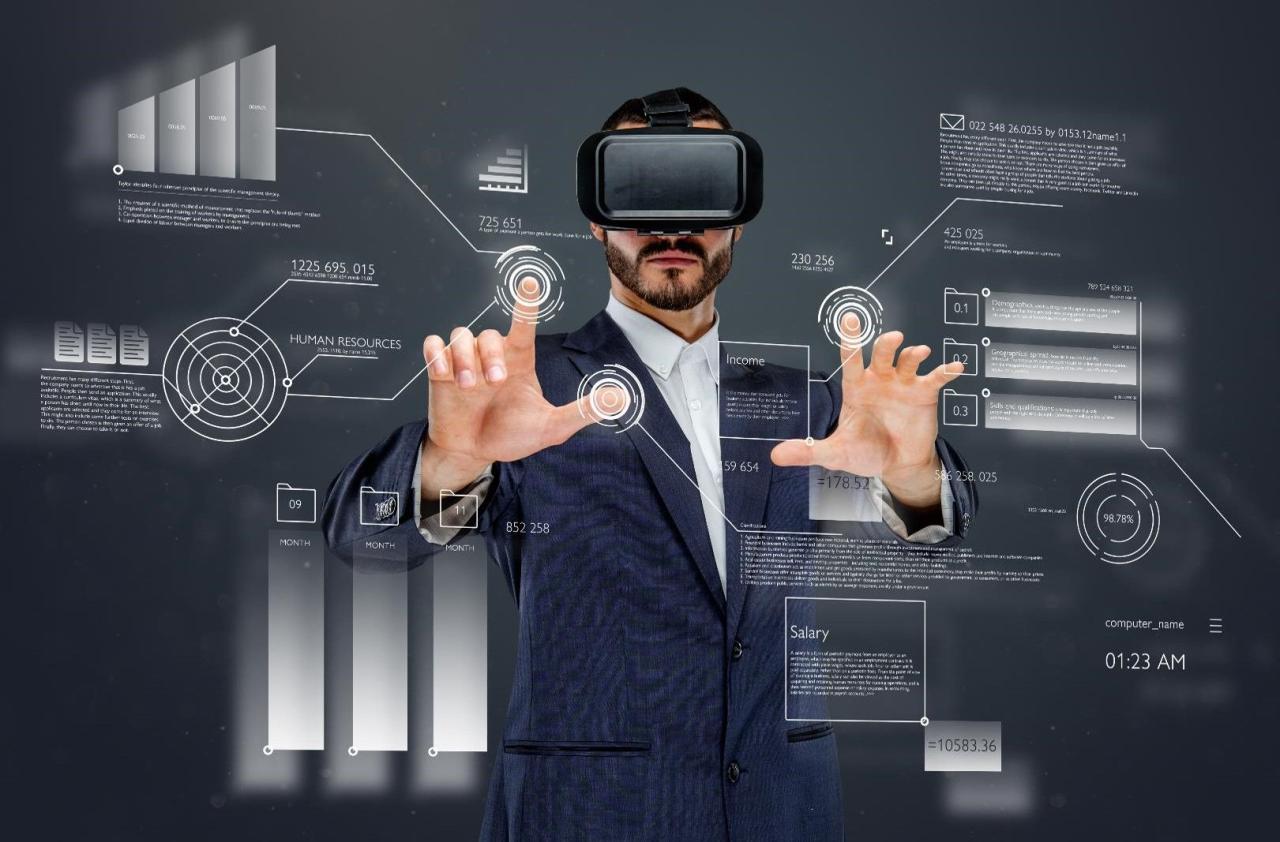
The widespread adoption of VR in online education has far-reaching implications beyond the classroom. By democratizing access to quality education and fostering an innovative learning environment, VR contributes to broader social and economic progress. Several key societal impacts include:
A. Promoting Lifelong Learning and Skill Development
VR-enabled education encourages a culture of continuous learning, enabling individuals to update their skills throughout their careers. This adaptability is critical in an ever-changing job market, where the ability to learn and evolve is highly valued.
B. Reducing Educational Inequalities
Virtual learning environments powered by VR technology help reduce disparities in education by offering uniform, high-quality instruction to a global student body. This equal access to educational resources can lead to a more equitable society, where individuals from diverse backgrounds can achieve their full potential.
C. Driving Economic Growth Through Innovation
As educational institutions integrate VR, they contribute to the formation of a skilled workforce that is adept at using cutting-edge technologies. This, in turn, fuels innovation across industries, driving economic growth and societal advancement.
D. Enhancing Global Competitiveness
Countries that invest in VR education are better positioned to compete in the global knowledge economy. By nurturing a generation of technologically proficient and creatively inclined individuals, these nations can enhance their global competitiveness in science, technology, engineering, and mathematics (STEM) fields.
Addressing Future Challenges and Embracing Change
Despite the overwhelming benefits, the ongoing adoption of VR in online education is not without its challenges. Continuous investment in research and development, as well as proactive policy-making, is necessary to ensure that VR technology evolves in ways that are ethically sound, economically viable, and pedagogically effective. Key areas for future focus include:
A. Sustainability and Environmental Considerations
As VR adoption grows, so does the need to manage its environmental footprint. Developing energy-efficient VR devices and sustainable production practices will be essential to mitigate the ecological impact of widespread VR implementation.
B. Standardization and Regulatory Oversight
The rapid pace of VR innovation requires that educational standards and regulatory frameworks keep pace. Establishing consistent standards for VR content, data privacy, and user safety will help build trust among educators, students, and stakeholders.
C. Bridging the Digital Divide
While VR has the potential to democratize education, ensuring equitable access remains a challenge. Addressing infrastructural disparities, especially in developing regions, is crucial. Public and private sector collaboration can help bridge this digital divide, ensuring that the benefits of immersive learning are available to all.
Conclusion
The integration of virtual reality into online education marks a pivotal moment in the evolution of teaching and learning. From enhancing student engagement and bridging the gap between theory and practice to fostering global collaboration and democratizing access, the benefits of VR are profound and far-reaching. As technology continues to advance, educational institutions must embrace these innovations and invest in the necessary infrastructure, training, and partnerships to fully realize VR’s potential. The future of online education is set to be immersive, interactive, and inclusive, driven by a commitment to continuous improvement and adaptation. With concerted effort and visionary leadership, VR will not only revolutionize education but also empower learners worldwide to achieve greater success in an increasingly digital world.
By exploring new frontiers in immersive learning, educators and institutions are laying the foundation for a future where education transcends traditional boundaries. Virtual reality offers a glimpse into a world where every student, irrespective of their background or location, can engage with high-quality educational content. This dynamic shift promises to foster a culture of innovation, critical thinking, and lifelong learning—cornerstones of success in the digital age.
As we look forward, it is imperative that all stakeholders—educators, students, technologists, and policymakers—collaborate to overcome challenges and harness the full potential of virtual reality in education. Embracing VR is not merely a technological upgrade; it is a profound transformation that redefines how we learn, interact, and thrive in a rapidly changing world.